
Berita
Polisi Ungkap Peredaran Narkoba, Ratusan Butir Pil Trihexyphenidil dan Tersangka Berhasil Diamankan


Kota Pasuruan – Satuan Resnarkoba Polres Pasuruan Kota Polda Jatim kembali berhasil mengungkap kasus Narkoba jenis pil trihexyphenidil dengan tersangka inisial RM warga Kecamatan Panggungrejo Kota Pasuruan. Selasa (10/1/2023).
Barang Bukti (BB) yang berhasil disita oleh petugas yaitu 1 (satu) bungkus plastik klip kecil yang didalamnya berisi 100 (seratus) butir pil pipih warna putih yang salah satu sisinya berlogo “Y” yang di tandai dengan huruf B.
Selain itu juga disita Polisi, 1 (satu) bungkus plastik klip kecil yang didalamnya berisi 99 (sembilan puluh sembilan) butir pil pipih warna putih yang salah satu sisinya berlogo “Y” yang di tandai dengan huruf C dan 1 (satu) botol plastik yang didalamnya berisi 705 (tujuh ratus lima) butir pil pipih warna putih yang salah satu sisinya berlogo “Y” yang di tandai dengan huruf D.
Kapolres Pasuruan Kota AKBP Dr. Raden Muhammad Jauhari S.H S.I.K, M.Si. melalui Kasat Narkoba Polres Pasuruan Kota AKP Nanang SH mengatakan semua barang bukti itu diduga obat keras jenis Pil Tryhexypenidyl.
“Total jumlah barang bukti 904 butir jenis pil Tryhexypenidyl yang berhasil diamankan oleh Sat Resnarkoba Polres Pasuruan Kota,”kata AKP Nanang SH di Polres Pasuruan Kota,Kamis (12/1).
Sementara itu kata AKP Nanang SH, tersangka RM ditangkap setelah hasil interogasi oleh petugas Kepolisian kepada tersangka DP yang berhasil ditangkap sebelumnya.
“DP saat di interogasi mengakui kalau Narkoba jenis pil tersebut didapat dengan cara membeli kepada seseorang yang berinisial RM.”pungkas AKP Nanang.
Untuk mempertanggung jawabkan perbuatanya, saat ini tersangka dijerat Pasal 197 atau Pasal 196 UU No. 36 Tahun 2009 Tentang Kesehatan dengan ancaman penjara paling lama 15 tahun. (vt).

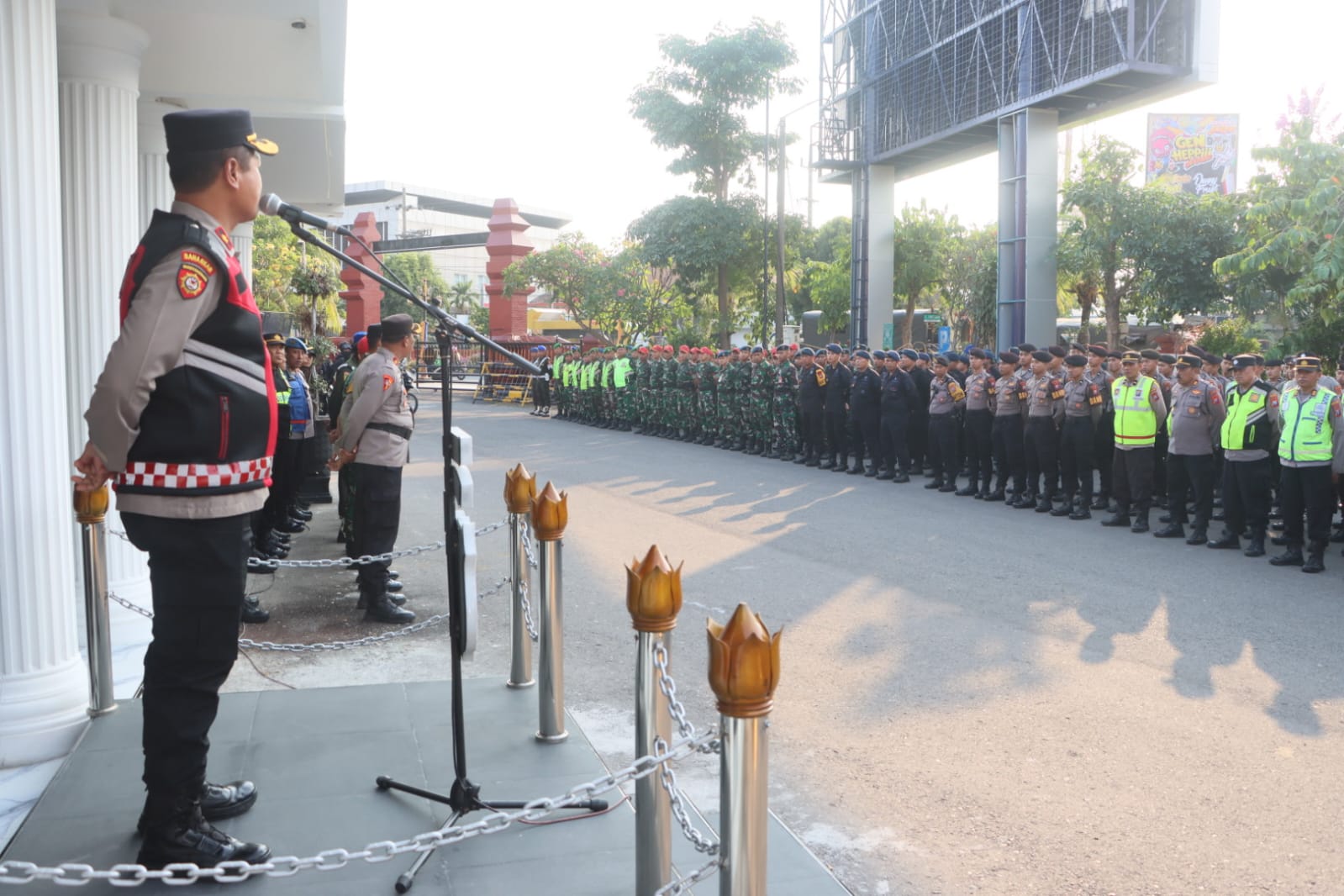
*KOTA MADIUN* – Sebanyak 983 personel gabungan Polres Madiun Kota Polda Jatim diterjunkan untuk pengamanan Suran Agung Persaudaraan Setia Hati Winongo Tunas Muda (PSHWTM) yang berlangsung di Kota Madiun, Minggu (28/6/2026).
Kapolres Madiun Kota AKBP Wiwin Junianto, S.I.K., melalui Wakapolres, Kompol Bambang Sujarwo mengatakan, Ratusan personel gabungan tersebut ditempatkan di beberapa titik strategis mulai dari pengamanan jalur hingga lokasi kegiatan.
“Penebalan personel untuk pengamanan ini untuk memastikan kegiatan Suran Agung berjalan aman dan kondusif,” kata Kompol Bambang.
Masih kata Kompol Bambang, dalam pengamanan ini Polres Madiun Kota Polda Jatim juga berkolaborasi dengan instansi lintas sektor termasuk pengamanan dari internal perguruan silat.
“Pengamanan kami laksanakan secara terbuka dan tertutup berkolaborasi dengan instansi lintas sektor dan PAM Swakarsa,” jelas Kompol Bambang.
Wakapolres Madiun Kota juga mengingatkan seluruh peserta Suran Agung agar mematuhi maklumat yang telah disepakati bersama demi menjaga situasi keamanan, ketertiban, dan kelancaran kegiatan.
Selama kegiatan berlangsung, kepolisian akan menerapkan rekayasa arus lalu lintas di Jalan Ring Road Barat yang difungsikan sebagai lokasi parkir peserta.
Masyarakat diimbau untuk sementara waktu menghindari jalur tersebut dan menggunakan rute alternatif.
“Kami berharap seluruh rangkaian kegiatan Suran Agung PSHWTM tahun ini dapat berlangsung dengan aman, tertib, lancar, dan kondusif,” pungkasnya.(*)
Berita
Haidar Alwi: Kepercayaan Publik Berdasarkan Survei Litbang Kompas Jadi Hadiah Terbaik bagi Polri di Hari Bhayangkara

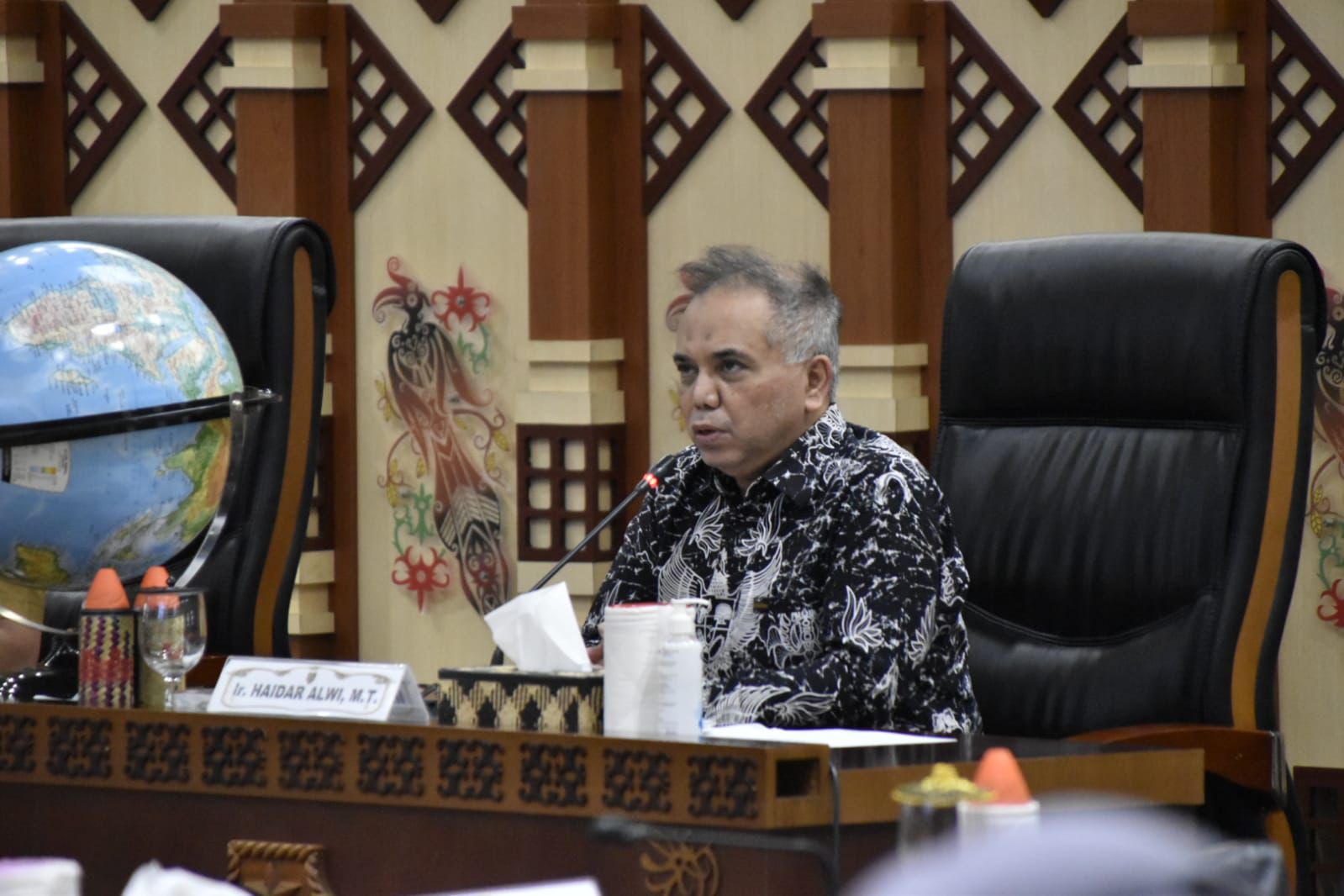
Jakarta – Hasil Survei Litbang Kompas yang dilaksanakan pada 9–18 April 2026 menunjukkan meningkatnya optimisme masyarakat terhadap Kepolisian Negara Republik Indonesia (Polri). Survei yang melibatkan 1.200 responden melalui wawancara tatap muka di 38 provinsi itu mencatat sebanyak 82,4 persen masyarakat meyakini kinerja Polri akan semakin baik di masa mendatang, meningkat dibandingkan tahun 2025 yang berada di angka 76,2 persen.
Selain tingkat keyakinan publik yang meningkat, survei tersebut juga menunjukkan citra kelembagaan Polri naik menjadi 71,5 persen. Indeks profesionalitas pelayanan turut mengalami peningkatan dari 7,76 menjadi 8,37, sementara 80 persen responden menilai fasilitas pelayanan di kantor polisi kini semakin nyaman.
Menanggapi hasil survei tersebut, Presiden Haidar Alwi Care dan Haidar Alwi Institute sekaligus Dewan Pembina Ikatan Alumni ITB, Ir. R. Haidar Alwi, MT, menyebut capaian tersebut sebagai hadiah paling berharga bagi Polri menjelang peringatan Hari Bhayangkara 2026. Menurutnya, kepercayaan masyarakat merupakan bentuk pengakuan yang lahir dari pengalaman nyata masyarakat dalam menerima pelayanan kepolisian.
“Survei Litbang Kompas yang mencatat tingkat keyakinan publik terhadap Polri mencapai 82,4 persen merupakan kabar yang sangat menggembirakan.” Kata Haidar.
Ia menilai hasil yang direkam Litbang Kompas menunjukkan bahwa proses transformasi di tubuh Polri berjalan ke arah yang positif. Menurutnya, meningkatnya kepercayaan publik tidak terlepas dari kepemimpinan yang mampu mendorong perubahan secara menyeluruh, baik melalui reformasi pelayanan maupun penguatan budaya kerja yang semakin profesional.
Haidar Alwi juga menyampaikan apresiasi kepada Kapolri Jenderal Polisi Listyo Sigit Prabowo atas capaian tersebut. Ia menilai kepemimpinan Jenderal Listyo Sigit berhasil membawa Polri menjadi institusi yang semakin modern, humanis, profesional, dan adaptif terhadap perkembangan zaman.
Menurutnya, meningkatnya keyakinan publik menjadi 82,4 persen, naiknya citra kelembagaan menjadi 71,5 persen, serta bertambahnya indeks profesionalitas pelayanan merupakan bukti bahwa transformasi Polri tidak hanya terlihat pada aspek kebijakan, tetapi juga telah dirasakan langsung oleh masyarakat.
Ia menambahkan, modal kepercayaan publik yang semakin kuat menjadi fondasi penting bagi Polri untuk terus memperkuat penegakan hukum, meningkatkan kualitas pelayanan publik, serta menjaga stabilitas nasional sebagai salah satu prasyarat utama pembangunan Indonesia.
“Semoga Polri terus menjadi institusi yang dicintai rakyat, profesional dalam bertugas, dan semakin kokoh mengawal Indonesia menuju masa depan yang lebih aman dan maju,” pungkas Haidar Alwi.
Berita
Rano Alfath: Peningkatan Kepercayaan Publik Jadi Modal Polri Perkuat Profesionalisme dan Reformasi
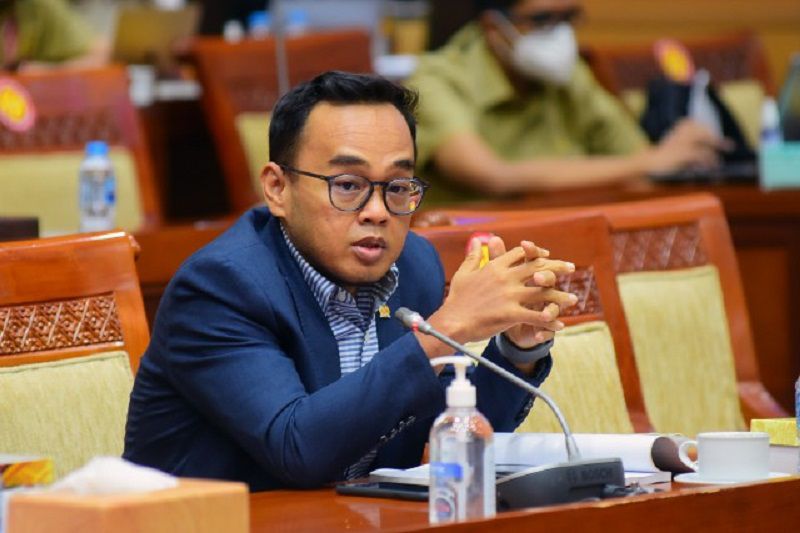
Jakarta – Wakil Ketua Komisi III DPR RI, Moh Rano Alfath, memberikan apresiasi atas meningkatnya tingkat kepercayaan dan kepuasan masyarakat terhadap kinerja Polri sebagaimana tergambar dalam hasil Survei Litbang Kompas. Menurutnya, capaian tersebut menunjukkan masyarakat mulai merasakan perubahan positif dalam berbagai aspek pelayanan dan penegakan hukum yang dilakukan institusi kepolisian.
Rano menilai kepercayaan publik tumbuh karena adanya perbaikan yang dirasakan secara langsung, mulai dari pelayanan kepada masyarakat, penegakan hukum, kehadiran aparat di lapangan, hingga komitmen Polri dalam menjaga keamanan dan ketertiban.
“Capaian ini patut diapresiasi. Kepercayaan publik tidak bisa dibangun hanya melalui narasi, tetapi harus dibuktikan dengan kerja nyata yang konsisten. Ketika masyarakat mulai merasakan perubahan dalam pelayanan, penegakan hukum, dan kehadiran negara melalui Polri, maka kepercayaan itu akan tumbuh dengan sendirinya,” ujar Rano kepada wartawan, Jumat (26/6/2026).
Lebih lanjut, Rano menyebut Komisi III DPR RI mencermati sejumlah langkah yang telah dilakukan Polri, di antaranya pemberantasan judi online, penanganan tindak pidana siber, pemberantasan peredaran narkotika, penanganan tindak pidana perdagangan orang (TPPO), hingga penguatan pelayanan publik berbasis digital. Menurutnya, berbagai upaya tersebut perlu terus diiringi dengan komitmen menjaga integritas institusi.
“Ketegasan terhadap oknum merupakan pesan yang sangat penting bahwa tidak ada ruang bagi penyalahgunaan kewenangan di tubuh Polri. Justru keberanian melakukan penindakan terhadap anggota sendiri menjadi bagian dari upaya membangun institusi yang profesional, bersih, dan dipercaya masyarakat. Akuntabilitas adalah fondasi utama penegakan hukum,” katanya.
Ia juga menilai pengesahan perubahan Undang-Undang tentang Polri menjadi momentum penting untuk memperkuat kelembagaan kepolisian dalam menghadapi dinamika tantangan keamanan yang terus berkembang. Menurutnya, penguatan regulasi harus dibarengi dengan meningkatnya tanggung jawab kepada masyarakat.
“Penguatan kelembagaan harus dimaknai sebagai penguatan tanggung jawab kepada masyarakat. Semakin besar kewenangan yang dimiliki, semakin besar pula tuntutan untuk bekerja secara profesional, transparan, dan berintegritas. Kepercayaan publik merupakan modal terbesar Polri yang harus dijaga melalui konsistensi reformasi dan pelayanan yang semakin berkualitas,” katanya.
Rano menegaskan Komisi III DPR RI akan terus memberikan dukungan terhadap upaya penguatan institusi kepolisian. Ia berharap tren positif berupa meningkatnya kepercayaan publik tidak hanya dapat dipertahankan, tetapi juga terus ditingkatkan melalui kinerja yang semakin baik.
“Ke depan, saya berharap tren positif ini tidak hanya dipertahankan, tetapi terus ditingkatkan. Polri harus semakin hadir sebagai institusi penegak hukum yang profesional, presisi, humanis, responsif, serta mampu memberikan rasa aman dan keadilan bagi seluruh rakyat Indonesia,” ujarnya.
-
 Berita3 tahun ago
Anggota Polsek Pohjentrek Rutin Patroli SPBU Serta Memberikan Himbauan ke Pembeli dan Petugas
-
 Berita3 tahun ago
Ajak Anggotanya Tingkatkan Harkamtibmas, Kapolsek Purworejo Gelar Coffe Morning
-
 Berita3 tahun ago
Langkah Kompolnas dan Divisi Humas Polri Bangun Sinergitas Berikan Pelayanan Terbaik Kepada Masyarakat
-
 Berita3 tahun ago
Jelang Libur Nataru, Polres Probolinggo Pastikan Keamanan dan Kenyamanan Obyek Wisata
-
 Berita2 tahun ago
Bhabinkamtibmas Polsek Purworejo Lakukan Pengamanan Jalan Santai Peringatan HUT Ke-79 Republik Indonesia
-
 Berita3 tahun ago
Polsek Grati Patroli Antisipasi Kamtibmas Jelang Idul Fitri
-
 Berita3 tahun ago
Dengan Sinergitas, Polres Pasuruan Kota Sukseskan Pengamanan Tour de Pasuruan dan Suropati Race IV 2023
-
 Berita3 tahun ago
Bhabinkamtibmas Polsek Grati Dialogis Dengan Masyarakat Desa Binaan Ciptakan Keamanan