
Berita
Patroli Blue Light Wujud Pelayanan Polsek Keboncandi Pada Masyarakat


Polresta Pasuruan – Dalam rangka memelihara keamanan dan ketertiban masyarakat, Polsek Keboncandi gelar Patroli Blue Light. Patroli rutin dilaksanakan oleh anggota piket Polsek Keboncandi saat malam hari. Minggu (15/1/2023).
Kegiatan tersebut dilakukan guna mencegah aksi kriminalitas 3C (curat,curas,curanmor) dan memberikan rasa aman kepada masyarakat. Dengan berpatroli blue light yaitu menyalakan lampu rotator berwarna biru yang menunjukkan keberadaan polisi. Diharapkan dengan hal tersebut dapat mengurungkan niat para pelaku kejahatan untuk melancarkan aksinya.
Patroli blue light sendiri ditujukan menyasar tempat-tempat rawan seperti jalan-jalan yang sepi saat malam hari yang dapat digunakan para pelaku kejahatan beraksi. Selain itu petugas juga berpatroli menyambangi pos kamling di desa-desa, menghimbau warga untuk waspadai aksi kriminalitas 3C.
Kapolsek Keboncandi AKP Eko Agus Susanto mengungkapkan bahwa Blue Light Patrol ini rutin dilaksanakan untuk memberikan rasa aman pada waktu malam hari sehingga masyarakat dapat memamfaatkan waktun istirahatnya dengan nyaman.
“Kegiatan patroli blue light salah satu wujud pelayanan Polsek Keboncandi untuk menjaga keamanan dan ketentraman masyarakat serta mencegah aksi kejahatan di wilayah Kecamatan Gondangwetan”. Jelas Kapolsek Keboncandi.
Lewat dialogis petugas juga mengajak masyarakat untuk berperan aktif untuk menjaga situasi kamtibmas yang aman dan kondusif dengan cara melaporkan ke Polsek bila menemukan aksi kriminalitas ataupun gangguan kamtibmas lain dilingkungannya.


Di tengah situasi pascagempa bumi yang masih menyisakan duka bagi masyarakat Nusa Tenggara Timur, kepedulian juga diberikan kepada para personel Polri yang ikut terdampak bencana.
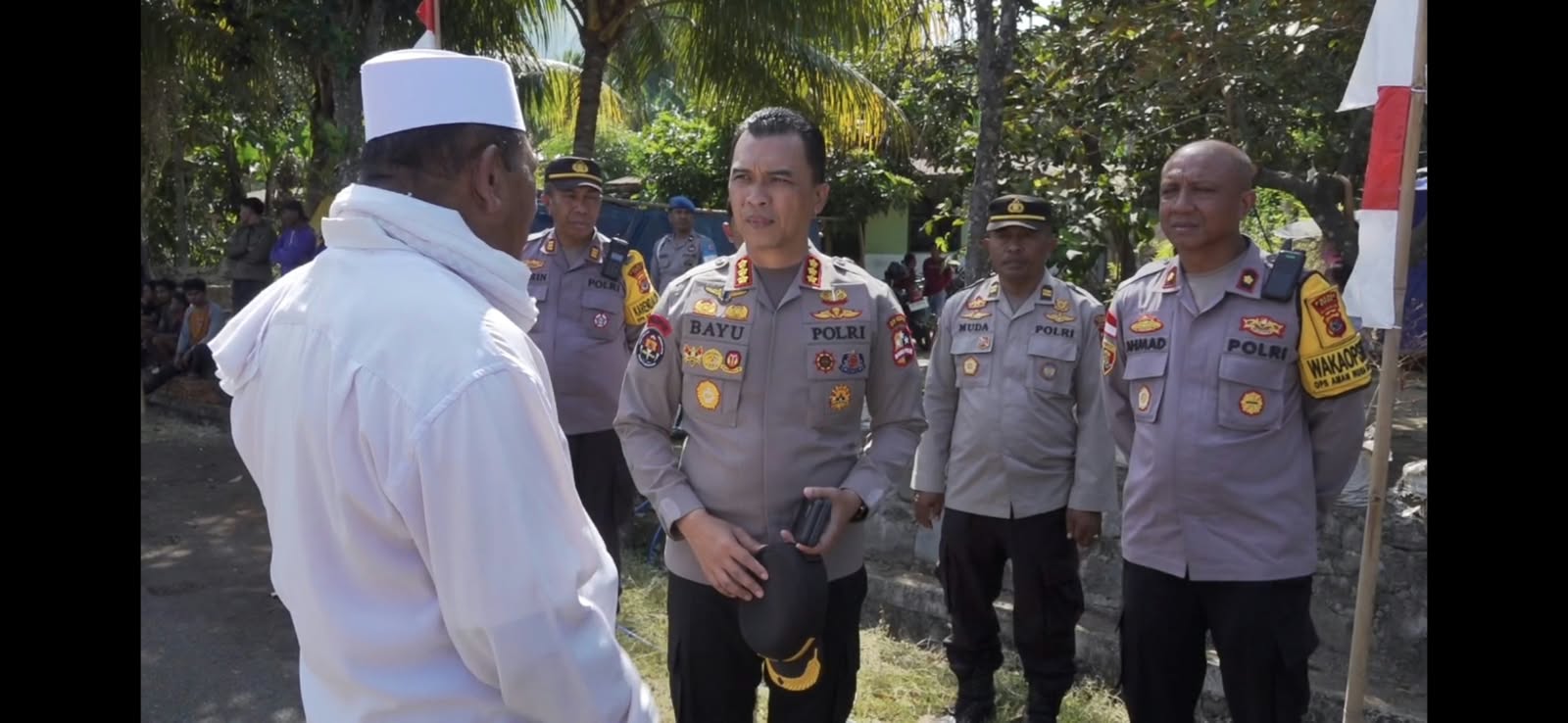
Kasatgas Humas Ops Aman Nusa II Penanggulangan Bencana NTT, Kombes Pol Bayu Suseno, menyambangi tiga personel Polres Ende yang terdampak gempa.
Ketiganya yakni Aipda Centysius Spanorama, anggota Satlantas Polres Ende, Bripka Paulus Rago, Bhabinkamtibmas Kelurahan Onekore Polsek Ende Polres Ende, serta Aiptu Yahya Tonu Weni, S.Sos., Bhabinkamtibmas Kelurahan Roworena Polsek Ende Polres Ende.
Pertemuan berlangsung sederhana, namun penuh kehangatan. Kombes Pol Bayu Suseno memberikan perhatian sekaligus wejangan kepada ketiga personel agar tetap kuat dan semangat menjalankan tugas, meski mereka sendiri turut merasakan dampak dari bencana.
Pesan yang disampaikan bukan sekadar tentang tugas, tetapi juga tentang bagaimana seorang anggota Polri harus tetap hadir untuk masyarakat, sembari saling menguatkan di tengah kondisi yang tidak mudah.
Usai menyambangi personel, Kombes Pol Bayu Suseno melanjutkan peninjauan ke Masjid At Taqwa yang turut terdampak gempa.
Di lokasi tersebut, ia bertemu dengan Imam Masjid At Taqwa, Bapak Ruslin Hj. Ibrahim, sekaligus melihat secara langsung kondisi bangunan masjid pascagempa.
Kunjungan ini menjadi pengingat bahwa di balik tugas penanganan bencana, ada kepedulian dan perhatian terhadap setiap warga yang terdampak.
Bagi Polri, hadir di tengah bencana bukan hanya tentang membantu memulihkan keadaan, tetapi juga tentang memastikan tidak ada yang merasa sendirian menghadapi masa sulit.
Dari personel hingga masyarakat, semangat yang dibawa tetap sama: saling menguatkan, bangkit bersama, dan perlahan menata kembali kehidupan setelah gempa.
MANGGARAI — Di tengah situasi pascagempa bumi yang masih dirasakan masyarakat, kehadiran personel Satgas SAR Korps Brimob Polri tidak hanya diwujudkan melalui tugas kemanusiaan, tetapi juga dengan membangun kedekatan bersama warga terdampak bencana.
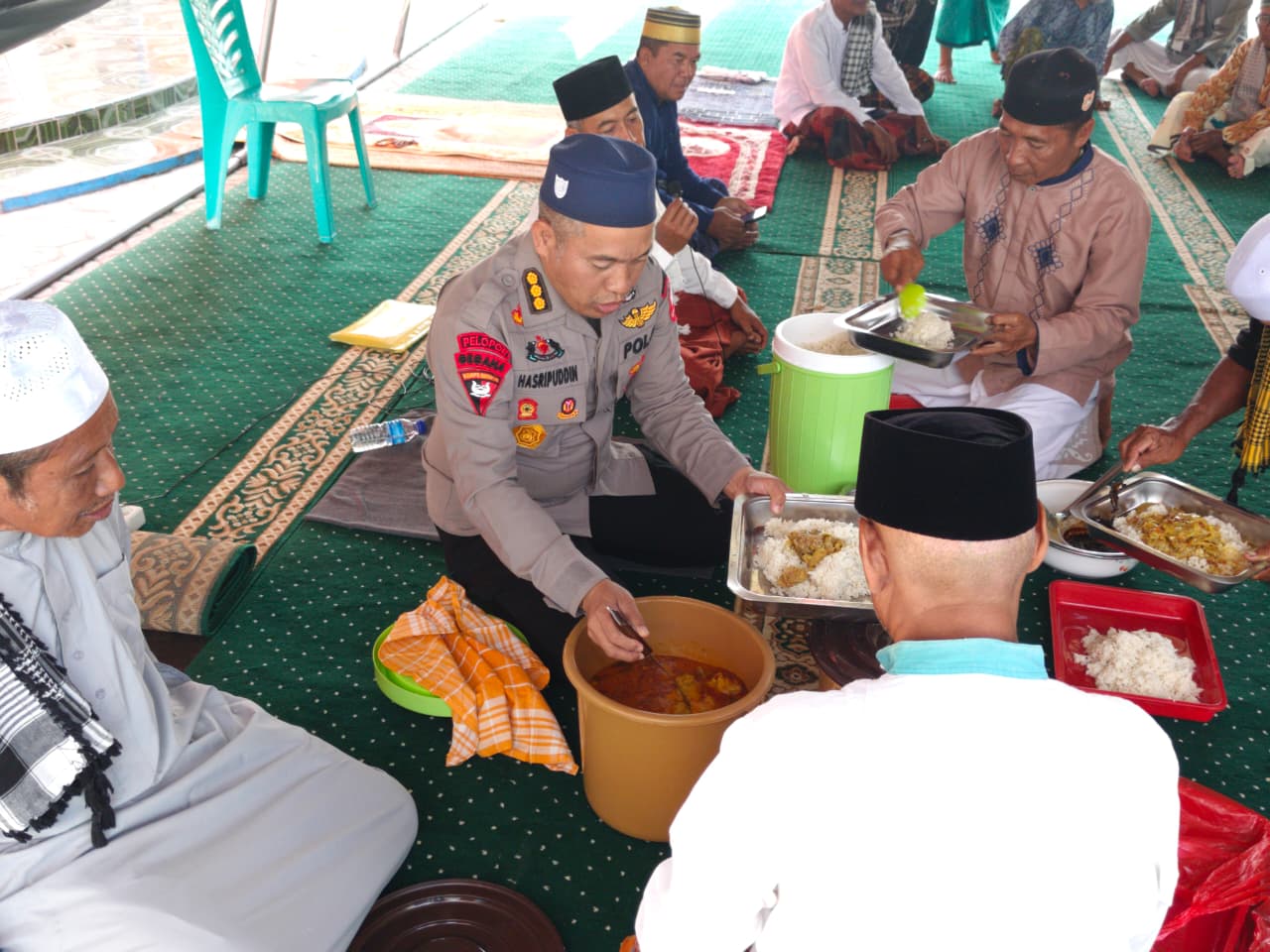
Hal tersebut terlihat saat Dansatgas SAR Korps Brimob Polri, Kombes Pol Hasripuddin, melaksanakan salat Jumat berjamaah bersama masyarakat korban bencana gempa bumi di Masjid Nurul-Huda, Desa Reok, RT 022/RW 011, Kecamatan Reo, Kabupaten Manggarai, Jumat (28/8/2026) pukul 12.00 WITA.
Usai melaksanakan ibadah, kegiatan dilanjutkan dengan makan bersama masyarakat. Suasana sederhana tersebut menjadi ruang untuk mempererat tali silaturahmi sekaligus memberikan dukungan moril kepada warga yang masih berada dalam kondisi pascabencana.
Kombes Pol Hasripuddin turut berbaur bersama masyarakat tanpa sekat. Kehadiran tersebut menjadi bentuk kepedulian Satgas SAR Korps Brimob Polri dalam mendampingi masyarakat, tidak hanya dalam proses penanganan dan pemulihan bencana, tetapi juga dalam kehidupan sosial dan keagamaan.
Melalui kegiatan tersebut, Satgas SAR Korps Brimob Polri menunjukkan bahwa tugas kemanusiaan tidak berhenti pada penanganan keadaan darurat. Membangun kebersamaan, menghadirkan rasa aman, serta menjaga hubungan baik dengan masyarakat juga menjadi bagian penting dalam membantu warga bangkit setelah menghadapi bencana.
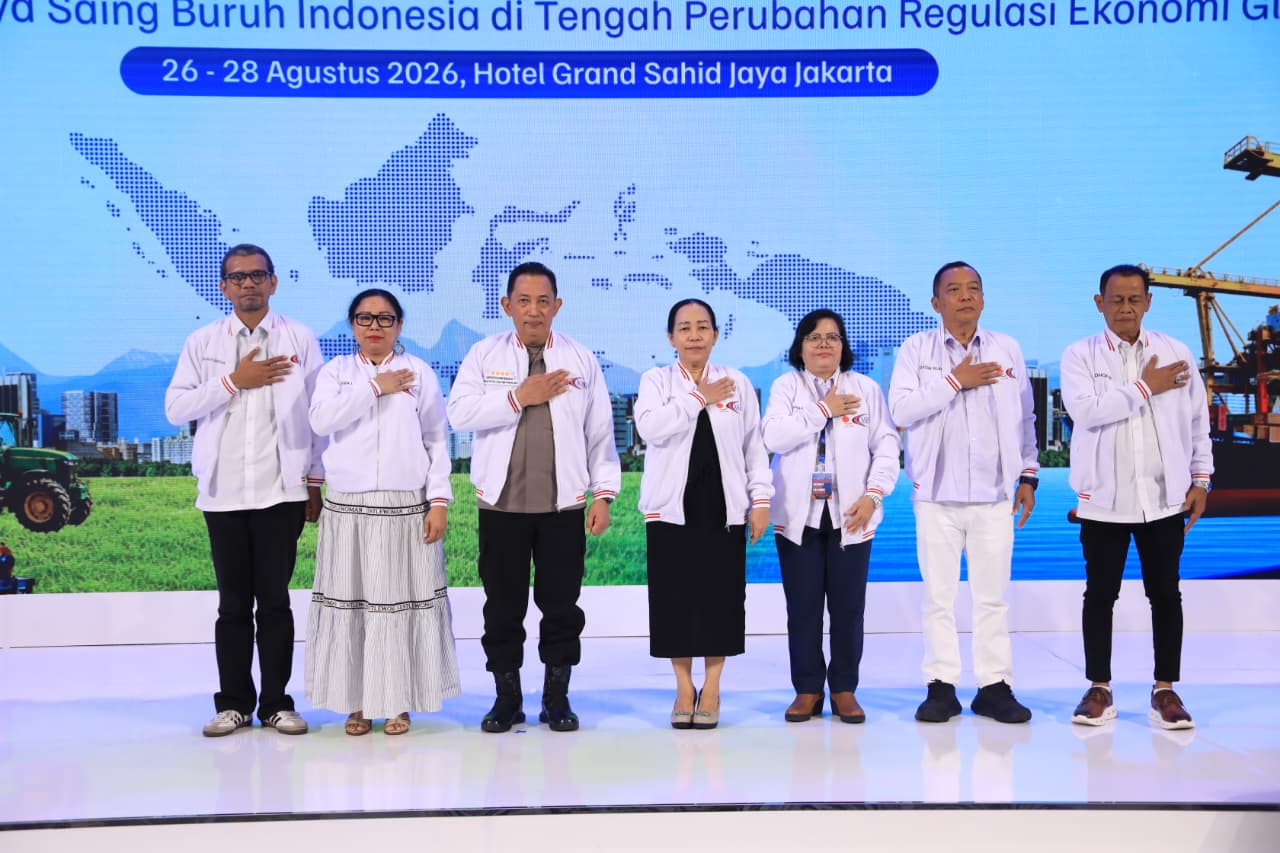
JAKARTA – Kapolri Jenderal Polisi Drs. Listyo Sigit Prabowo, M.Si., resmi diangkat sebagai Anggota Kehormatan Konfederasi Serikat Buruh Seluruh Indonesia (KSBSI).
Pengangkatan tersebut merupakan salah satu keputusan yang dihasilkan dalam Rapat Kerja Nasional (Rakernas) KSBSI Tahun 2026 yang digelar di Jakarta, Jumat (28/8/2026).
Presiden KSBSI Elly Rosita Silaban mengatakan, keputusan tersebut menjadi bentuk penghargaan sekaligus simbol kedekatan dan kerja sama yang selama ini telah terbangun antara KSBSI dengan Polri.
Pengangkatan Kapolri sebagai Anggota Kehormatan KSBSI tertuang dalam salah satu Surat Keputusan Rakernas KSBSI Tahun 2026 yang dibacakan dalam acara penutupan Rakernas.
Elly menyebut, Kapolri selama ini memberikan perhatian terhadap berbagai persoalan ketenagakerjaan. Termasuk melalui keberadaan Desk Ketenagakerjaan Polri yang diharapkan dapat semakin memperkuat perlindungan dan pelayanan terhadap para pekerja di seluruh Indonesia.
“Kami berharap Desk Ketenagakerjaan bukan hanya dikenal di tingkat pusat, tetapi di seluruh provinsi dan di seluruh daerah,” ujar Elly.
Menurutnya, kehadiran Desk Ketenagakerjaan menjadi bagian penting dalam membangun hubungan industrial yang lebih baik melalui pendekatan yang humanis serta mengedepankan komunikasi dan dialog.
“Kami masih ingin melihat pendekatan yang humanis terus diperkuat. Ketika terjadi persoalan hubungan industrial, kami berharap yang dikedepankan adalah dialog sosial,” ungkapnya.
Elly berharap Polri terus menjadi institusi yang semakin dekat dengan masyarakat, termasuk kalangan pekerja dan serikat buruh, serta mampu menjadi mitra dalam menciptakan hubungan industrial yang damai.
Ia menegaskan bahwa pengangkatan Kapolri sebagai Anggota Kehormatan merupakan bagian dari komitmen KSBSI untuk terus menjaga hubungan dan kolaborasi yang telah terbangun.
“Di SK Bapak nanti kami tidak menyebut Bapak sebagai Kapolri, tetapi nama Bapak, supaya Bapak tetap kami pelihara selama-lamanya. Selamat datang di keluarga KSBSI,” kata Elly.
Sementara itu, Kapolri Jenderal Listyo Sigit Prabowo menyampaikan apresiasi atas kepercayaan yang diberikan kepadanya. Menurutnya, pengangkatan tersebut sekaligus menjadi amanah bagi Polri untuk terus meningkatkan pelayanan kepada para pekerja.
Kapolri menegaskan bahwa keberadaan Desk Ketenagakerjaan Polri akan terus dioptimalkan sebagai mitra strategis bagi pekerja dan serikat buruh, khususnya dalam membantu menangani persoalan hubungan industrial maupun berbagai persoalan yang berdampak terhadap kehidupan pekerja.
“Bagi kami, ini suatu apresiasi untuk institusi Polri, sekaligus juga menjadi amanah bagi kami semua untuk betul-betul bisa lebih optimal dalam memberikan pelayanan terhadap rekan-rekan buruh,” ujar Kapolri.
Menurut Kapolri, Polri memiliki kewajiban untuk hadir memberikan perlindungan terhadap pekerja, termasuk dari berbagai persoalan kejahatan maupun tindakan yang dapat merugikan hak dan kepentingan buruh.
Ia berharap Desk Ketenagakerjaan Polri dapat terus diperkuat dan semakin optimal dalam menjalankan perannya.
“Desk Ketenagakerjaan harus menjadi mitra strategis untuk perlindungan rekan-rekan buruh sekalian,” tegas Kapolri.
Dalam kesempatan tersebut, Kapolri juga menyampaikan bahwa kedekatannya dengan kalangan buruh telah membangun ikatan tersendiri. Bahkan, ia menyebut pertemuan dan interaksi bersama serikat pekerja telah menjadikan lingkungan buruh sebagai salah satu “rumah kedua” baginya.
“Semakin hari, semakin saya bertemu dengan rekan-rekan buruh, tanpa saya sadari ini menjadi rumah kedua saya. Oleh karena itu, kewajiban bagi kita, begitu kita masuk di sebuah rumah, rumahnya harus nyaman dan anggota keluarga di dalamnya juga harus sejahtera,” pungkas Kapolri.
Pengangkatan Jenderal Listyo Sigit Prabowo sebagai Anggota Kehormatan KSBSI menjadi salah satu keputusan penting Rakernas KSBSI Tahun 2026, sekaligus menandai komitmen untuk terus memperkuat sinergi antara Polri dan kalangan pekerja dalam membangun hubungan industrial yang dialogis, humanis, serta berorientasi pada perlindungan dan kesejahteraan buruh.
-
 Berita3 tahun ago
Anggota Polsek Pohjentrek Rutin Patroli SPBU Serta Memberikan Himbauan ke Pembeli dan Petugas
-
 Berita4 tahun ago
Ajak Anggotanya Tingkatkan Harkamtibmas, Kapolsek Purworejo Gelar Coffe Morning
-
 Berita4 tahun ago
Langkah Kompolnas dan Divisi Humas Polri Bangun Sinergitas Berikan Pelayanan Terbaik Kepada Masyarakat
-
 Berita3 tahun ago
Jelang Libur Nataru, Polres Probolinggo Pastikan Keamanan dan Kenyamanan Obyek Wisata
-
 Berita2 tahun ago
Bhabinkamtibmas Polsek Purworejo Lakukan Pengamanan Jalan Santai Peringatan HUT Ke-79 Republik Indonesia
-
 Berita3 tahun ago
Polsek Grati Patroli Antisipasi Kamtibmas Jelang Idul Fitri
-
 Berita3 tahun ago
Dengan Sinergitas, Polres Pasuruan Kota Sukseskan Pengamanan Tour de Pasuruan dan Suropati Race IV 2023
-
 Berita3 tahun ago
Bhabinkamtibmas Polsek Grati Dialogis Dengan Masyarakat Desa Binaan Ciptakan Keamanan