
Berita
Polres Blitar Berikan Penyuluhan Tentang Bullying di Lingkungan Sekolah


Blitar – Adanya kasus bullying yang kerap terjadi dalam dunia Pendidikan menjadikan salah satu keprihatinan, mengingat hal tersebut dapat membawa pengaruh buruk terhadap kesehatan fisik maupun mental anak kususnya di Lingkungan sekolah.
Oleh karena itu, Sat Binmas Polres Blitar Polda Jawa Timur segera mengambil tindakan pencegahan dengan memberikan penyuluhan kepada para guru serta siswa di tiap – tiap kelas tentang bahaya Tindakan Bullying.
Disampaikan oleh Satbinmas Polres Blitar kepada para guru dan siswa tentang pemahaman Bullying, bilamana para siswa agar paham dan mengerti agar perilaku kepada sesama siswa agar tidak mengarah ke bentuk bullying.
Kapolres Blitar AKBP Adhitya Panji Anom S.I.K. melalui Kasat Binmas AKP Nanik Suryana mengatakan Tindakan bullying tidak hanya berdampak buruk terhadap korban (teman yang menjadi sasaran bullying) namun juga bagi si pelaku (siswa yang membully temannya).
“ Bagi pelaku jika dibiarkan terus menerus tanpa intervensi, perilaku bullying ini dapat menyebabkan terbentuknya perilaku lain berupa kekerasan terhadap anak dan perilaku kriminal lainnya, sedangkan bagi Korban mengakibatkan depresi dan marah, rendahnya tingkat kehadiran dan rendahnya prestasi akademik siswa, Menurunnya kecerdasan (IQ) dan kemampuan analisis siswa” paparnya.
Kasat Binmas Polres Blitar AKP Nanik Suryana menambahkan kegiatan ini akan rutin dilakukan, baik di lingkungan pelajar, siswa Taman Kanak-kanak hingga sampai tingkat Sekolah Menengah atas.
“ Semoga salah satu upaya yang sudah kita berikan dengan sosialisasi kepada para siswa dapat meminimalisir segala bentuk tindakan bullying dilingkungan pelajar” pungkasnya.
Disela-sela kegiatan tersebut dari pihak Satbinmas juga memberikan hadiah berupa buku tulis kepada para siswa yang aktif baik bertanya atau menjawab suatu pertanyaan. (*)


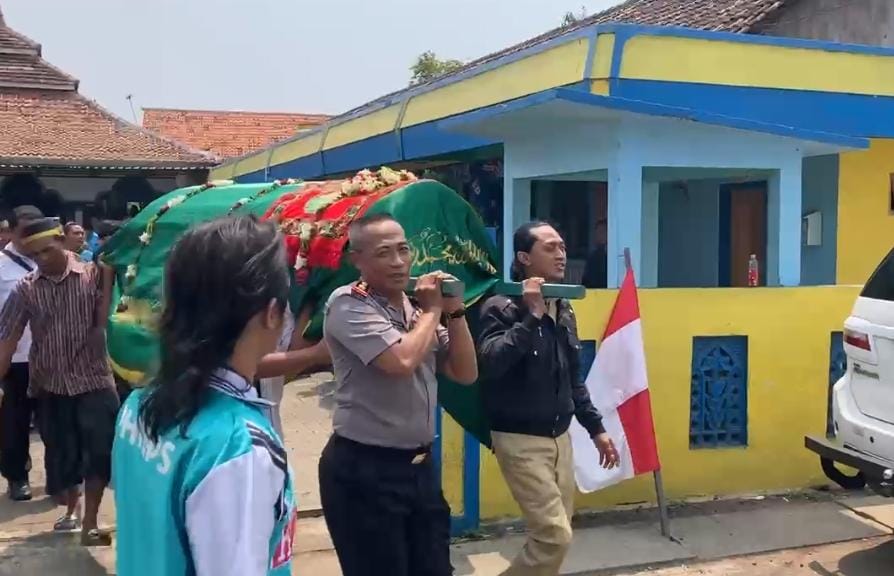
Polresta Pasuruan – Di tengah kesibukan tugas sebagai Kapolsek, Kompol Hudi Supriyanto menunjukkan sisi humanisnya dengan terlibat langsung dalam prosesi pemakaman salah satu warganya.
Momen ini terjadi pada Senin, 31 Agustus 2025, ketika Kompol Hudi terlihat membopong keranda jenazah seorang warga yang meninggal dunia di di kediaman rumah duka Kel Bakalan Kec Bugul Kidul Kota Pasuruan
Jenazah yang diantar menuju peristirahatan terakhir tersebut adalah istri dari Bapak Ilham seorang tokoh masyarakat Sekaligus Salah satu Pegawai Kesbangpol Kota Pasuruan Kota
Almarhumah diketahui meninggal dunia menderita sakit, dan rencananya akan dimakamkan di Pemakakaman Umum Kel Bakalan Kec Bugul Kidul Kota Pasuruan
Dalam suasana duka tersebut, sejumlah personel Polsek Bugul Kidul ikut hadir untuk takziah dan memberikan penghormatan terakhir.
Namun yang membuat suasana semakin mengharukan adalah ketika Kapolsek Kompol Hudi Supriyanto tak hanya hadir sebagai atasan dan tokoh aparat, tetapi juga menunjukkan kepeduliannya dengan membantu mengangkat keranda jenazah.
Tanpa ragu dan dengan penuh keikhlasan, Kompol Hudi turut serta memanggul keranda bersama warga lainnya, yang akan membawa ke tempat peristirahatan terakhir
“Saya merasa ini adalah bentuk kepedulian dan tanggung jawab sebagai sesama manusia. Kita harus hadir tidak hanya dalam tugas formal, tetapi juga di momen-momen seperti ini, ketika warga kita sedang berduka. Ini juga cara kami mempererat hubungan antara kepolisian dan masyarakat sebagai ungkapan rasa kepedulian ,” ujar Kompol Hudi Supriyanto.
Kehadiran Kompol Hudi dan anggotanya di acara takziah ini tidak hanya menunjukkan sisi profesionalisme dalam tugas kepolisian, tetapi juga sisi empati yang mendalam terhadap warga di lingkungan tempatnya bertugas.
Baginya, menjalankan tugas sebagai Kapolsek bukan hanya tentang menjaga keamanan, tetapi juga tentang peduli terhadap kondisi sosial dan kehidupan sehari-hari warganya.
Aksi membopong keranda ini menjadi bukti nyata bahwa sosok polisi bisa hadir sebagai bagian dari masyarakat, bukan hanya dalam situasi formalitas tugas, tetapi juga dalam kondisi kemanusiaan
Bagi keluarga almarhumah, khususnya Bapak Ilham, kehadiran Kapolsek dan anggotanya membawa rasa kedekatan yang lebih mendalam
Mereka merasa didukung tidak hanya oleh keluarga dan kerabat, tetapi juga oleh pihak kepolisian yang selalu siap membantu, bahkan dalam kondisi yang penuh duka.
Momen ini juga menjadi pengingat bahwa di balik tugas berat seorang polisi, ada rasa empati yang besar terhadap masyarakat.
-
 Berita3 tahun ago
Anggota Polsek Pohjentrek Rutin Patroli SPBU Serta Memberikan Himbauan ke Pembeli dan Petugas
-
 Berita4 tahun ago
Ajak Anggotanya Tingkatkan Harkamtibmas, Kapolsek Purworejo Gelar Coffe Morning
-
 Berita4 tahun ago
Langkah Kompolnas dan Divisi Humas Polri Bangun Sinergitas Berikan Pelayanan Terbaik Kepada Masyarakat
-
 Berita3 tahun ago
Jelang Libur Nataru, Polres Probolinggo Pastikan Keamanan dan Kenyamanan Obyek Wisata
-
 Berita2 tahun ago
Bhabinkamtibmas Polsek Purworejo Lakukan Pengamanan Jalan Santai Peringatan HUT Ke-79 Republik Indonesia
-
 Berita3 tahun ago
Polsek Grati Patroli Antisipasi Kamtibmas Jelang Idul Fitri
-
 Berita3 tahun ago
Dengan Sinergitas, Polres Pasuruan Kota Sukseskan Pengamanan Tour de Pasuruan dan Suropati Race IV 2023
-
 Berita3 tahun ago
Bhabinkamtibmas Polsek Grati Dialogis Dengan Masyarakat Desa Binaan Ciptakan Keamanan