
Berita
Patroli Pamor Keris Polres Pasuruan Kota Himbau Masyarakat Jaga Protokol Kesehatan


Polresta Pasuruan – Guna mencegah Penularan dan Penyebaran Virus Covid- 19, Polres Pasuruan Kota Polda Jawa Timur rutin menggelar Patroli Pamor Keris dengan sasaran pertokoan, pasar, tempat makan, warung kopi atau tempat di mana dapat mengundang kerumunan masyarakat. Jumat (25/11/2022).
Selain patroli, petugas juga memberikan imbauan serta mengingatkan kepada masyarakat Kota Pasuruan agar senantiasa selalu waspada terhadap penyebaran Covid-19.
KBO Satsamapta IPTU Soleh mengatakan, kegiatan ini dilakukan sebagai upaya menghimbau protokol kesehatan dan juga untuk menjaga dan memelihara situasi Kamtibmas khususnya di wilayah hukum Polres Pasuruan Kota supaya aman dan kondusif.
“Kegiatan patroli Pamor Keris dilakukan setiap pagi dan malam hari, khususnya di tempat tempat rawan dan tempat keramaian yang menjadi sasaran pelaku tindak kejahatan, maupun terorisme, agar warga masyarakat merasa aman dan nyaman dengan kehadiran Polisi ditengah tengah masyarakat, serta mengajak masyarakat agar mematuhi protokol kesehatan.” Pungkasnya.
Harapannya dengan dilakukan kegiatan patroli prokes oleh Tim Pamor Keris masyarakat tidak mengulangi pelanggaran tersebut dan masyarakat dapat mematuhi 5M yaitu memakai masker, menjaga jarak, mencuci tangan, menghindari kerumunan, dan mengurangi mobilitas


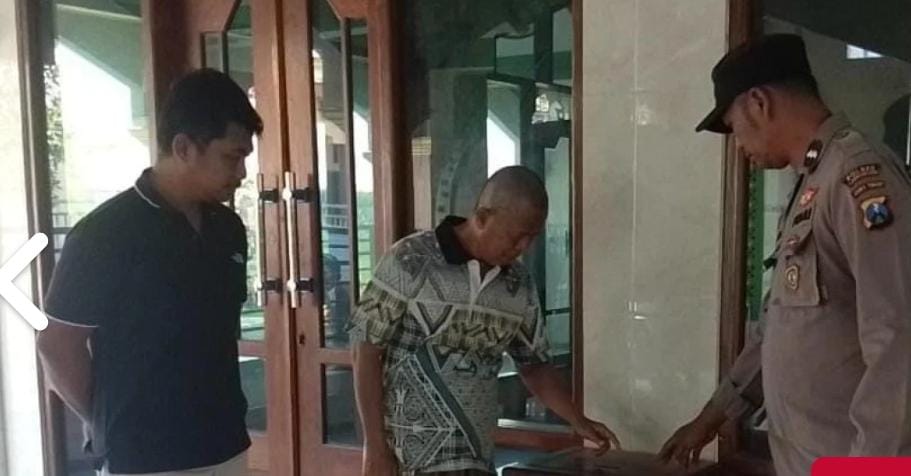
LAMONGAN – Polres Lamongan Polda Jatim melalui Polsek Karanggeneng berhasil mengungkap kasus tindak pidana pencurian uang kotak amal di salah satu Masjid di Dusun Ngembet, Desa Banjarmadu, Kecamatan Karanggeneng, Kabupaten Lamongan.
Kasi Humas Polres Lamongan Ipda M. Hamzaid, S.Pd mengatakan dari hasil ungkap, Polsek Karanggeneng mengamankan seorang tersangka berinisial YS (42), warga Sukomulyo Lamongan pada Jumat (24/7/2026) sekitar pukul 14.20 WIB.
Menurut Ipda M. Hamzaid, S.Pd pengungkapan kasus tersebut berawal dari informasi masyarakat yang segera ditindaklanjuti Kapolsek Karanggeneng Iptu Sofian Ali, S.H. bersama anggotanya untuk melakukan penyelidikan hingga akhirnya berhasil mengankan tersangka.
Berdasarkan hasil pemeriksaan awal, tersangka diduga melakukan pencurian uang kotak amal menggunakan modus memancing uang dengan alat sederhana berupa lidi sapu yang diberi perekat (pulut).
“Hasil pemeriksaan tersangka diketahui merupakan residivis pencurian kotak amal dan Pencurian Kendaraan Bermotor, ” jelas Ipda Hamzaid, Sabtu (25/7/2026).
Dari tangan pelaku, petugas menyita barang bukti berupa satu buah lidi patah yang terdapat perekat, uang tunai hasil pencurian sebesar Rp.394.000 yang terdiri dari 17 lembar pecahan Rp20.000, satu lembar pecahan Rp50.000, dan dua lembar pecahan Rp2.000, serta satu unit sepeda motor yang digunakan sebagai sarana melakukan tindak pidana.
Kini tersangka berikut barang bukti telah diamankan di Polsek Karanggeneng guna menjalani proses penyidikan lebih lanjut.
Atas perbuatannya, pelaku disangkakan melanggar Pasal 476 Undang-Undang Nomor 1 Tahun 2023 tentang Kitab Undang-Undang Hukum Pidana (KUHP).
“Kami mengimbau masyarakat agar tetap meningkatkan kewaspadaan dan segera melaporkan setiap tindak pidana melalui layanan kepolisian 110 agar dapat segera ditindaklanjuti.”pungkas Ipda Hamzaid. (*)
-
 Berita3 tahun ago
Anggota Polsek Pohjentrek Rutin Patroli SPBU Serta Memberikan Himbauan ke Pembeli dan Petugas
-
 Berita3 tahun ago
Ajak Anggotanya Tingkatkan Harkamtibmas, Kapolsek Purworejo Gelar Coffe Morning
-
 Berita4 tahun ago
Langkah Kompolnas dan Divisi Humas Polri Bangun Sinergitas Berikan Pelayanan Terbaik Kepada Masyarakat
-
 Berita3 tahun ago
Jelang Libur Nataru, Polres Probolinggo Pastikan Keamanan dan Kenyamanan Obyek Wisata
-
 Berita2 tahun ago
Bhabinkamtibmas Polsek Purworejo Lakukan Pengamanan Jalan Santai Peringatan HUT Ke-79 Republik Indonesia
-
 Berita3 tahun ago
Polsek Grati Patroli Antisipasi Kamtibmas Jelang Idul Fitri
-
 Berita3 tahun ago
Dengan Sinergitas, Polres Pasuruan Kota Sukseskan Pengamanan Tour de Pasuruan dan Suropati Race IV 2023
-
 Berita3 tahun ago
Bhabinkamtibmas Polsek Grati Dialogis Dengan Masyarakat Desa Binaan Ciptakan Keamanan