
Berita
Polres Lamongan Berhasil Amankan 28 Tersangka Kasus Narkoba dalam 90 Hari


Lamongan – Upaya maksimal untuk memberantas narkotika dan obat obatan terlarang di wilayah hukum Polres Lamongan Polda Jatim tidak pernah berhenti.
Kerja keras Polres Lamongan Polda Jatim dalam hal tersebut Satresnarkoba terbukati membuahkan hasil.
Dalam kurun waktu 3 bulan yaitu Periode September Oktober dan November tahun 2022, Polres Lamongan Polda Jatim mampu mengamankan sebanyak 28 tersangka dengan 23 kasus.
Kapolres Lamongan Polda Jatim, AKBP Yakhob Silvana mengatakan dari kasus yang berhasil diungkap rata rata adalah penyalahgunaan Narkoba jenis Sabu, Obat Obatan Keras dan Ganja.
“ Hari ini kita merilis ungkap kasus narkoba selama 3 bulan yaitu periode September, Oktober, dan November tahun 2022 dengan jumlah tersangka yang kita amankan sebanyak 28 dari 23 kasus. Rata rata kasus yang kita ungkap adalah Jenis Sabu, Obat Obatan Keras dan Ganja.” ungkap AKBP Yakhob.
Jumlah barang bukti yang diamankan diantaranya yaitu Narkotika jenis sabu 6,24 gram, Ganja 17,8 gram, Obat keras daftar G jenis pil double L 3.333 Butir, Obat keras daftar G jenis Trihexypenidi 2.090 butir.
Kapolres Lamongan juga menjelaskan kronologi dan modus operandinya termasuk transaksi serta cara memperoleh barang haram tersebut, pengedaran jenis pil ini dibeli dan dipesan lewat aplikasi Shoppe sedangkan ganja komunikasi lewat aplikasi Facebook.
Dari 28 tersangka yang diamankan pihak kepolisian ada beberapa pelajar atau Mahasis didalamnya bahkan seorang fotograferpun menggunakan barang terlarang ini.
“ Yang kita rilis sekarang adalah pengedar dan pemakai hanya 1 orang.” tambahnya.
Tersangka pengedar sabu sabu dikenakan pasal 114 ayat (1) pidana penjara seumur hidup, paling singkat 5 (lima) tahun dan paling lama 20 (Dua puluh) tahun, subs pasal 112 ayat (1) UU RI no.35 tahun 2009 tentang Narkotika dengan pidana penjara paling singkat 4 (empat) tahun dan paling lama 12 (dua belas) tahun.
Sementara tersangka pengedar Pil Double L dikenakan pasal 196 subs pasal 197 UU RI no.36 tahun 2009 tentang kesehatan. “ Sedangkan pelaku pemakai ganja kita kenakan pasal 111 ayat 1 dengan pidana penjara paling singkat 4 (empat) tahun dan paling lama 12 (dua belas) tahun.
“Upaya Maksimal kami lakukan salah satunya berkoordinasi dengan BNK Badan Narkotika Kabupaten Lamongan untuk pemberantasan di wilayah Lamongan, Anggota telah disebar ke seluruh pelosok wilayah yang sulit dijangkau pun tak luput dari Polisi,” pungkas Kapolres Lamongan.


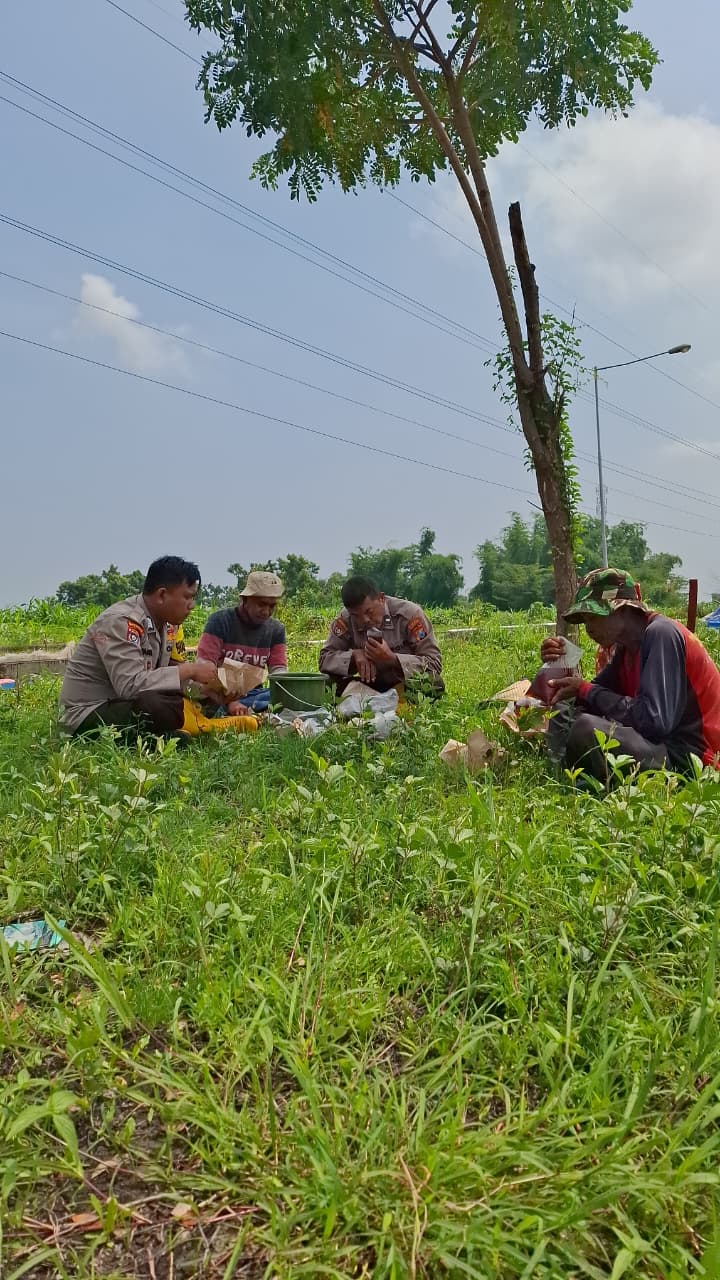
Polresta Pasuruan – Bhabinkamtibmas Polsek Kraton Polres Pasuruan Kota Polda Jawa Timur terus menunjukkan peran aktifnya dalam mendukung sektor pertanian melalui kegiatan sambang dan monitoring terhadap para petani di wilayah Kecamatan Kraton, Kabupaten Pasuruan. Senin (24/8/2026).
Kegiatan tersebut merupakan bentuk kepedulian sekaligus dukungan Polri terhadap masyarakat, khususnya para petani, dalam meningkatkan produktivitas pertanian dan mendukung program ketahanan pangan.
Dalam pelaksanaannya, Bhabinkamtibmas turun langsung ke lahan pertanian untuk memantau kondisi serta perkembangan tanaman. Selain melakukan pengecekan, personel juga berdialog dengan para petani guna mengetahui perkembangan pertanian sekaligus mendengarkan berbagai masukan dan kendala yang dihadapi selama proses pengelolaan lahan.
Melalui komunikasi secara langsung tersebut, Bhabinkamtibmas dapat memberikan motivasi kepada petani agar tetap semangat dalam mengelola lahan serta mengoptimalkan perawatan tanaman sehingga hasil pertanian dapat meningkat.
Kapolsek Kraton AKP Moch. Soleh menyampaikan bahwa pendampingan kepada petani merupakan salah satu bentuk kehadiran Polri di tengah masyarakat sekaligus mendukung program pemerintah di bidang ketahanan pangan.
“Bhabinkamtibmas akan terus kami dorong untuk aktif mendampingi para petani di wilayah binaannya. Selain memantau perkembangan pertanian, kehadiran anggota juga menjadi sarana untuk mendengarkan langsung kendala yang dihadapi petani dan memberikan motivasi agar produktivitas pertanian terus meningkat,” ujar AKP Moch. Soleh.
Ia menambahkan, sinergi antara Polri dan masyarakat perlu terus diperkuat agar berbagai program pemerintah, khususnya dalam mewujudkan ketahanan pangan, dapat berjalan secara optimal.
Dengan adanya kegiatan sambang dan monitoring secara rutin, Polsek Kraton berharap hubungan kemitraan antara Polri dan masyarakat semakin erat serta dapat memberikan kontribusi nyata dalam meningkatkan produktivitas pertanian dan kesejahteraan para petani.
#astacita
#polrespasuruankota
#birosdmpoldajatim
#ketahananpanganpoldajatim
#polripresisi
#swasembadapangan
#swassembadajagung
#polisicintapetani
#astacitapresiden
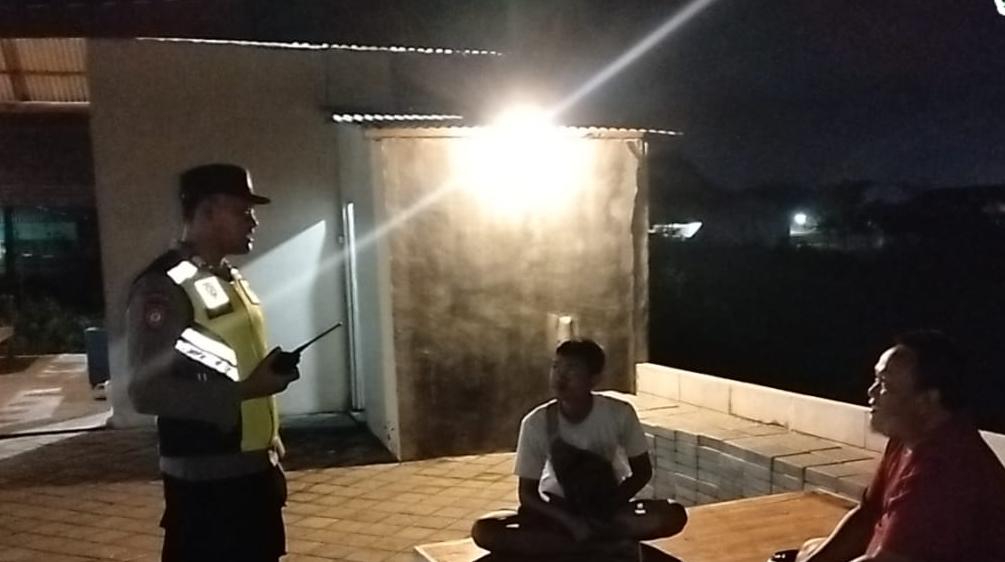
Polresta Pasuruan – Dalam rangka menjaga keamanan dan kenyamanan masyarakat, Polsek Rejoso Polres Pasuruan Kota Polda Jawa Timur meningkatkan kegiatan Patroli SAE pada jam-jam rawan, khususnya pada waktu dini hari. Senin (24/8/2026).
Kegiatan patroli dilakukan dengan menyusuri sejumlah lokasi yang dianggap rawan terjadinya tindak kriminalitas maupun gangguan keamanan dan ketertiban masyarakat (kamtibmas).
Personel melakukan pemantauan situasi sekaligus memastikan kondisi lingkungan tetap aman dan kondusif.
Selain melakukan patroli, personel juga mengantisipasi berbagai potensi gangguan seperti pencurian, aksi kriminalitas jalanan, maupun aktivitas mencurigakan yang dapat mengganggu keamanan warga.
Kehadiran polisi di lapangan diharapkan mampu memberikan rasa aman bagi masyarakat yang masih beraktivitas maupun warga yang sedang beristirahat.
Kapolsek Rejoso AKP Bambang Pamungkas, S.A.P., mengatakan bahwa patroli pada jam rawan merupakan langkah preventif untuk mencegah terjadinya gangguan kamtibmas.
“Patroli SAE kami tingkatkan terutama pada jam-jam rawan dini hari. Personel kami arahkan untuk menyasar lokasi yang berpotensi terjadi gangguan kamtibmas sekaligus memastikan masyarakat merasa aman dan nyaman,” ujar AKP Bambang.
Polsek Rejoso berkomitmen untuk terus meningkatkan kegiatan patroli secara berkala, khususnya pada waktu dan lokasi yang dianggap rawan, sebagai bentuk pelayanan dan perlindungan kepada masyarakat.
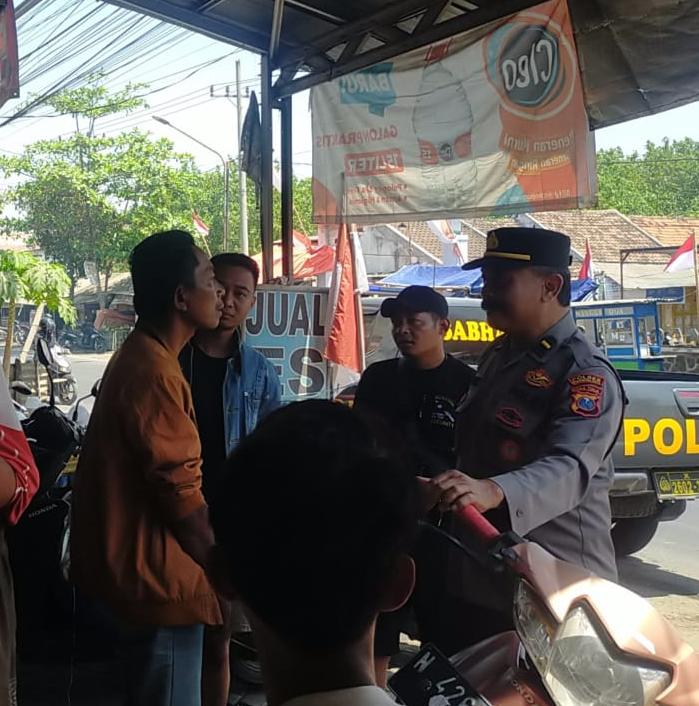
Polresta Pasuruan – Dalam rangka menjaga keamanan dan ketertiban masyarakat, personel Polsek Keboncandi Polres Pasuruan Kota Polda Jawa Timur rutin melaksanakan Patroli SAE di wilayah hukum Polsek Keboncandi. Senin (24/8/2026).
Kegiatan patroli dilakukan dengan menyusuri sejumlah lokasi yang dianggap rawan terjadinya gangguan kamtibmas maupun tindak kriminalitas.
Selain melakukan pemantauan situasi, personel juga melaksanakan dialogis bersama masyarakat yang ditemui saat patroli.
Dalam kesempatan tersebut, anggota menyampaikan pesan-pesan kamtibmas serta mengajak masyarakat untuk bersama-sama menjaga keamanan lingkungan.
Warga juga diimbau agar tetap waspada terhadap berbagai potensi tindak kriminalitas dan segera melaporkan kepada pihak kepolisian apabila menemukan aktivitas yang mencurigakan.
Kapolsek Keboncandi AKP Topo Utomo, S.H., menyampaikan bahwa kegiatan Patroli SAE merupakan upaya preventif untuk mencegah terjadinya gangguan kamtibmas sekaligus mendekatkan anggota Polri dengan masyarakat.
“Patroli SAE kami laksanakan secara rutin sebagai langkah pencegahan terhadap berbagai gangguan kamtibmas. Selain patroli, anggota juga kami arahkan untuk berdialog dengan masyarakat sehingga dapat mengetahui situasi dan permasalahan yang ada secara langsung,” ujar AKP Topo Utomo.
Ia menambahkan, keamanan lingkungan tidak hanya menjadi tanggung jawab kepolisian, tetapi membutuhkan peran serta masyarakat. Karena itu, pihaknya mengajak seluruh warga untuk meningkatkan kepedulian dan bersama-sama menjaga lingkungan agar tetap aman dan kondusif.
Melalui kegiatan patroli dan dialogis tersebut, Polsek Keboncandi berharap kehadiran polisi semakin dirasakan masyarakat serta mampu menciptakan situasi kamtibmas yang aman, nyaman, dan kondusif di wilayah hukum Polsek Keboncandi.
-
 Berita3 tahun ago
Anggota Polsek Pohjentrek Rutin Patroli SPBU Serta Memberikan Himbauan ke Pembeli dan Petugas
-
 Berita4 tahun ago
Ajak Anggotanya Tingkatkan Harkamtibmas, Kapolsek Purworejo Gelar Coffe Morning
-
 Berita4 tahun ago
Langkah Kompolnas dan Divisi Humas Polri Bangun Sinergitas Berikan Pelayanan Terbaik Kepada Masyarakat
-
 Berita3 tahun ago
Jelang Libur Nataru, Polres Probolinggo Pastikan Keamanan dan Kenyamanan Obyek Wisata
-
 Berita2 tahun ago
Bhabinkamtibmas Polsek Purworejo Lakukan Pengamanan Jalan Santai Peringatan HUT Ke-79 Republik Indonesia
-
 Berita3 tahun ago
Polsek Grati Patroli Antisipasi Kamtibmas Jelang Idul Fitri
-
 Berita3 tahun ago
Dengan Sinergitas, Polres Pasuruan Kota Sukseskan Pengamanan Tour de Pasuruan dan Suropati Race IV 2023
-
 Berita3 tahun ago
Bhabinkamtibmas Polsek Grati Dialogis Dengan Masyarakat Desa Binaan Ciptakan Keamanan