
Berita
Jelang Nataru, Polres Gresik Bersama TNI Gandeng Pendekar Lakukan Patroli


GRESIK – Menghadapi libur Natal 2022 dan Tahun Baru 2023 ( Nataru ), Polres Gresik yang merupakan jajaran Polda Jatim melakukan berbagai upaya untuk pengamanan pada moment yang disinyalir akan meningkatnya mobilitas masyarakat di Jawa Timur khususnya Kabupaten Gresik.
Jajaran Polres Gresik Polda Jatim inipun mengeluarkan edaran sebagai langkah antisipasi, termasuk menggandeng perguruan silat dalam pelaksanaan operasi gabungan penertiban Kamtibmas.
Seperti yang telah dilaksanakan oleh Polsek Manyar, misalnya. Polsek yang ada di jajaran Polres Gresik Polda Jatim ini bersama Koramil 0817/06 Manyar dan petugas dari Kecamatan Manyar kembali melakukan patroli gabungan menjaga kamtibmas yang kondusif.
Bahkan, petugas gabungan ini juga menggandeng anggota dari berbagai perguruan silat dalam pelaksanaan patroli tersebut.
Kapolres Gresik AKBP Mochamad Nur Azis melalui Kapolsek Manyar AKP Windu Priyo Prayitno mengatakan pihaknya sengaja menggadeng perguruan silat PSHT, PSHW, IKS PI Kera Sakti, dan Pagar Nusa untuk bersinergi menjaga kamtibmas di Gresik.
“Untuk kompak bersama – sama mendukung dan mengamankan wilayah dari potensi gesekan antarkelompok pemuda,’’ jelas AKP Windu kemarin (19/12).
AKP Windu menjelaskan bahwa pelaksanaan patroli menyasar berbagai wilayah rawan gangguan kamtibmas di beberapa titik yang sudah dipetakan.
“Ini dalam rangka cipta kondisi di wilayah Kecamatan Manyar agar tetap kondusif selama Nataru dan salah satu prioritasnya adalah mengimbau untuk menjaga kerukunan antarkelompok pemuda,’’terang AKP Windu.
Pihaknya berharap kegiatan tersebut mampu menghilangkan sisi negatif dari perguruan silat.
“Sekaligus membuktikan bahwa perguruan silat di Kecamatan Manyar sangat kompak.Tidak ada kegiatan lain dari perguruan silat selain kekompakan dan satu jiwa berani guyub antar perguruan silat,’’ pungkas Mantan Kasatsabhara Polres Pelabuhan Tanjung Perak Surabaya itu. (*)


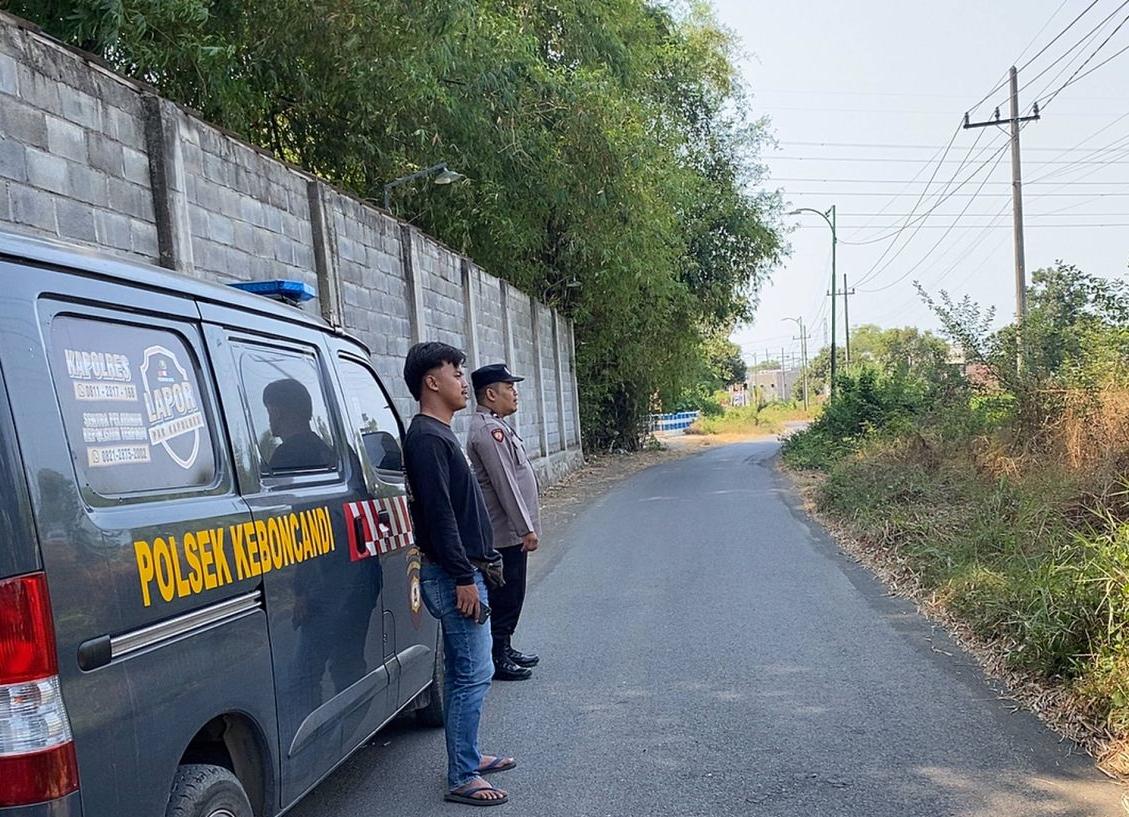
Polresta Pasuruan – Mengantisipasi aksi kriminalitas dan berbagai gangguan keamanan dan ketertiban masyarakat (kamtibmas), Polsek Keboncandi Polres Pasuruan Kota Polda Jawa Timur terus meningkatkan kegiatan patroli di sejumlah jalur yang dinilai rawan di wilayah Kecamatan Gondangwetan, Kabupaten Pasuruan. Sabtu (29/8/2026).
Patroli dilaksanakan sebagai langkah preventif untuk mencegah terjadinya tindak kriminalitas, khususnya 3C (curat, curas, dan curanmor).
Personel melakukan pemantauan situasi di sepanjang jalur patroli serta menyambangi sejumlah lokasi yang berpotensi menjadi titik terjadinya gangguan kamtibmas.
Selain melakukan pemantauan, personel juga mengajak masyarakat untuk bersama-sama menjaga keamanan lingkungan.
Warga diimbau agar tetap meningkatkan kewaspadaan terhadap lingkungan sekitar dan segera melaporkan kepada pihak kepolisian apabila menemukan aktivitas yang mencurigakan.
Kapolsek Keboncandi AKP Topo Utomo, S.H., menyampaikan bahwa patroli di jalur rawan akan terus ditingkatkan sebagai bentuk kehadiran Polri dalam memberikan perlindungan dan rasa aman kepada masyarakat.
“Patroli kami tingkatkan di jalur-jalur yang dianggap rawan sebagai upaya mencegah terjadinya aksi kriminalitas dan gangguan kamtibmas. Kami ingin memastikan masyarakat dapat beraktivitas dengan aman dan nyaman,” ujar AKP Topo Utomo.
Ia juga mengajak masyarakat untuk berperan aktif dalam menjaga keamanan lingkungan.
Dengan kegiatan patroli yang dilakukan secara rutin dan berkesinambungan, Polsek Keboncandi berkomitmen untuk terus hadir di tengah masyarakat guna menciptakan situasi kamtibmas yang aman, nyaman, dan kondusif di wilayah Kecamatan Gondangwetan, Kabupaten Pasuruan.
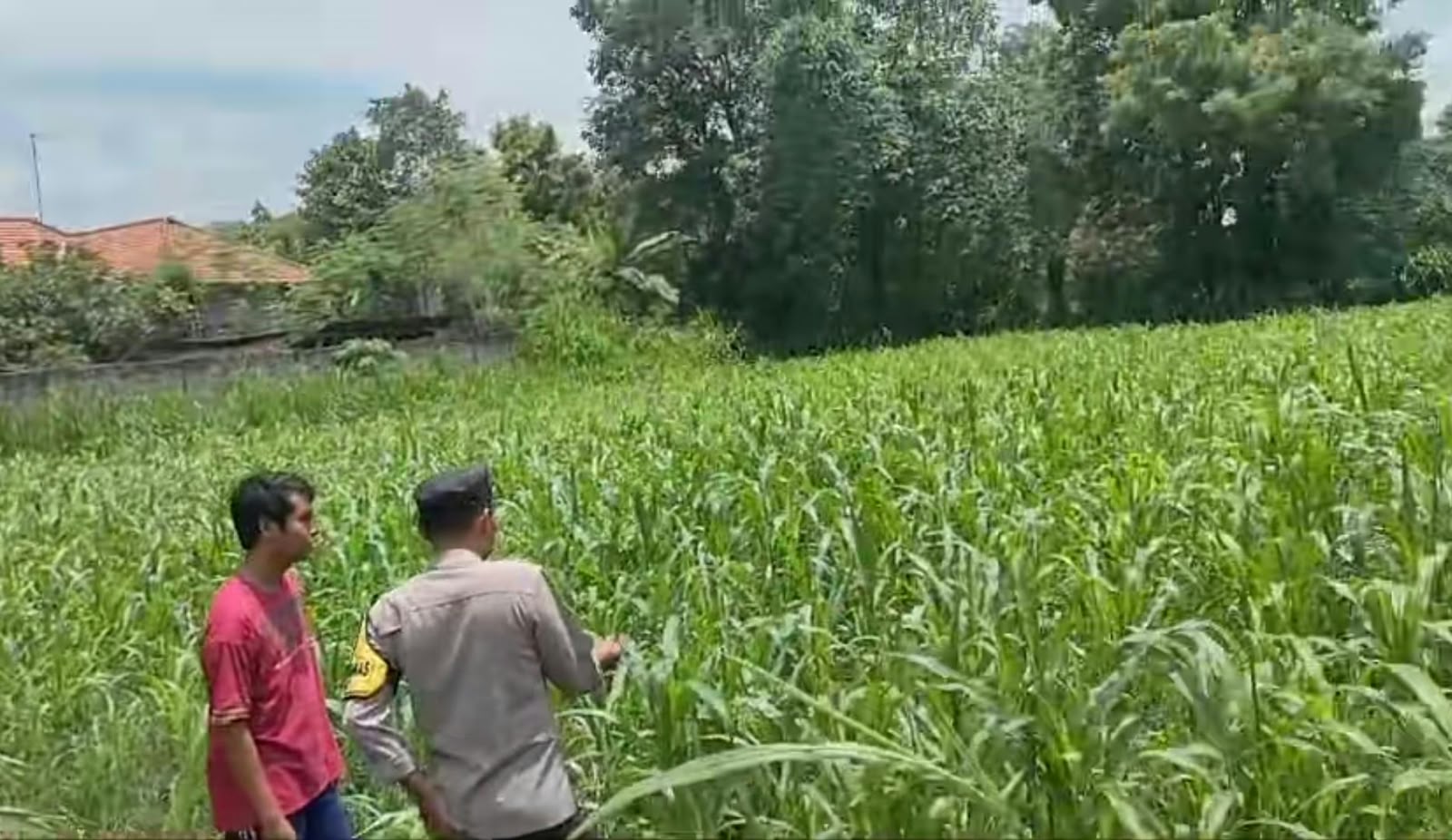
Polresta Pasuruan – Dalam mendukung Program Asta Cita Presiden Republik Indonesia, Bhabinkamtibmas Desa Karanglo, Kecamatan Grati, Polsek Grati, Polres Pasuruan Kota Polda Jawa Timur melaksanakan kegiatan sambang sekaligus pengecekan lahan pekarangan bersama para petani di wilayah binaannya. Sabtu (29/8/2026).
Dalam kegiatan tersebut, Bhabinkamtibmas turun langsung bersama para petani untuk melakukan monitoring terhadap lahan yang dimanfaatkan untuk menanam jagung dan berbagai tanaman pangan lainnya.
Pengecekan dilakukan guna memastikan kondisi tanaman tumbuh dengan baik sekaligus memantau perkembangan budidaya di lapangan.
Selain melakukan monitoring, Bhabinkamtibmas juga berdialog secara langsung dengan para petani untuk mengetahui berbagai kendala yang dihadapi selama proses budidaya, mulai dari kondisi tanaman, perawatan, pemupukan, hingga kebutuhan yang dapat menunjang peningkatan hasil pertanian.
Kehadiran Bhabinkamtibmas di tengah para petani diharapkan dapat memberikan motivasi sekaligus mempererat hubungan kemitraan antara Polri dan masyarakat.
Pendampingan tersebut juga menjadi bentuk kepedulian Polri dalam mendorong masyarakat memanfaatkan lahan yang tersedia secara produktif.
Kapolsek Grati AKP H. Prasetyo Budiarto, S.H., M.Hum., menyampaikan bahwa pihaknya akan terus mendorong Bhabinkamtibmas untuk aktif melakukan pendampingan dan monitoring terhadap kegiatan pertanian di wilayah binaan.
“Bhabinkamtibmas merupakan ujung tombak Polri yang bersentuhan langsung dengan masyarakat. Kami terus mendorong anggota untuk hadir dan mendampingi para petani, sehingga perkembangan lahan dapat dipantau sekaligus mengetahui kendala yang dihadapi di lapangan,” ujar AKP H. Prasetyo.
Menurutnya, dukungan terhadap sektor pertanian merupakan bagian dari upaya bersama dalam memperkuat ketahanan pangan.
Melalui kegiatan sambang, monitoring, dan pendampingan tersebut, Polsek Grati Polres Pasuruan Kota berkomitmen untuk terus mendukung Program Asta Cita serta memperkuat ketahanan pangan melalui pemberdayaan masyarakat di bidang pertanian.
#astacita
#polrespasuruankota
#birosdmpoldajatim
#ketahananpanganpoldajatim
#polripresisi
#swasembadapangan
#swassembadajagung
#polisicintapetani
#astacitapresiden
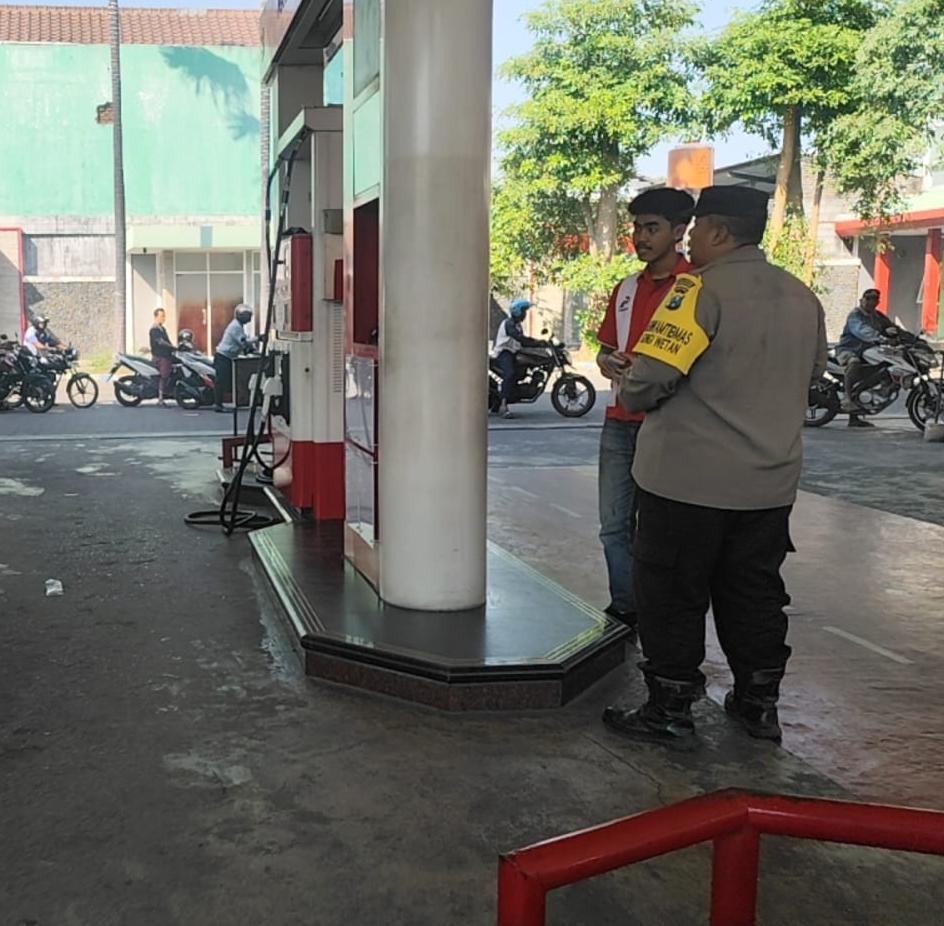
Polresta Pasuruan – Guna menjaga keamanan dan ketertiban masyarakat, personel Polsek Pohjentrek Polres Pasuruan Kota Polda Jawa Timur terus meningkatkan kegiatan patroli di wilayah hukumnya, termasuk menyambangi sejumlah SPBU yang menjadi salah satu lokasi dengan aktivitas masyarakat cukup tinggi. Sabtu (29/8/2026).
Dalam kegiatan tersebut, personel melaksanakan pemantauan situasi sekaligus dialogis bersama petugas SPBU.
Polsek Pohjentrek menyampaikan pesan-pesan kamtibmas dan mengimbau petugas untuk selalu meningkatkan kewaspadaan terhadap potensi aksi kriminalitas maupun gangguan kamtibmas lainnya.
Petugas SPBU juga diingatkan agar memperhatikan situasi di sekitar lokasi, khususnya terhadap aktivitas maupun orang yang mencurigakan.
Apabila menemukan adanya potensi gangguan keamanan, masyarakat diimbau segera berkoordinasi dengan pihak kepolisian dengan menghubungi call center 110 bebas biaya pulsa.
Kapolsek Pohjentrek AKP Sukresna, S.H., menyampaikan bahwa kegiatan patroli dan dialogis tersebut merupakan langkah preventif untuk menciptakan situasi yang aman dan kondusif.
“Patroli kami tingkatkan di sejumlah lokasi yang memiliki aktivitas masyarakat cukup tinggi, termasuk SPBU. Selain melakukan pemantauan, anggota juga berdialog dengan petugas untuk menyampaikan imbauan kamtibmas agar tetap waspada terhadap aksi kriminalitas dan gangguan keamanan lainnya,” ujar AKP Sukresna.
Melalui patroli dan dialogis secara rutin, Polsek Pohjentrek berkomitmen untuk terus hadir di tengah masyarakat guna mencegah terjadinya kriminalitas serta mewujudkan situasi kamtibmas yang aman, nyaman, dan kondusif di wilayah Kecamatan Pohjentrek.
-
 Berita3 tahun ago
Anggota Polsek Pohjentrek Rutin Patroli SPBU Serta Memberikan Himbauan ke Pembeli dan Petugas
-
 Berita4 tahun ago
Ajak Anggotanya Tingkatkan Harkamtibmas, Kapolsek Purworejo Gelar Coffe Morning
-
 Berita4 tahun ago
Langkah Kompolnas dan Divisi Humas Polri Bangun Sinergitas Berikan Pelayanan Terbaik Kepada Masyarakat
-
 Berita3 tahun ago
Jelang Libur Nataru, Polres Probolinggo Pastikan Keamanan dan Kenyamanan Obyek Wisata
-
 Berita2 tahun ago
Bhabinkamtibmas Polsek Purworejo Lakukan Pengamanan Jalan Santai Peringatan HUT Ke-79 Republik Indonesia
-
 Berita3 tahun ago
Polsek Grati Patroli Antisipasi Kamtibmas Jelang Idul Fitri
-
 Berita3 tahun ago
Dengan Sinergitas, Polres Pasuruan Kota Sukseskan Pengamanan Tour de Pasuruan dan Suropati Race IV 2023
-
 Berita3 tahun ago
Bhabinkamtibmas Polsek Grati Dialogis Dengan Masyarakat Desa Binaan Ciptakan Keamanan