
Berita
Patroli Polsek Gadingrejo Berikan Himbauan Kepada Scurity Perumahan


Polresta Pasuruan – Dalam rangka menjaga kondusifitas kamtibmas di wilayah Polsek Gadingrejo Polres Pasuruan Kota Polda Jawa Jatim melakukan patroli di Perumahan KBKA Kel. Gentong Kec. Gadingrejo Kota Pasuruan, Senin (9/1/2023).
Patroli Samapta Polsek Gadingrejo yang diawaki oleh Aipda Dedy dan Aipda Agus rutin melaksanakan patroli guna menjaga situasi tetap aman dan kondusif serta mencegah terjadinya tindak pidana maupun gangguan kamtibmas lainya.
Seperti terlihat saat patroli dialogis menemui scurity Perumahan KBKA seraya menyampaikan, agar ikut berperan aktif dalam menjaga keamanan lingkungan perumahan, tetap waspada terhadap segala bentuk tindak kejahatan, apabila terjadi kerawanan kamtibmas segera melaporkan petugas dilapangan untuk segera ditindak lanjuti, selain itu agar senantiasa tetap disiplin prokes guna mencegah penyebaran covid19, pesannya
security Perumahan KBKA menyambut baik kegiatan patroli yang dilakukan Polsek Gadingrejo.
Terimakasih atas kehadirannya sehingga kami merasa aman dan nyaman, siap untuk ikut peran aktif dalam menjaga keamanan sekitar lingkungan perumahan dan segera melapor jika terjadi gangguan kamtibmas, ucapnya.
Ditempat terpisah Kapolsek Gadingrejo Kompol Tribowo Sulaksono, SH. MH menyampaikan terimakasih kepada seluruh jajaran yang sudah aktif memberikan pelayanan kepada masyarakat, tingkatkan patroli dan sambang kewilayahan guna menjalin kemitraan dengan warga, Toga dan Tomas yang ada diwilayah untuk menciptakan kondusifitas Kamtibmas.


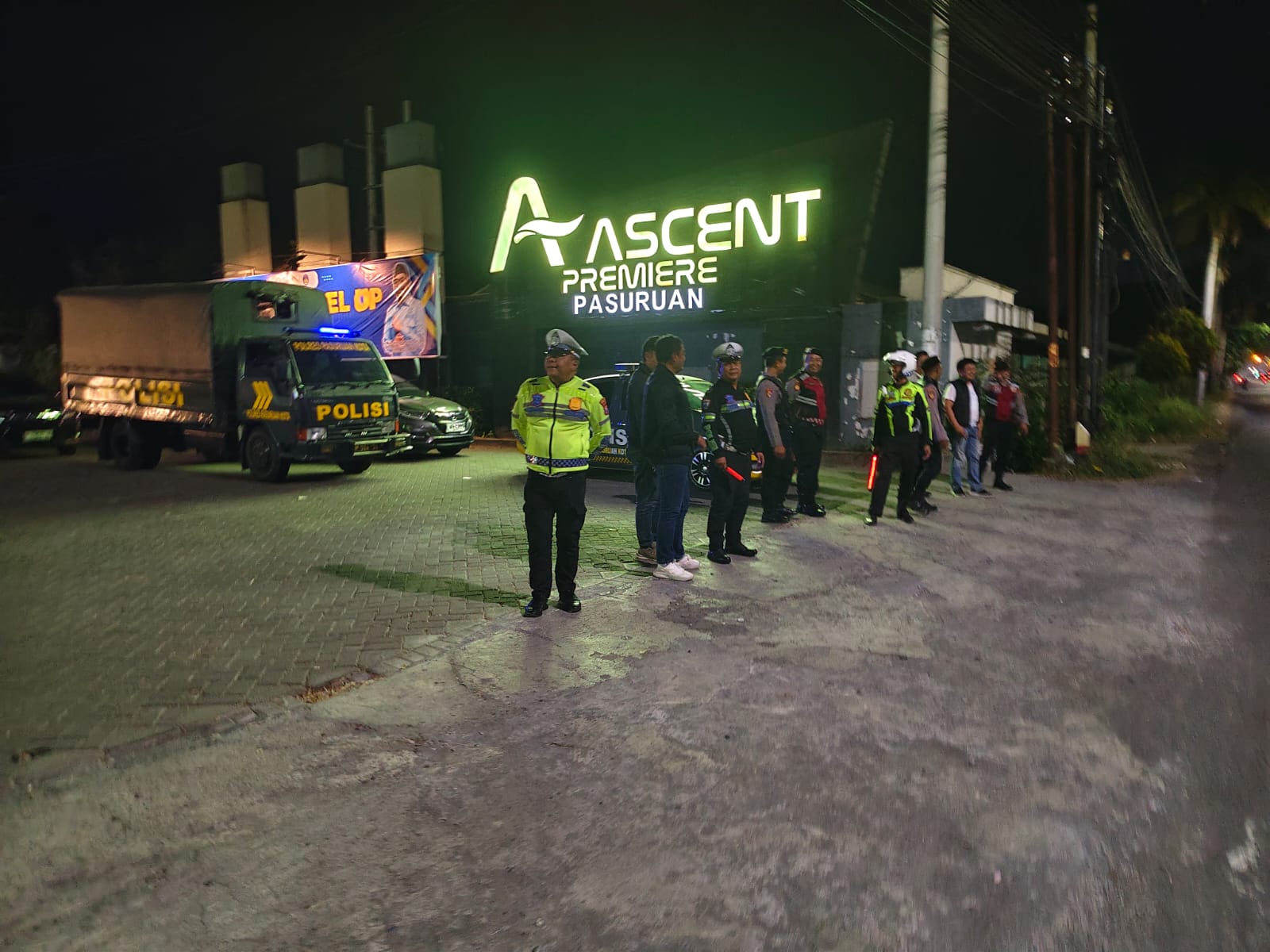
Polresta Pasuruan – Polres Pasuruan Kota Polda Jatim bersama Polsek jajaran terus mengintensifkan Patroli Paskot SAE hingga dini hari sebagai langkah preventif untuk mengantisipasi aksi balap liar dan berbagai gangguan kamtibmas di wilayah Kota Pasuruan. Minggu dini hari (30/8/2026).
Patroli menyasar sejumlah titik yang dinilai rawan terjadinya gangguan keamanan maupun lokasi yang kerap menjadi tempat berkumpulnya anak muda. Kehadiran personel di lapangan diharapkan dapat mencegah terjadinya aksi balap liar serta memberikan rasa aman dan nyaman kepada masyarakat.
Selain melakukan pemantauan, personel juga berdialog dengan masyarakat dan para remaja yang ditemui. Anggota menyampaikan imbauan agar tidak melakukan balap liar maupun aktivitas lain yang dapat membahayakan keselamatan diri sendiri dan pengguna jalan lainnya.
Kabag Ops Polres Pasuruan Kota Kompol Miftaful MBK, S.H., M.H., mengatakan bahwa kegiatan Patroli Paskot SAE akan terus ditingkatkan, khususnya pada jam-jam rawan.
“Patroli Paskot SAE merupakan langkah preventif untuk mengantisipasi balap liar dan gangguan kamtibmas lainnya. Kami ingin memastikan masyarakat dapat beraktivitas dan beristirahat dengan aman dan nyaman,” ujar Kompol Miftaful.
Ia juga mengajak masyarakat, khususnya para orang tua, untuk ikut mengawasi anak-anaknya agar tidak terlibat dalam kegiatan yang dapat membahayakan diri maupun mengganggu ketertiban umum.
Masyarakat yang mengetahui adanya aksi balap liar atau gangguan kamtibmas lainnya diimbau segera melapor melalui Call Center 110 atau kantor kepolisian terdekat, sehingga dapat segera ditindaklanjuti oleh petugas.
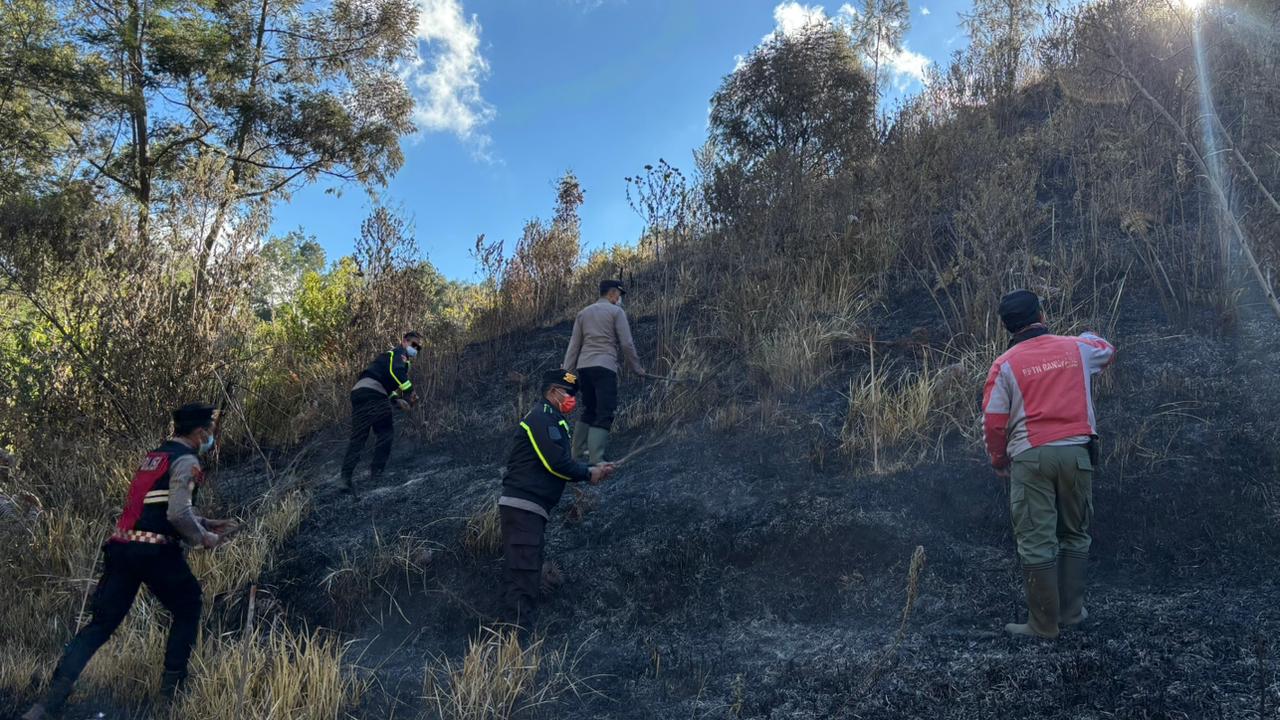
LUMAJANG – Polres Lumajang Polda Jawa Timur bersama tim gabungan begerak cepat melakukan upaya pemadaman kawasan Ranu Kembang Lumajang.
Kebakaran hutan dan lahan (karhutla) yang melanda kawasan Taman Nasional Bromo Tengger Semeru (TNBTS) di Kabupaten Lumajang tersebut terpantau belum sepenuhnya padam hingga Minggu (30/8/2026).
Dengan alat manual, puluhan personel Polres Lumajang Polda Jatim bersama petugas gabungan melakukan upaya penyekatan dan pemadaman api secara manual mengingat medan yang terjal serta tebing curam.
Kapolres Lumajang AKBP Riki Yariandi mengatakan, dua titik api di kawasan Ranu Kembang Gunung Semeru yang menyebabkan Karhutla tersebut diketahui terjadi sejak Rabu (26/8/2026) sekitar pukul 15.00 WIB.
“Terdapat dua lokasi titik api di kawasan Ranu Kembang tepatnya di Blok Ayek-Ayek, serta kawasan Ledok Bedor yang berada di perbatasan Desa Argosari dan Desa Ranupani,” terang AKBP Riki, Minggu (30/8/2026).
Menurut AKBP Riki dua lokasi karhutla tersebut kini menjadi fokus penanganan petugas. Di kawasan Ledok Bedor, api terpantau berada di tiga titik berada di arah Jantur menuju kawasan B29.
“Untuk api di dua lokasi sampai saat ini masih menyala dan belum padam. Upaya pemadaman masih terus dilakukan oleh petugas gabungan,” jelasnya.
AKBP Riki mengatakan, di Ledok Bedor petugas menghadapi medan terjal, angin, serta lokasi kebakaran yang terbagi menjadi tiga titik.
“Petugas harus menunggu satu titik api padam sebelum dapat melanjutkan penanganan ke titik berikutnya,” ujar AKBP Riki.
Upaya yang dilakukan petugas saat ini selain pemadaman juga membuat sekat untuk menghambat pergerakan api.
“Proses pemadaman dilakukan secara manual menggunakan batang atau ranting pohon untuk memukul api yang membakar vegetasi,” tambah AKBP Riki.
Kapolres Lumajang mengungkapkan, medan yang berat menjadi salah satu kendala utama di kawasan Ranu Kembang yang sulit dijangkau.
“Kondisi di Ranu Kembang cukup sulit dijangkau. Api juga terus membesar, sehingga petugas terkendala untuk menuju lokasi,” ujar AKBP Riki.
Di tengah penanganan karhutla, sebanyak 172 pendaki yang sebelumnya berada di kawasan Ranu Kumbolo telah berhasil dievakuasi. Seluruh pendaki dilaporkan dalam kondisi selamat.
“Sebanyak 172 pendaki dari Ranu Kumbolo sudah berhasil dievakuasi dalam keadaan selamat. Untuk jalur pendakian saat ini dinyatakan ditutup total,” tegas AKBP Riki. (*)
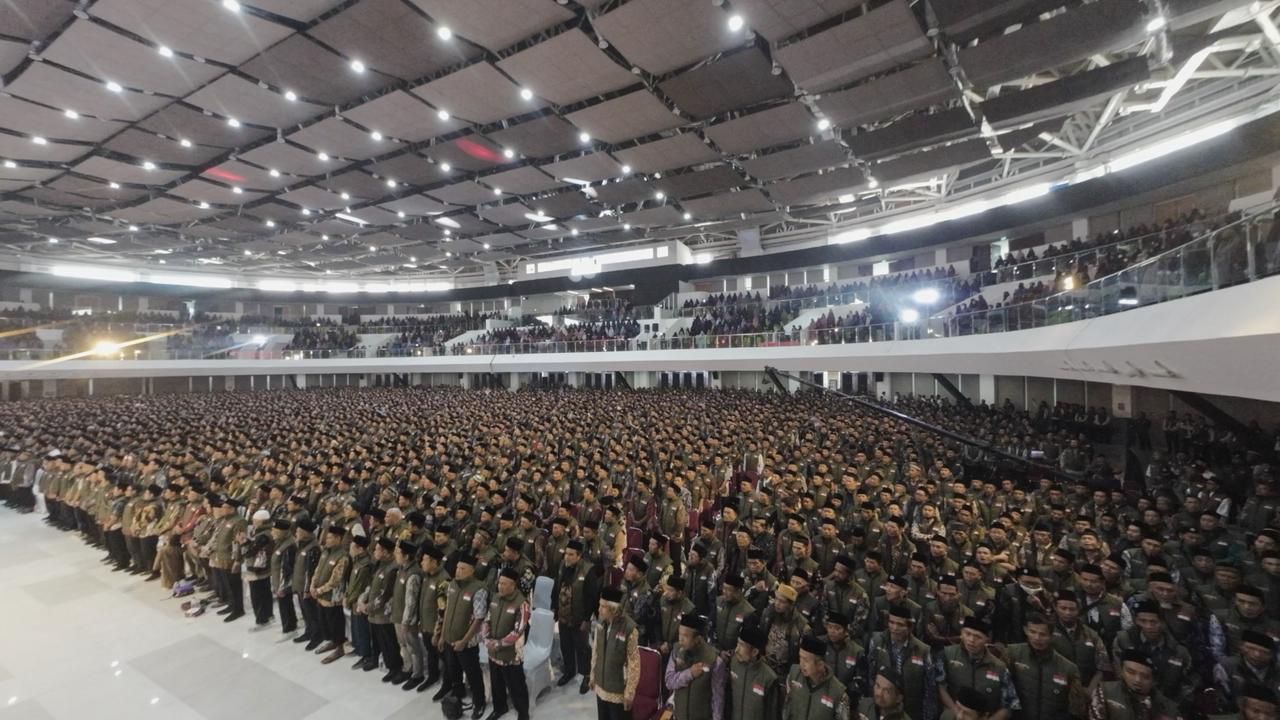
Solo – Keluarga besar *Garda Satya NKRI* menyatakan kesiapan untuk terus memberikan pengabdian terbaik bagi masyarakat, bangsa, dan negara dengan semangat *“Satya Haprabu”*.
Semangat tersebut mengemuka dalam kegiatan *Syukuran Kemerdekaan RI Ke-81 dan Silaturahmi Kapolri dengan Garda Satya NKRI* bertema *“Bersama Umat Membangun Indonesia”* di Solo, Minggu (30/8/2026).
Garda Satya NKRI merupakan wadah bagi mantan anggota dan simpatisan Jamaah Islamiyah (JI) yang telah *meneguhkan komitmen kebangsaan, menyatakan ikrar setia kepada Negara Kesatuan Republik Indonesia (NKRI)*, serta berkomitmen mengambil peran positif sebagai bagian dari barisan terdepan dalam memelihara Kamtibmas dan menjaga keutuhan NKRI di bawah koordinasi Polri.
Semangat *“Satya Haprabu”* menjadi cerminan tekad Garda Satya NKRI untuk menjaga komitmen kebangsaan dan mengarahkan semangat pengabdian pada berbagai kegiatan yang memberikan manfaat nyata bagi masyarakat.
Kapolri Jenderal Polisi Drs. Listyo Sigit Prabowo, M.Si., dalam kesempatan tersebut menekankan bahwa *setiap anak bangsa memiliki ruang dan kesempatan untuk berperan serta membangun masa depan Indonesia*.
“Kita memiliki rumah bersama bernama NKRI, dengan pintu yang selalu terbuka bagi setiap anak bangsa untuk berperan dan berjuang menata kembali langkah, serta membangun masa depan bangsa,” ujar Kapolri.
Menurut Kapolri, komitmen terhadap NKRI perlu diwujudkan melalui berbagai kontribusi positif, mulai dari *menjaga Kamtibmas, merawat persatuan, hingga mendukung kegiatan sosial, kemanusiaan, serta pemberdayaan masyarakat*.
Garda Satya NKRI juga didorong untuk terus mengembangkan perannya melalui berbagai kegiatan produktif, termasuk penguatan ekonomi keluarga, ketahanan pangan, kewirausahaan, serta kegiatan sosial kemasyarakatan.
Kapolri berharap semangat dan kekompakan keluarga besar Garda Satya NKRI dapat menjadi *kekuatan positif yang memberikan manfaat semakin luas bagi masyarakat*.
Komitmen tersebut sejalan dengan tema *“Bersama Umat Membangun Indonesia”*, yang menegaskan bahwa pembangunan bangsa membutuhkan kebersamaan dan partisipasi seluruh elemen masyarakat.
Kapolri juga menegaskan bahwa *Polri akan terus menjaga kebersamaan dan mendampingi keluarga besar Garda Satya NKRI dalam setiap langkah positif ke depan*.
“Karena bagi saya, persaudaraan yang telah kita bangun bukanlah persaudaraan sesaat, melainkan *saduluran saklawase*, persaudaraan yang senantiasa kita jaga dalam memberikan pengabdian kepada masyarakat, bangsa dan negara,” kata Kapolri.
Dengan semangat *“Satya Haprabu”*, Garda Satya NKRI diharapkan terus memperkuat komitmen kebangsaan serta menghadirkan pengabdian nyata bagi masyarakat, sekaligus ikut menjaga persatuan dan keutuhan NKRI.
-
 Berita3 tahun ago
Anggota Polsek Pohjentrek Rutin Patroli SPBU Serta Memberikan Himbauan ke Pembeli dan Petugas
-
 Berita4 tahun ago
Ajak Anggotanya Tingkatkan Harkamtibmas, Kapolsek Purworejo Gelar Coffe Morning
-
 Berita4 tahun ago
Langkah Kompolnas dan Divisi Humas Polri Bangun Sinergitas Berikan Pelayanan Terbaik Kepada Masyarakat
-
 Berita3 tahun ago
Jelang Libur Nataru, Polres Probolinggo Pastikan Keamanan dan Kenyamanan Obyek Wisata
-
 Berita2 tahun ago
Bhabinkamtibmas Polsek Purworejo Lakukan Pengamanan Jalan Santai Peringatan HUT Ke-79 Republik Indonesia
-
 Berita3 tahun ago
Polsek Grati Patroli Antisipasi Kamtibmas Jelang Idul Fitri
-
 Berita3 tahun ago
Dengan Sinergitas, Polres Pasuruan Kota Sukseskan Pengamanan Tour de Pasuruan dan Suropati Race IV 2023
-
 Berita3 tahun ago
Bhabinkamtibmas Polsek Grati Dialogis Dengan Masyarakat Desa Binaan Ciptakan Keamanan