
Berita
Kapolri Akan Tambah Polda dan Personel Di Daerah Otonomi Baru


Papua Barat – Kapolri Jenderal Listyo Sigit Prabowo menyebut akan menambah Polda dan merekrut personel Kepolisian di seluruh wilayah Daerah Otonomi Baru (DOB).
Hal itu disampaikan Kapolri usai kegiatan pengarahan kepada prajurit TNI-Polri Satgas Ops wilayah Sorong yang merupakan rangkaian kunjungan kerjanya di Tanah Papua bersama Panglima TNI Laksamana Yudo Margono beserta Kepala Staf Angkatan Darat, Angkatan Laut dan Angkatan Udara, Rabu, 11 Januari 2023.
“Saya kira konsep Polri pengembangannya menyesuaikan pengembangan kota pemerintahan. Sehingga, dengan adanya penambahan lima wilayah DOB tentunya Polri persiapkan untuk di wilayah pemekaran tersebut yang nantinya di ibu kota provinsi akan ada Polda Baru kita siapkan,” kata Sigit.
Menurut Sigit, untuk menyesuaikan dengan kebutuhan pembentukan Polda baru di wilayah DOB, pihaknya juga akan melakukan rekrutmen untuk menambah jumlah personel untuk melindungi, mengayomi dan melayani masyarakat setempat.
“Dan tentunya untuk mengisi perkuatan dari polda tersebut, kita harus mempersiapkan dari mulai pangkat Bintara dengan melakukan rekrutmen-rekrutmen tambahan, maupun rekrutmen khusus,” ujar Sigit.
Disisi lain, dengan adanya penambahan tersebut, Sigit menyatakan bahwa, hal itu juga dapat dijadikan kesempatan maupun ruang bagi seluruh personel kepolisian khususnya orang asli Papua untuk mendapatkan posisi yang strategis.
“Dan tentunya ini juga kesempatan bagi yang lain mengisi posisi-posisi di middle manager yang nanti kita siapkan. Semuanya nanti tentunya akan kita sesuaikan dengan proses dari pengembangan ibu kota provinsi itu sendiri,” ucap Sigit.
Sementara itu, Panglima TNI Laksamana Yudo Margono menegaskan bahwa, TNI-Polri akan terus bersinergi menjaga dan mempertahankan kedaulatan di seluruh wilayah Negara Kesatuan Republik Indonesi (NKRI).
“Bahwa sinergitas TNI-Polri sudah tidak perlu diragukan dan mereka di bawah melaksanakan tugas harus bersinergi menjaga kedaulatan dan mempertahankan NKRI, melindungi segenap bangsa, masyarakat, tumpah darah ini dari segala macam gangguan, rintangan, hambatan. Sehingga dengan TNI-Polri sebagai garda terdepan dan benteng terakhir kedaulatan negara dapat bersama-sama menjaga dengan sinergi TNI-Polri,” papar Yudo dikesempatan yang sama.
Dengan TNI-Polri bersinergi, kata Yudo, semua program pembangunan maupun kebijakan di wilayah DOB akan berjalan dengan lancar. Sehingga, program pemerintah untuk meningkatkan kesejahteraan di wilayah Papua khususnya dapat terlaksana dengan aman dan kondusif.
“Mengawal dan menjaga bersama sama dengan Pemda. Menjaga keamanan serta keselamatan masyarakat supaya yang sudah diputuskan otonomi baru terlaksana dengan baik,” tutup Yudo.

Berita
Karhutla Bromo: Api Mengarah ke Ngadisari, Polres Probolinggo Gerak Cepat Padamkan Api di Blok Seruni

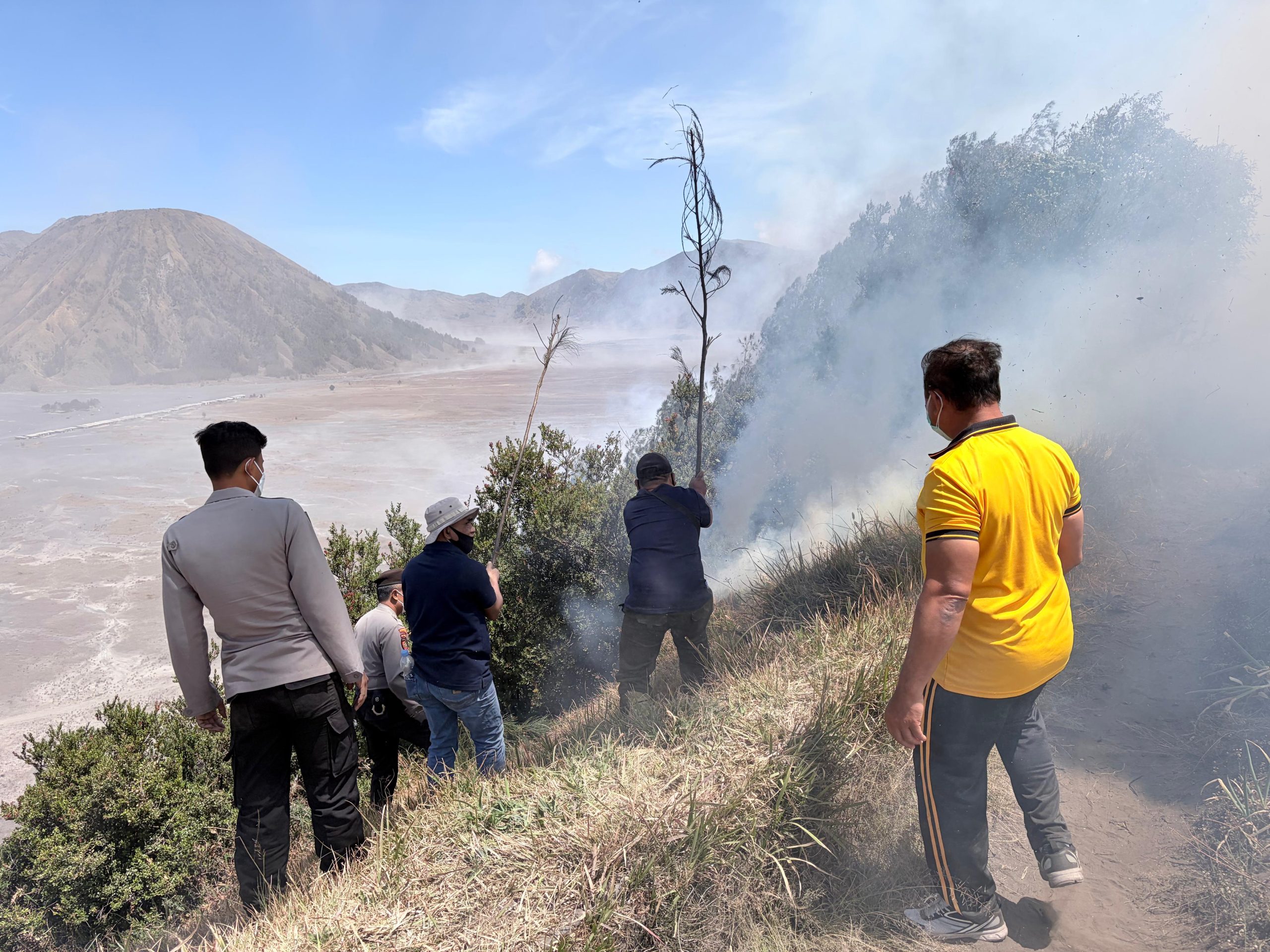
PROBOLINGGO — Merespons cepat ancaman kebakaran yang kembali membakar kawasan Taman Nasional Bromo Tengger Semeru (TNBTS), Polres Probolinggo Polda Jatim langsung mengerahkan pasukan penuh ke Seruni, Cemoro Lawang, Sukapura, Kamis (27/8/2026) dini hari.
Langkah taktis ini diambil setelah dua titik api terpantau merembet tepat di bawah kawasan Jembatan Kaca, memaksa kepolisian mengambil tindakan darurat demi mencegah bencana lingkungan yang lebih besar.
Dengan alat manual, sejumlah personel Polres Probolinggo Polda Jatim bertaruh waktu melokalisir dua titik api membara yang bergerak cepat mengancam ikon wisata Jembatan Kaca di Blok Seruni, Desa Ngadisari.
Peristiwa tersebut diketahui terjadi sekitar pukul 03.00 WIB. Lokasi kebakaran berada di bawah Jembatan Kaca, tepatnya di kawasan Blok Seruni, yang masuk dalam wilayah TNBTS.
Kapolres Probolinggo AKBP Asmida Rizki Siregar mengatakan, dari pantauan di lapangan terdapat dua titik api.
“Saat ini terdapat dua titik api yang terpantau dan arahnya menuju kawasan Jembatan Kaca di Desa Ngadisari,” ujar AKBP Rizki.
Menurut Kapolres Probolinggo, pihaknya bersama instansi terkait akan terus melakukan pemantauan terhadap perkembangan titik api dan mengambil langkah cepat untuk mencegah kebakaran meluas.
“Kami terus berkoordinasi dengan pihak terkait dan melakukan upaya pemadaman serta pencegahan agar api tidak semakin meluas,” ungkap AKBP Rizki.
Ia mengimbau masyarakat dan wisatawan agar tidak melakukan aktivitas yang dapat memicu terjadinya kebakaran, khususnya di kawasan yang memiliki potensi rawan Karhutla.
“Jika menemukan adanya titik api atau kondisi yang berpotensi menimbulkan kebakaran, segera laporkan kepada petugas agar dapat ditangani dengan cepat,” pungkas AKBP Rizki.
Hingga saat ini, penanganan Karhutla masih terus dilakukan dengan mengedepankan keselamatan personel dan masyarakat serta upaya maksimal untuk mengendalikan penyebaran titik api. (*)
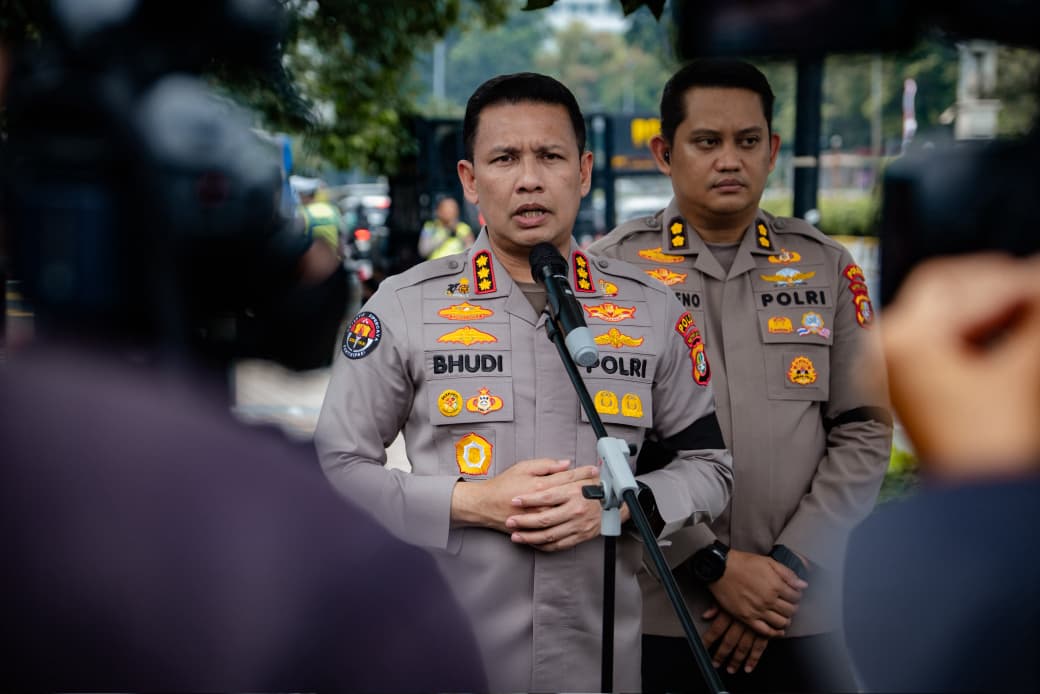
JAKARTA — Kegiatan penyampaian pendapat di sejumlah titik di Jakarta, Kamis (27/8/2026), hingga siang hari berlangsung aman, tertib, dan kondusif. Di tengah berlangsungnya kegiatan tersebut, aktivitas masyarakat di berbagai kawasan Ibu Kota juga tetap berjalan sebagaimana mestinya.
Di depan Gedung DPR/MPR RI, massa Aliansi Masyarakat Pati Bersatu (AMPB) telah menyampaikan aspirasi secara tertib. Perwakilan massa kemudian diterima untuk bertemu dengan pimpinan DPR RI. Usai pertemuan tersebut, massa secara bertahap meninggalkan lokasi dengan tertib.
Kabidhumas Polda Metro Jaya Kombes Pol. Budi Hermanto mengapresiasi seluruh pihak yang telah bersama-sama menjaga situasi tetap aman dan kondusif selama kegiatan berlangsung.
“Kami mengapresiasi masyarakat yang telah menyampaikan aspirasi secara tertib dan damai. Setelah perwakilan AMPB diterima oleh pimpinan DPR RI, massa secara bertahap meninggalkan lokasi dengan baik,” ujar Kombes Pol. Budi Hermanto.
Menurutnya, penyampaian pendapat merupakan bagian dari kehidupan demokrasi yang perlu terus dijaga pelaksanaannya agar berlangsung secara damai, tertib, dan saling menghormati.
“Perbedaan pandangan merupakan bagian dari demokrasi. Yang terpenting, setiap aspirasi dapat disampaikan dengan cara yang baik, tanpa provokasi, tanpa kekerasan, serta tetap menghormati hak masyarakat lainnya,” katanya.
Sementara itu, di sekitar kawasan DPR RI, pengaturan arus lalu lintas dilakukan secara situasional dengan menyesuaikan kondisi dan perkembangan di lapangan. Kepolisian juga tetap memberikan pelayanan dan pengamanan terhadap berbagai aktivitas masyarakat yang berlangsung secara bersamaan.
Kombes Budi mengimbau masyarakat untuk tetap tenang dan tidak mudah terpengaruh oleh informasi yang belum dapat dipastikan kebenarannya. Masyarakat juga diharapkan dapat bersama-sama menjaga situasi agar tetap kondusif serta menghindari tindakan yang berpotensi menimbulkan kesalahpahaman maupun gesekan.
“Jakarta adalah ruang bersama. Mari kita jaga dengan kedewasaan, kepedulian, dan semangat persatuan, sehingga setiap warga dapat menyampaikan pendapat sekaligus menjalankan aktivitas sehari-hari dengan aman dan nyaman,” pungkasnya.
Situasi kegiatan penyampaian aspirasi di Jakarta pada Kamis ini secara umum berlangsung kondusif, sejalan dengan pentingnya menjaga ruang demokrasi yang terbuka, tertib, dan menghormati kepentingan seluruh masyarakat.
-
 Berita3 tahun ago
Anggota Polsek Pohjentrek Rutin Patroli SPBU Serta Memberikan Himbauan ke Pembeli dan Petugas
-
 Berita4 tahun ago
Ajak Anggotanya Tingkatkan Harkamtibmas, Kapolsek Purworejo Gelar Coffe Morning
-
 Berita4 tahun ago
Langkah Kompolnas dan Divisi Humas Polri Bangun Sinergitas Berikan Pelayanan Terbaik Kepada Masyarakat
-
 Berita3 tahun ago
Jelang Libur Nataru, Polres Probolinggo Pastikan Keamanan dan Kenyamanan Obyek Wisata
-
 Berita2 tahun ago
Bhabinkamtibmas Polsek Purworejo Lakukan Pengamanan Jalan Santai Peringatan HUT Ke-79 Republik Indonesia
-
 Berita3 tahun ago
Polsek Grati Patroli Antisipasi Kamtibmas Jelang Idul Fitri
-
 Berita3 tahun ago
Dengan Sinergitas, Polres Pasuruan Kota Sukseskan Pengamanan Tour de Pasuruan dan Suropati Race IV 2023
-
 Berita3 tahun ago
Bhabinkamtibmas Polsek Grati Dialogis Dengan Masyarakat Desa Binaan Ciptakan Keamanan