
Berita
Fatmawati Ikhlaskan Kepergian Suaminya, Serahkan Semua Pada Kepolisian


Polresta Pasuruan – Meninggalnya DPO pelaku curanmor karena serangan jantung saat diamankan unit reskrim Polsek Nguling membuat ramai dibeberapa media.
Karena sebuah foto yang lebam membuat Istri (Fatmawati) berusaha mencari fakta jika suaminya Sukiadi telah dianiaya oleh Polisi yang membawanya pada saat itu, Sabtu (21/1/2023).
Namun dalam fakta yang ada, bahwa tersangka pada saat itu telah diperiksa dan divisum oleh Puskesmas Nguling dan menjadi dasar bagi Kepolisian untuk memastikan bahwa kematiannya karena serangan jantung.
Serangan jantung yang diderita oleh tersangka diamini oleh teman sekampungnya bernama Slamet yang menyatakan bahwa Sukiadi pernah mengeluh pada dirinya jika sering sakit dibagian dada (sering berdebar).
AKBP Jauhari yang telah mengetahui fakta tersebut, meminta Kapolsek Nguling AKP Miftaful untuk sambangi keluarga untuk sampaikan belasungkawa atas kejadian tersebut dan memberikan santunan kepada keluarga yang ditinggalkan serta berharap agar keluarga mengikhlaskan kepergian Sukiadi.
Gayungpun bersambut, dengan disaksikan oleh Perangkat Desa Wotgalih beserta keluarga yang pada hari ini, Jumat (27/1/2023) akhirnya Fatmawati mengikhlaskan kepergian suaminya dan menyerahkan semua kepada Kepolisian.
Dengan membacakan surat pernyataan bermaterai yang telah ditandatanganinya serta tidak menuntut pihak manapun, kini Fatmawati telah mengikhlaskan semua yang terjadi karena memang takdir Allah Swt.


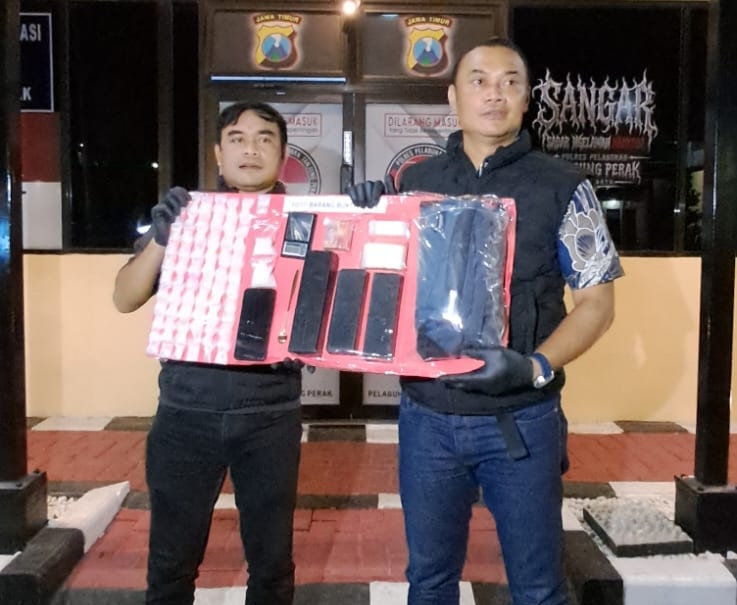
SURABAYA – Satuan Reserse Narkoba (Satresnarkoba) Polres Pelabuhan Tanjung Perak Polda Jawa Timur mengungkap peredaran narkotika di Benteng Dalam, Semampir, Surabaya.
Pengungkapan tersebut merupakan pengembangan penyelidikan Satresnarkoba Polres Pelabuhan Tanjung Perak atas kasus yang terungkap sebelumnya.
Dari pengungkapan ini Polisi mengamankan pemuda berinisial IRF (20 tahun) di sebuah rumah di kawasan Benteng Dalam pada Sabtu (15/8/2026) sekitar pukul 23.30 WIB.
Kasat Narkoba Polres Pelabuhan Tanjung Perak AKP Adik Agus Putrawan mengatakan, dari penangkapan tersebut petugas menemukan ratusan paket sabu siap untuk diedarkan.
“Petugas mengamankan tersangka IRF dan menemukan 672 plastik klip berisi narkotika jenis sabu dengan total kurang lebih 399,15 gram,” ujar AKP Adik, Senin (24/8/2026).
Berdasarkan hasil pemeriksaan, ratusan paket sabu tersebut merupakan milik seseorang bandar berinisial HSM yang saat ini masih dalam pencarian Polisi atau berstatus daftar pencarian orang (DPO).
Menurut AKP Adik, barang tersebut dititipkan kepada IRF untuk membantu menjual sabu sejak bulan September 2025 hingga 15 Agustus 2026.
“Tersangka biasanya menjalankan aktivitas menjual sabu mulai pukul 07.00 WIB hingga 23.00 WIB. Dari penjualan itu, IRF memperoleh upah Rp150 ribu dari HSM,” kata AKP Adik.
Dalam menjalankan aksinya, tersangka menawarkan sabu dalam beberapa paket. Polisi menemukan paket yang disebut sebagai “paket hemat” dengan kisaran harga Rp100 ribu.
Selain itu, terdapat paket seperempat dengan harga sekitar Rp.250 ribu dan paket setengah dengan harga sekitar Rp.400 ribu.
Selain narkotika, petugas menyita uang tunai sebesar Rp.3 juta dari hasil penjualan sabu yang belum disetorkan kepada HSM.
Selain mendapatkan upah, tersangka juga mengaku dapat mengonsumsi sabu tanpa harus membelinya.
Tersangka IRF dijerat dengan Pasal 114 ayat (2) Undang-Undang Nomor 35 Tahun 2009 juncto Undang-Undang Nomor 1 Tahun 2026 tentang Penyesuaian Pidana atau Pasal 609 ayat (2) huruf a Undang-Undang Nomor 1 Tahun 2023 tentang KUHP juncto Undang-Undang Nomor 1 Tahun 2026 tentang Penyesuaian Pidana.(*)
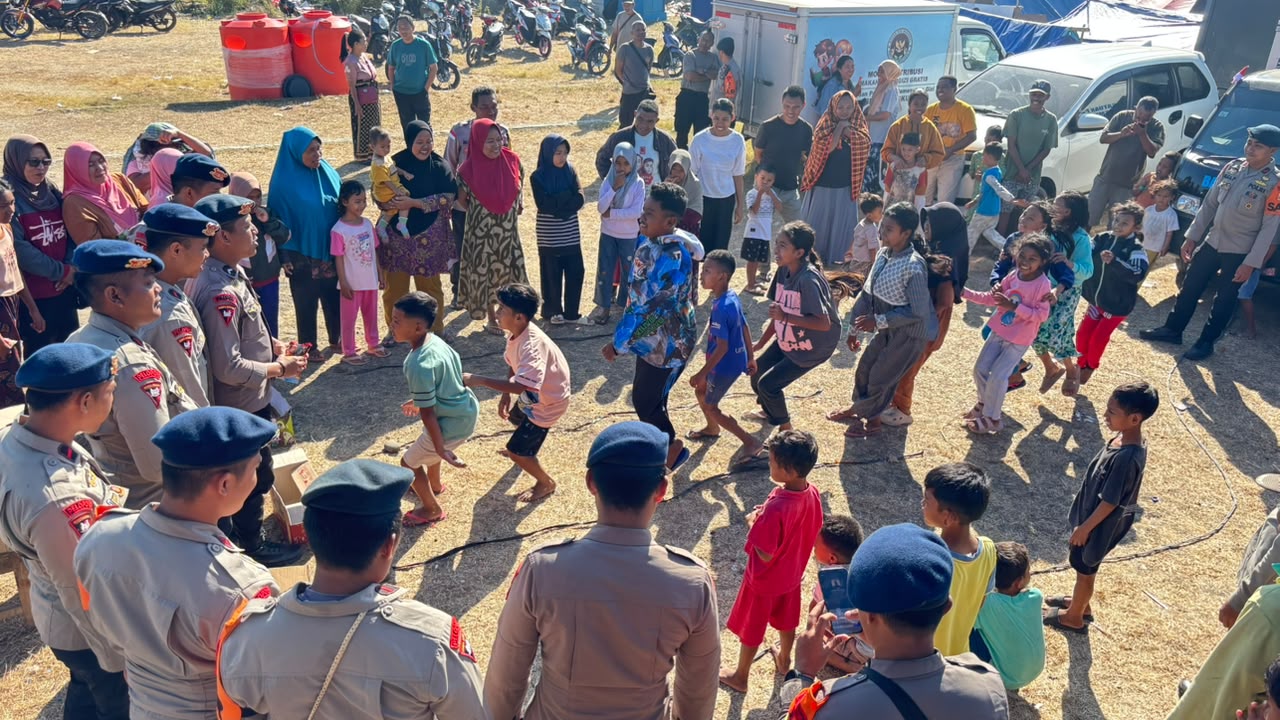
Manggarai, NTT — Upaya pemulihan masyarakat terdampak gempa bumi di Nusa Tenggara Timur terus dilakukan Korps Brimob Polri. Selain mendukung proses evakuasi, personel di lapangan memberikan pendampingan psikologis kepada anak-anak pengungsi serta pelayanan kesehatan bagi masyarakat.
Pada Minggu (23/8/2026), sebanyak 10 personel Korbrimob yang dipimpin AKP Roy Ronaldo Dansu melaksanakan trauma healing kepada anak-anak di Posko Pengungsian Barangkolong, Kecamatan Reo, Kabupaten Manggarai.
Kegiatan tersebut dikemas melalui permainan dan interaksi bersama anak-anak. Suasana berlangsung hangat dan penuh antusiasme. Pendampingan ini dilakukan untuk membantu menjaga kondisi psikologis sekaligus memulihkan semangat anak-anak setelah mengalami situasi akibat gempa bumi.
Antusiasme anak-anak terlihat sepanjang kegiatan. Sejumlah orang tua yang berada di lokasi turut memberikan tanggapan positif karena kegiatan tersebut memberikan ruang bagi anak-anak untuk kembali bermain dan berinteraksi secara positif di tengah suasana pengungsian.
Tidak hanya pendampingan psikologis, Brimob juga menghadirkan pelayanan kesehatan bagi masyarakat. Pada pukul 08.22 WITA, Tim Kesehatan Korbrimob yang dipimpin Iptu dr. David Yohan membagikan vitamin secara gratis kepada warga di Pasar TPI (Tempat Pelelangan Ikan), Kelurahan Mata Air, Kecamatan Reo, Kabupaten Manggarai.
Pelayanan tersebut menjadi bagian dari upaya menjaga kondisi kesehatan masyarakat selama masa pemulihan pascagempa, sekaligus memastikan warga tetap memperoleh perhatian dan dukungan di tengah aktivitas sehari-hari.
Di wilayah Kabupaten Manggarai Timur, dukungan kemanusiaan juga diwujudkan melalui kegiatan evakuasi barang berharga. Sebanyak 15 personel Satgas SAR Korbrimob Polri BKO Polda NTT di bawah pimpinan Ipda Ahmad Hariri melaksanakan evakuasi barang berharga di Desa Satar Padut, Kampung Nanga Lirang, Kecamatan Lamba Leda Utara.
Kegiatan tersebut dilakukan untuk membantu warga mengamankan barang-barang penting dari wilayah terdampak serta mengantisipasi risiko yang dapat muncul akibat kondisi bangunan dan lingkungan pascagempa.
Melalui kehadiran personel di tengah warga, Korps Brimob Polri terus berupaya memberikan rasa aman sekaligus mendukung proses pemulihan masyarakat terdampak gempa di Nusa Tenggara Timur.
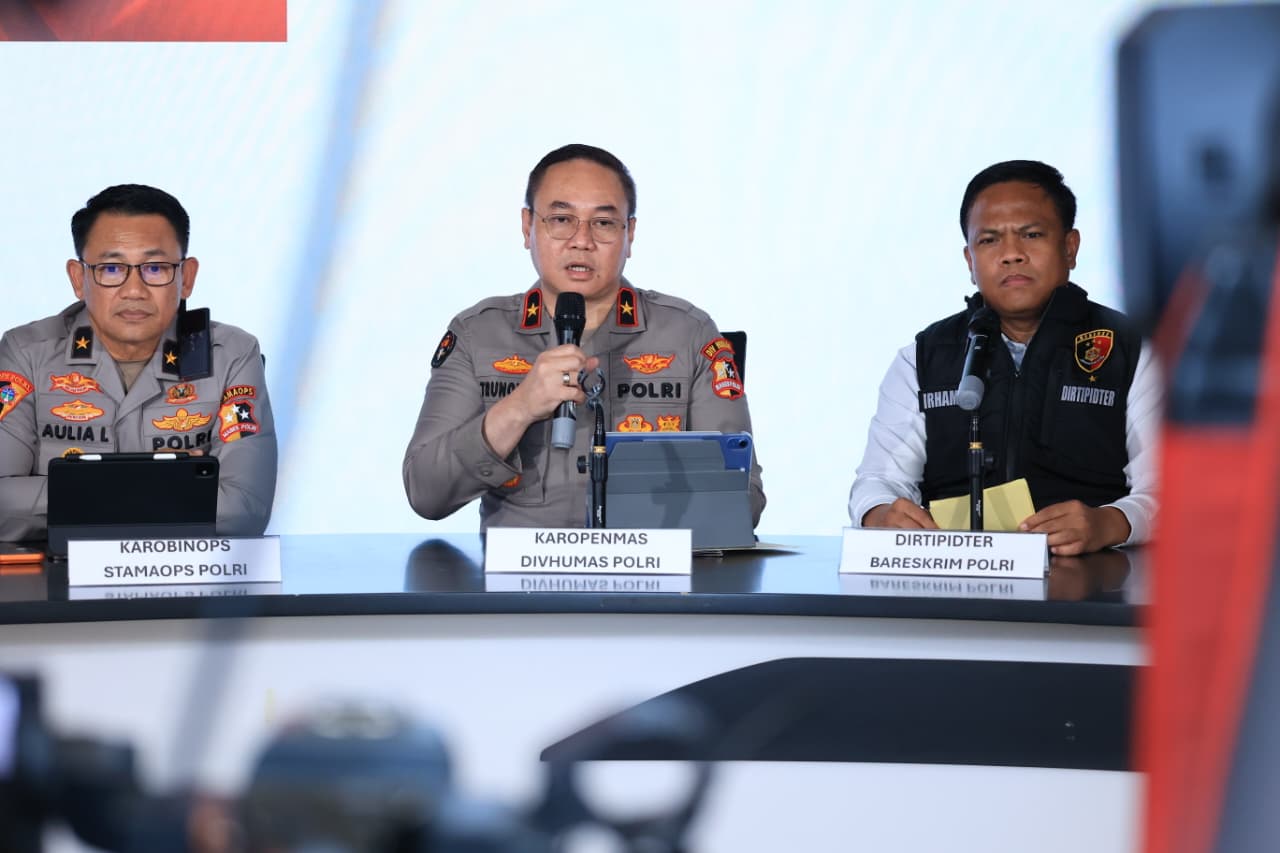
Jakarta — Polri memperkuat upaya pencegahan, penanganan, dan penegakan hukum terhadap kebakaran hutan dan lahan (karhutla) di tengah kondisi kemarau panjang dan fenomena El Nino. Langkah tersebut dilakukan melalui penguatan mitigasi sejak tahap prabencana, kesiapsiagaan personel dan sarana prasarana, hingga penindakan tegas terhadap pihak yang terbukti melakukan pembakaran.
Karo Penmas Divhumas Polri Brigjen Pol. Trunoyudo Wisnu Andiko mengatakan, penanganan karhutla tidak hanya berfokus pada pemadaman dan penegakan hukum, tetapi juga membangun kesadaran masyarakat untuk mencegah terjadinya kebakaran sejak dini.
“Yang kita harapkan dengan teman-teman media, khususnya kita bisa memberikan awareness, pengetahuan, kesadaran kepada masyarakat tentang pendekatan membangun kesadaran dan tindakan untuk melindungi lingkungan,” ujar Trunoyudo dalam konferensi pers di Jakarta, Minggu (23/8/2026).
Menurutnya, Polri bersama berbagai pemangku kepentingan telah melakukan langkah antisipasi berdasarkan arahan Presiden Prabowo Subianto dalam rapat terbatas pada 28 Juli 2026 terkait fenomena El Nino, cuaca ekstrem, serta ancaman karhutla.
Polri memperkuat mitigasi melalui pembaruan pemetaan wilayah rawan karhutla, verifikasi hotspot di lapangan, penguatan early warning system, serta patroli terpadu bersama TNI, Manggala Agni, pemerintah daerah dan masyarakat. Ratusan apel kesiapsiagaan dan kegiatan sosialisasi pencegahan juga telah dilakukan di berbagai wilayah.
Trunoyudo menegaskan, masyarakat perlu meningkatkan kewaspadaan terhadap aktivitas yang berpotensi memicu kebakaran, termasuk pembukaan lahan dengan cara membakar maupun pembakaran sampah.
“Yang kami sampaikan ini bukan sekadar hanya mitigasi karhutla dan penegakan hukum persoalan lingkungan saja, tapi juga awareness terhadap keselamatan masyarakat dan tentunya adalah perlindungan terhadap lingkungan sebagai suatu keberlanjutan dan kesejahteraan bagi kehidupan bangsa Indonesia,” tegasnya.
Sementara itu, Karo Binops Stamaops Polri Brigjen Pol. Auliansyah Lubis mengatakan, Polri telah melakukan persiapan menghadapi potensi karhutla sejak jauh sebelum memasuki puncak musim kemarau. Persiapan tersebut dilakukan melalui koordinasi lintas kementerian dan lembaga serta kesiapan personel hingga tingkat kewilayahan.
“Polri juga sudah melakukan kegiatan-kegiatan persiapan di seluruh wilayah. Jadi seluruh Satker, seluruh Polda sampai dengan jajaran Polres itu sudah melakukan persiapan,” ujar Auliansyah.
Menurut Auliansyah, kesiapan tersebut meliputi apel personel, pengecekan sarana prasarana, patroli darat dan udara menggunakan helikopter maupun drone, sosialisasi larangan membakar, pemetaan titik rawan, serta pembangunan infrastruktur pembasahan seperti embung, sekat kanal dan sumur bor.
Dalam respons terhadap titik panas, Polri menerapkan mekanisme deteksi dini melalui satelit maupun laporan masyarakat yang kemudian diverifikasi langsung di lapangan. Apabila ditemukan titik api, personel bersama stakeholder terkait segera melakukan pemadaman dan pendinginan sebelum dilanjutkan dengan proses penyelidikan apabila ditemukan dugaan tindak pidana.
“Respons ancaman titik api, Polri menerapkan SOP respons cepat dengan target satu sampai dua jam sejak satelit mendeteksi hotspot,” jelas Auliansyah.
Ia menambahkan, Polri juga menyiapkan kekuatan personel dan berbagai sarana pendukung untuk menangani karhutla, termasuk pompa air portabel, kendaraan taktis sarana karhutla, drone fire suppression, serta helikopter yang dapat digunakan untuk water bombing.
Dari sisi penegakan hukum, Dirtipidter Bareskrim Polri Brigjen Pol. Mohammad Irhamni menyampaikan bahwa sejak 1 Januari hingga 21 Agustus 2026, jajaran Polri telah menerbitkan 89 laporan polisi terkait dugaan tindak pidana karhutla di sembilan Polda, yakni Polda Riau, Kalimantan Barat, Sumatera Selatan, Jambi, Kalimantan Tengah, Kalimantan Selatan, Kalimantan Timur, Aceh, dan Kalimantan Utara.
Dari penanganan tersebut, Polri telah menetapkan 72 tersangka perorangan dengan total luas lahan terbakar dalam perkara yang ditangani mencapai 1.006,67 hektare.
Irhamni menjelaskan, sebagian besar perkara yang ditangani bermula dari pemantauan hotspot yang kemudian diverifikasi oleh petugas di lapangan. Apabila ditemukan titik api atau lahan terbakar, petugas terlebih dahulu melakukan pemadaman dan pendinginan untuk memastikan keselamatan personel. Setelah kondisi dinyatakan aman, penyidik melakukan olah tempat kejadian perkara dan mengumpulkan alat bukti untuk menentukan ada atau tidaknya unsur pidana.
Menurutnya, modus yang ditemukan dalam sejumlah perkara tersebut didominasi pembukaan lahan dengan cara sengaja membakar. Cara tersebut dipilih karena dinilai lebih murah dan ekonomis dibandingkan menggunakan metode pembukaan lahan lainnya.
“Sebagian besar modus operandi yang digunakan oleh para tersangka adalah membuka lahan dengan cara sengaja membakar agar biaya operasional kegiatan berkebun menjadi murah atau ekonomis,” ujar Irhamni.
Dalam praktiknya, lahan yang sebelumnya telah ditebang kemudian dibakar untuk membersihkan sisa vegetasi. Selain lebih murah, pembakaran juga dianggap memberikan keuntungan bagi pelaku karena abu hasil pembakaran dapat dimanfaatkan sebagai unsur yang menyuburkan tanah sebelum lahan digunakan untuk kegiatan perkebunan.
Irhamni menegaskan, alasan ekonomi tidak dapat menjadi pembenaran untuk melakukan pembakaran, terlebih dalam kondisi kemarau panjang dan El Nino yang membuat api lebih mudah meluas serta sulit dikendalikan.
“Alasan apa pun, alasan ekonomi, mudah, dan sebagainya, itu tetap tolong jangan dilakukan pembakaran di saat-saat seperti ini,” tegasnya.
Dalam proses penyidikan, Polri juga telah menyita berbagai barang bukti yang menguatkan dugaan adanya aktivitas pembakaran secara sengaja. Barang bukti tersebut antara lain 35 korek api, sejumlah botol dan jerigen berisi bahan bakar, 21 parang, dua kapak, cangkul, dua unit chainsaw, sampel tanah terbakar, bibit sawit, hingga batang kayu bekas terbakar.
Irhamni menegaskan bahwa pengakuan tersangka bukan menjadi satu-satunya dasar dalam menetapkan seseorang sebagai tersangka. Penyidik tetap mengedepankan alat bukti yang diperoleh melalui olah TKP, keterangan saksi, petunjuk, barang bukti, serta penelusuran transaksi keuangan.
“Pengakuan tidak menjadi utama yang mutlak, tetapi alat bukti-alat bukti yang harus kami cari,” jelasnya.
Karena itu, Bareskrim Polri tidak hanya mendalami pelaku yang berada di lapangan, tetapi juga menelusuri kemungkinan adanya pihak lain yang menyuruh, mendanai, atau memperoleh keuntungan dari aktivitas pembakaran tersebut. Penyidik akan mendalami aliran transaksi keuangan untuk mengetahui apakah pembakaran dilakukan atas kepentingan pribadi atau terdapat keterlibatan pihak lain, termasuk kemungkinan adanya korporasi.
“Ini tidak berhenti di sini. Tidak berhenti pada aktor lapangannya, tetapi kepentingan dari kegiatan pembakaran itu untuk apa, untuk siapa, itu pasti akan kami kejar sampai tuntas,” tegas Irhamni.
Ia mengatakan, sebagian besar tersangka yang telah ditetapkan sejauh ini merupakan individu yang mengaku melakukan pembakaran untuk kepentingan membuka lahan sendiri. Namun, penyidik tetap akan mengembangkan perkara berdasarkan fakta dan alat bukti yang ditemukan untuk memastikan ada atau tidaknya pihak lain yang terlibat.
“Baik korporasi ataupun individu akan kami lakukan pengejaran dan lakukan penegakan hukum secara tegas,” ujarnya.
Dalam penanganan perkara, Polri menerapkan mekanisme bertahap, mulai dari monitoring hotspot, verifikasi lapangan, pemadaman dan pendinginan, penyelidikan, hingga peningkatan status perkara ke tahap penyidikan apabila ditemukan peristiwa pidana. Selanjutnya dilakukan pemeriksaan saksi, penyitaan barang bukti dan penetapan tersangka.
Terhadap para pelaku, penyidik menerapkan sejumlah ketentuan pidana, antara lain Undang-Undang Kehutanan, Undang-Undang Perkebunan, Undang-Undang Perlindungan dan Pengelolaan Lingkungan Hidup, serta ketentuan dalam Kitab Undang-Undang Hukum Pidana.
Irhamni menegaskan bahwa penegakan hukum merupakan bagian dari upaya Polri untuk memberikan efek jera sekaligus mencegah terjadinya pembakaran berulang selama periode kemarau.
“Polri melakukan penegakan hukum terkait perkara kebakaran hutan dan lahan merupakan bagian dari komitmen untuk menjaga kelestarian lingkungan sekaligus memberikan kepastian hukum kepada masyarakat,” kata Irhamni.
Ia memastikan proses penegakan hukum akan terus dikembangkan secara profesional berdasarkan alat bukti. Polri tidak hanya akan mengejar pelaku pembakaran di lapangan, tetapi juga pihak yang menyuruh melakukan maupun pihak yang memperoleh keuntungan dari kejahatan tersebut.
“Kami akan terus mengejar semua pelaku atau orang yang menyuruh melakukan dan semua pihak yang memperoleh keuntungan atas kejahatan pembakaran hutan dan lahan tersebut,” tegasnya.
-
 Berita3 tahun ago
Anggota Polsek Pohjentrek Rutin Patroli SPBU Serta Memberikan Himbauan ke Pembeli dan Petugas
-
 Berita4 tahun ago
Ajak Anggotanya Tingkatkan Harkamtibmas, Kapolsek Purworejo Gelar Coffe Morning
-
 Berita4 tahun ago
Langkah Kompolnas dan Divisi Humas Polri Bangun Sinergitas Berikan Pelayanan Terbaik Kepada Masyarakat
-
 Berita3 tahun ago
Jelang Libur Nataru, Polres Probolinggo Pastikan Keamanan dan Kenyamanan Obyek Wisata
-
 Berita2 tahun ago
Bhabinkamtibmas Polsek Purworejo Lakukan Pengamanan Jalan Santai Peringatan HUT Ke-79 Republik Indonesia
-
 Berita3 tahun ago
Polsek Grati Patroli Antisipasi Kamtibmas Jelang Idul Fitri
-
 Berita3 tahun ago
Dengan Sinergitas, Polres Pasuruan Kota Sukseskan Pengamanan Tour de Pasuruan dan Suropati Race IV 2023
-
 Berita3 tahun ago
Bhabinkamtibmas Polsek Grati Dialogis Dengan Masyarakat Desa Binaan Ciptakan Keamanan