
Berita
Di Polresta Malang Kota, Suporter Singo Edan Berikan Doa dan Dukungan Penegakan Hukum


Kota Malang – Sejumlah orang yang tergabung dalam suporter singo edan Arema FC mendatangi Mapolresta Malang Kota pada Selasa Sore, (31/1/2023 )
Sekitar 50 orang suporter yang datang tersebut menggunakannya atribut khas berwarna biru yang identik dengan kelompok suporter Arema FC di terima langsung oleh Kapolresta Malang Kota Kombes Pol Budi Hermanto bersama jajaran di lobby Polresta Malang Kota
Maksud kedatangan kelompok suporter ini adalah untuk memberikan dukungan dan doa kepada Polresta Malang Kota dalam menangani permasalahan hukum perusakan dan penganiayaan di kantor Arema FC pada Minggu lalu, ( 29/1/2023 )
“Insiden Kanjuruhan adalah Tragedi kita semua, mari sama-sama introspeksi dan tetap bersatu dalam mengawal pengusutan tuntas Insiden Kanjuruhan” tutur Romo Suroso, salah satu tokoh yang turut hadir
Ia juga menyampaikan terimakasih dan mendukung Polresta Malang Kota atas penegakan hukum kepada pelaku kericuhan di Kantor Arema FC
Salah satu tokoh lain yang hadir yaitu Sam Udin juga turut memberikan dukungan dan doa kepada Polresta Malang Kota.
“Usut Tuntas tetap berjalan, namun kami meminta pelaku anarkis jangan di lepas ” pinta Sam Udin
Kapolresta Malang Kota yang menemui langsung perwakilan suporter yang hadir memberi ucapan Terimakasih atas dukungan dan doa untuk Polresta Malang Kota
“Terkait kejadian kemarin ( kericuhan di Kantor Arema FC ), kami siang tadi telah melaksanakan Press Release dan telah menetapkan 7 orang tersangka dimana proses hukum sesuai dengan perbuatan masing-masing pelaku” ujar Kombes Budi Hermanto
Kapolresta Malang Kota juga mengimbau kepada seluruh elemen suporter untuk sama-sama berkonstribusi dalam menjaga kondusifitas Kota Malang yang kita cintai ini. (*)

Berita
Polsek Keboncandi Gelar Patroli Dialogis Bersama Security Bank, Perkuat Keamanan dan Antisipasi Gangguan Kamtibmas

Berita
Polsek Kraton Gelar Patroli dan Monitoring di SPBU Pertamina 54.671.34, Antisipasi Kelangkaan BBM dan Jaga Kondusivitas Kamtibmas
Berita
Jelang Tradisi Petik Laut, Satpolairud Polres Pasuruan Kota Berikan Imbauan Keselamatan kepada Nelayan
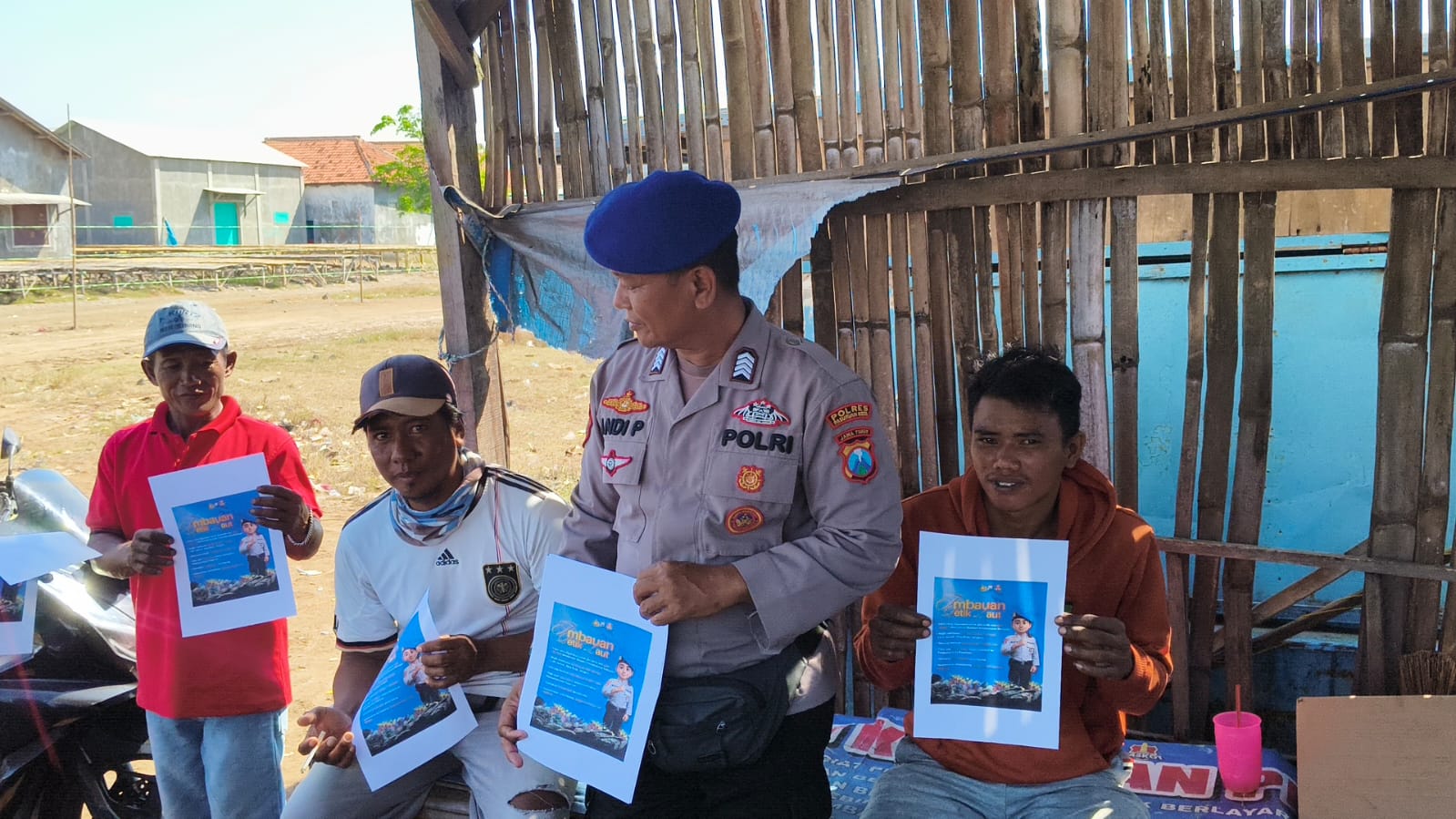
Polresta Pasuruan – Menjelang pelaksanaan tradisi Petik Laut, Satpolairud Polres Pasuruan Kota melaksanakan kegiatan imbauan keselamatan kepada para nelayan dan masyarakat pesisir di wilayah Ngemplakrejo, Kota Pasuruan, Jumat (26/6/2026).
Kegiatan tersebut dilaksanakan sekitar pukul 12.45 WIB sebagai bentuk langkah preventif kepolisian dalam mendukung kelancaran serta keselamatan masyarakat yang akan mengikuti tradisi Petik Laut.
Kasat Polairud Polres Pasuruan Kota AKP Edy Suseno, S.H. mengatakan, imbauan ini diberikan agar seluruh rangkaian kegiatan Petik Laut dapat berjalan aman, tertib, dan tetap mengutamakan keselamatan.
“Kami mengimbau kepada para nelayan dan masyarakat pesisir agar memastikan kapal yang digunakan benar-benar layak berlayar, membawa alat keselamatan, serta tidak mengangkut penumpang melebihi kapasitas kapal,” ujar AKP Edy Suseno.
Selain itu, Satpolairud juga mengingatkan para nahkoda kapal agar selalu memperhatikan kondisi cuaca sebelum berlayar. Apabila cuaca buruk, masyarakat diminta untuk tidak memaksakan diri melaut demi menghindari hal-hal yang tidak diinginkan.
“Keselamatan penumpang menjadi tanggung jawab penuh nahkoda kapal. Karena itu, kami minta seluruh pihak tetap waspada dan mematuhi imbauan yang telah disampaikan,” tambahnya.
Dalam kegiatan tersebut, personel Satpolairud Polres Pasuruan Kota juga mengajak masyarakat pesisir untuk bersama-sama menjaga situasi kamtibmas selama pelaksanaan tradisi Petik Laut berlangsung.
AKP Edy Suseno menegaskan bahwa kehadiran Satpolairud di tengah masyarakat pesisir merupakan bentuk pelayanan Polri dalam memberikan rasa aman, khususnya pada kegiatan masyarakat yang melibatkan aktivitas di perairan.
“Kami berharap tradisi Petik Laut ini dapat berjalan lancar, aman, dan menjadi kegiatan budaya masyarakat pesisir yang tetap mengedepankan keselamatan bersama,” pungkasnya.
Satpolairud Polres Pasuruan Kota juga mengimbau masyarakat pesisir agar segera menghubungi layanan darurat Kepolisian Call Center 110 apabila mengetahui adanya potensi gangguan kamtibmas, kecelakaan perairan, maupun kondisi darurat lainnya selama rangkaian tradisi Petik Laut berlangsung.
-
 Berita3 tahun ago
Anggota Polsek Pohjentrek Rutin Patroli SPBU Serta Memberikan Himbauan ke Pembeli dan Petugas
-
 Berita3 tahun ago
Ajak Anggotanya Tingkatkan Harkamtibmas, Kapolsek Purworejo Gelar Coffe Morning
-
 Berita3 tahun ago
Langkah Kompolnas dan Divisi Humas Polri Bangun Sinergitas Berikan Pelayanan Terbaik Kepada Masyarakat
-
 Berita3 tahun ago
Jelang Libur Nataru, Polres Probolinggo Pastikan Keamanan dan Kenyamanan Obyek Wisata
-
 Berita2 tahun ago
Bhabinkamtibmas Polsek Purworejo Lakukan Pengamanan Jalan Santai Peringatan HUT Ke-79 Republik Indonesia
-
 Berita3 tahun ago
Polsek Grati Patroli Antisipasi Kamtibmas Jelang Idul Fitri
-
 Berita3 tahun ago
Dengan Sinergitas, Polres Pasuruan Kota Sukseskan Pengamanan Tour de Pasuruan dan Suropati Race IV 2023
-
 Berita3 tahun ago
Bhabinkamtibmas Polsek Grati Dialogis Dengan Masyarakat Desa Binaan Ciptakan Keamanan