
Berita
Kapolda Jatim Sampaikan Terima Kasih atas Upaya Harkamtibmas di Kota Kediri


Kediri Kota – Kapolda Jatim Irjen Pol Dr.Toni Harmanto,MH menekankan pada seluruh personel di jajaran Polres Kediri Kota agar maksimal dalam menjaga Kamtibmas utamanya mencegah keributan dan tawuran anak anak muda.
Hal tersebut disampaikan Kapolda Jatim Irjen Pol Toni Harmanto saat melaksanakan kunjungan kerja (kunker) ke Polres Kediri Kota, pada Rabu (1/2/2023) pagi.
Menurut Kapolda Jatim, keributan atau tawuran anak muda terus berulang setiap tahun. Rata-rata keributan muncul karena mereka bergabung dalam komunitas yang berbeda.
Karena mereka masih pelajar dan berusia muda, emosinya gampang tersulut dan sulit dikendalikan.
“Apalagi membawa senjata tajam dan sebagainya. Kalau hal tersebut masuk pidana tetap akan diproses hukum,” beber Kapolda Jatim.
Tak hanya itu, Irjen Pol Toni Harmanto juga berterima kasih kepada Kapolres, Kabag, Kasat di jajaran Polres Kediri Kota yang aktif melakukan upaya – upaya menciptakan situasi Kamtibmas di wilayahnya.
Kapolda Jatim juga menegaskan, tidak boleh terjadi tawuran di setiap konvoi atau acara komunitas anak muda.
“Saya sampaikan terima kasih atas masukannya dan kami akan menyikapinya,” lanjut Kapolda.
Selain itu Irjen Pol Toni Harmanto dalam sambutannya juga menyampaikan, kunjungan kerja (kunker) kali ini merupakan agenda ke sebelas di polres-polres yang ada di wilayah Jawa Timur.
Tujuannya untuk bersilaturahmi dan tatap muka secara langsung dengan anggota yang ada di jajaran termasuk Polres Kediri Kota. Agar bisa berdialog interaktif serta mendengar masukan-masukan dari anggota yang ada di jajaran.
Sementara itu, Kapolres Kediri Kota AKBP Teddy Chandra menyampaikan ada delapan kecamatan yang masuk di wilayah hukum Polres Kediri Kota.
“Lima wilayah Kabupaten Kediri yakni Kecamatan Mojo, Semen, Banyakan, Grogol, dan Tarokan. Kami siap menerima arahan dari jenderal (Kapolda Jatim),”ungkap AKBP Teddy Chandra.
Dalam kesempatan tersebut AKBP Teddy Chandra juga menjelaskan penanganan Covid-19, vaksinasi, hingga memperkenalkan masing-masing pejabat utama Polres Kediri Kota, Kabag, Kasat, maupun Kapolsek Jajaran.
“Apa yang menjadi kesulitan maupun keinginan dan sebagainya di Polres Kediri Kota selama ini belum terakomodir bisa disampaikan,” ucapnya.
Lebih lanjut, Teddy mengatakan, situasi Kamtibmas di wilayah hukum Polres Kediri sampai saat ini kondusif. Merupakan hasil sinergitas dari personel TNI, pemerintah maupun semangat seluruh personel Polres Kediri Kota.
Sementara itu Kapolsek Mojoroto Kompol Mukhlason saat meminta arahan atau masukan kepada Kapolda Jawa Timur menyampaikan bahwa beberapa bulan terakhir ada kegiatan konvoi perguruan pencak silat di Kediri.
“Kami juga lakukan deklarasi dengan perguruan silat bersama dengan Polsek jajaran, tujuannya biar tidak ada keributan antar perguruan,” tuturnya.
Selesai pengarahan kepada anggota Kapolda memberikan santunan kepada anak yatim di masjid Polres Kediri Kota dilanjutkan naik becak ke TK Bhyangkari Polres Kediri Kita untuk penanaman Pohon. (*)

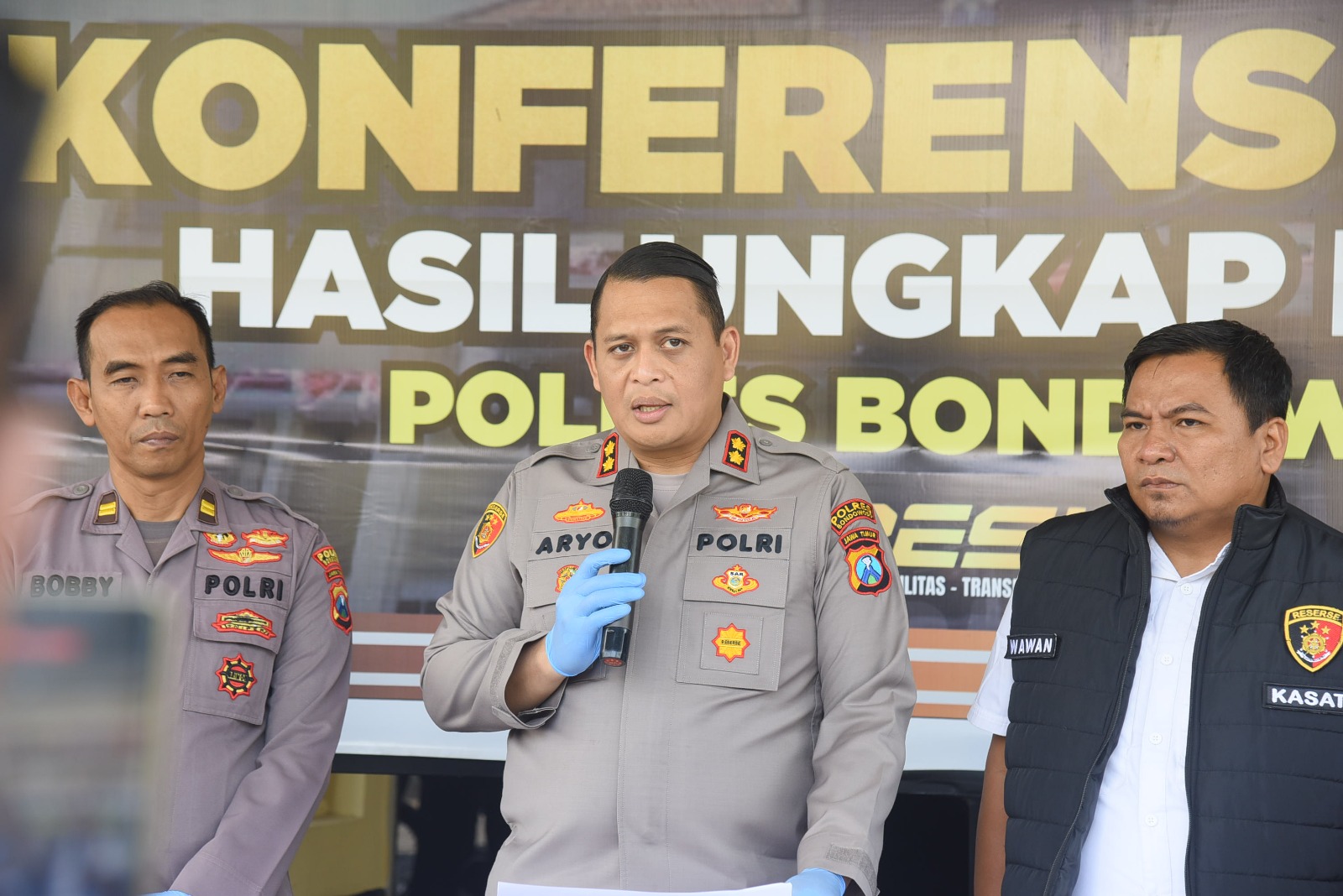
BONDOWOSO – Tim Unit Reaksi Cepat (URC) Polres Bondowoso Polda Jatim berhasil mengungkap dugaan tindak pidana pencurian.
Dari pengungkapan tersebut, Polisi ngamankan seorang asisten rumah tangga (ART) berinisial SR, warga Kecamatan Tenggarang.
Tersangka SR ditangkap atas dugaan pencurian puluhan perhiasan di tempat kerjanya dengan nilai total perhiasan yang dicuri mencapai sekitar Rp.15 juta.
Menurut Kapolres Bondowoso, AKBP Aryo Dwi Wibowo, pelaku berhasil ditangkap hanya tiga jam setelah korban melayangkan laporan.
Bahkan, saat ditangkap, pelaku diketahui masih membawa sebagian perhiasan xuping, sementara beberapa unit lainnya telah dijual.
“Kalau nominal kerugiannya mencapai Rp.15 juta,” ujar Aryo, Jumat (26/6/2026)
AKBP Aryo Dwi Wibowo menjelaskan bahwa tersangka merupakan karyawan korban yang baru bekerja selama satu minggu sebelum melakukan aksi nekatnya tersebut.
“Pelaku merusak lubang kunci etalase dan mengambil sekitar 100 perhiasan yang berada di dalamnya,” kata AKBP Aryo.
Dari tangan tersangka, Polisi menyita sejumlah barang bukti berupa 8 gelang bangkok, 24 gelang rantai, 9 gelang bangkok model lain, serta satu kawat yang digunakan untuk membobol etalase.
“Saat ini, tersangka sudah kami amankan untuk menjalani proses hukum di Polres Bondowoso guna mempertanggungjawabkan perbuatannya,” pungkas AKBP Aryo. (*)
Berita
Sambut Hari Bhayangkara ke-80, Polres Lamongan Bedah Rumah Warga Tak Layak Huni dan Salurkan Bansos

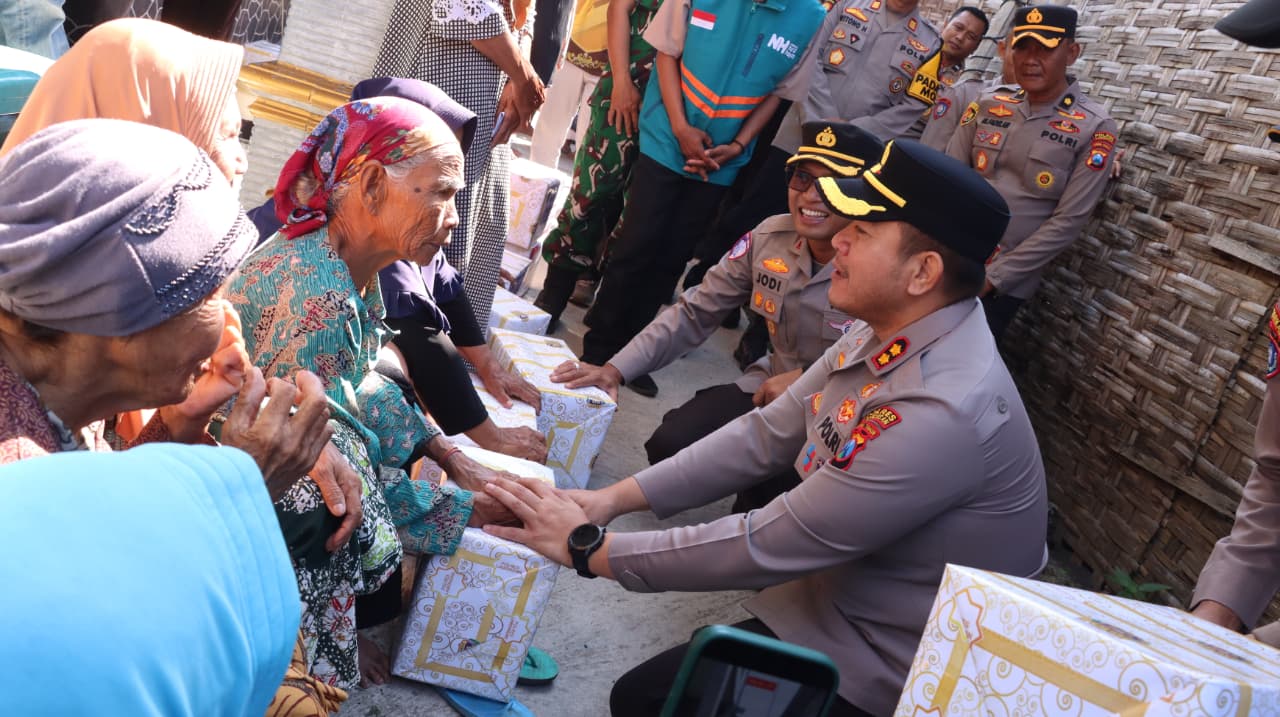
LAMONGAN – Polres Lamongan Polda Jatim kembali menunjukkan kepeduliannya kepada masyarakat melalui kegiatan Bakti Sosial Bedah Rumah di Desa Sidodowo, Kecamatan Modo, Kabupaten Lamongan, Jumat (26/6/2026).
Kegiatan tersebut dipimpin oleh Kapolres Lamongan, AKBP Arif Fazlurrahman didampingi Wakapolres Lamongan, Kompol Jodi Indrawan serta dihadiri para Pejabat Utama (PJU) Polres Lamongan, Forkopimcam Modo, Ketua Yayasan Nurul Hayat selaku donatur, perangkat Desa Sidodowo, dan masyarakat setempat.
Kapolres Lamongan mengatakan, program ini menjadi salah satu rangkaian bakti sosial Hari Bhayangkara ke-80, sebagai bentuk nyata kepedulian Polri terhadap masyarakat yang membutuhkan, khususnya dalam menyediakan tempat tinggal yang lebih layak huni.
“Kami hadir bukan hanya dalam hal penegakan hukum, tetapi juga berupaya untuk peduli terhadap apa yang menjadi keluh kesah masyarakat,” ujar AKBP Arif usai peletakan batu pertama.
Selain peletakan awal pembangunan rumah, Polres Lamongan juga menyalurkan bantuan sosial berupa paket sembako dan uang saku kepada kaum duafa, serta memberikan perlengkapan sekolah kepada anak-anak yatim.
Kapolres Lamongan berharap program ini dapat memberikan manfaat nyata bagi penerima bantuan serta mempererat hubungan antara Polri dan masyarakat.
“Kami berharap rumah yang dibangun dapat memberikan kenyamanan bagi keluarga penerima, sementara bantuan yang disalurkan dapat meringankan beban masyarakat.”pungkas Kapolres Lamongan.
Sebagai informasi, kegiatan bedah rumah ini juga didukung oleh Yayasan Nurul Hayat dan Yayasan Berkas Bersinar Abadi, yang dipimpin Ipda Purnomo. (*)
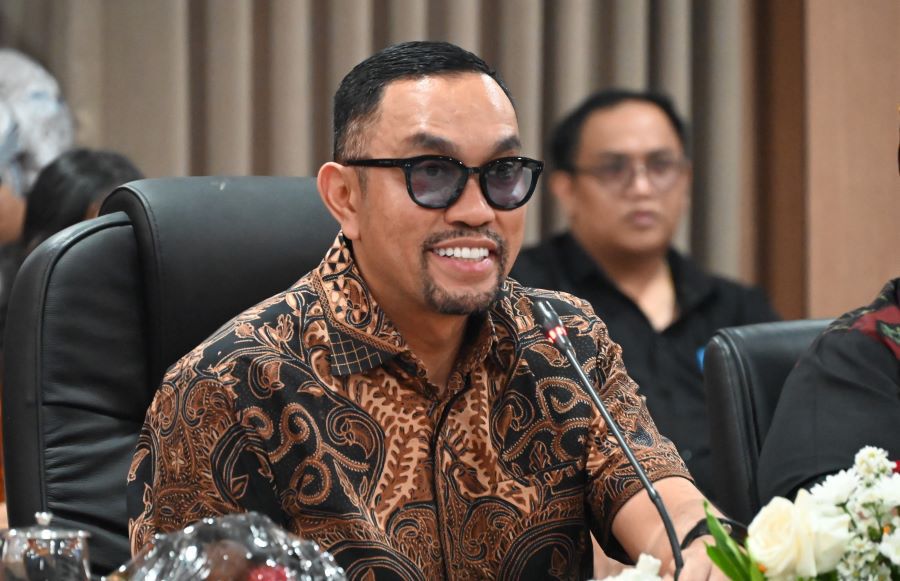
Jakarta – Wakil Ketua Komisi III DPR RI, Ahmad Sahroni, memberikan tanggapan atas hasil Survei Litbang Kompas yang menunjukkan adanya peningkatan tingkat kepercayaan dan kepuasan masyarakat terhadap kinerja Polri. Menurutnya, capaian tersebut menjadi indikator bahwa berbagai upaya yang dilakukan Polri telah memberikan dampak positif dan dirasakan langsung oleh masyarakat.
Sahroni menilai peningkatan kepercayaan publik tidak terlepas dari kerja keras seluruh jajaran Polri di bawah kepemimpinan Kapolri Jenderal Listyo Sigit Prabowo dalam meningkatkan kualitas pelayanan, menjaga keamanan, serta memperkuat kedekatan dengan masyarakat.
“Tingginya kepercayaan publik menunjukkan bahwa kerja keras Polri ini nyata dirasakan oleh masyarakat. Ini adalah buah dari kerja keras Polri di bawah kepemimpinan Jenderal Sigit,” kata Sahroni kepada wartawan, Jumat (26/6/2026).
Meski demikian, politikus Partai NasDem itu mengingatkan agar hasil positif tersebut tidak membuat institusi kepolisian cepat berpuas diri. Ia berharap capaian yang diraih justru menjadi pemacu semangat untuk terus melakukan perbaikan dan meningkatkan kualitas pelayanan kepada masyarakat.
“Selanjutnya jangan lengah dan tetap pertahankan kinerja baik ini. Ke depan harus lebih baik lagi, capaian ini harus menjadi motivasi untuk terus meningkatkan kualitas pelayanan, profesionalisme, dan kedekatan dengan masyarakat,” katanya.
Sahroni juga menyoroti masih adanya sejumlah pekerjaan rumah yang harus menjadi perhatian Polri, mulai dari penanganan kejahatan jalanan, pemberantasan premanisme, peredaran narkoba, hingga kejahatan berbasis digital. Menurutnya, tantangan tersebut harus terus dihadapi secara konsisten agar kepercayaan masyarakat terus meningkat.
Ia optimistis tingkat kepercayaan publik dapat terus bertambah apabila Polri konsisten menjalankan perannya sebagai pelindung, pengayom, dan pelayan masyarakat.
“Ingat, masih banyak PR yang harus diselesaikan. Kejahatan jalanan, premanisme, peredaran narkoba, hingga kejahatan berbasis digital harus terus diberantas secara konsisten. Yang paling penting, Polri harus terus hadir sebagai pelindung, pengayom, dan pelayan masyarakat. Kalau itu terus dijaga, saya yakin 100 persen kepercayaan masyarakat akan semakin meroket,” katanya.
-
 Berita3 tahun ago
Anggota Polsek Pohjentrek Rutin Patroli SPBU Serta Memberikan Himbauan ke Pembeli dan Petugas
-
 Berita3 tahun ago
Ajak Anggotanya Tingkatkan Harkamtibmas, Kapolsek Purworejo Gelar Coffe Morning
-
 Berita3 tahun ago
Langkah Kompolnas dan Divisi Humas Polri Bangun Sinergitas Berikan Pelayanan Terbaik Kepada Masyarakat
-
 Berita3 tahun ago
Jelang Libur Nataru, Polres Probolinggo Pastikan Keamanan dan Kenyamanan Obyek Wisata
-
 Berita2 tahun ago
Bhabinkamtibmas Polsek Purworejo Lakukan Pengamanan Jalan Santai Peringatan HUT Ke-79 Republik Indonesia
-
 Berita3 tahun ago
Polsek Grati Patroli Antisipasi Kamtibmas Jelang Idul Fitri
-
 Berita3 tahun ago
Dengan Sinergitas, Polres Pasuruan Kota Sukseskan Pengamanan Tour de Pasuruan dan Suropati Race IV 2023
-
 Berita3 tahun ago
Bhabinkamtibmas Polsek Grati Dialogis Dengan Masyarakat Desa Binaan Ciptakan Keamanan