
Berita
Polsek Bugul Kidul Gelar Kembali Giat Jumat Curhat.


Polresta Pasuruan – Polsek Bugul Kidul -Sebagai upaya untuk menyerap secara langsung keluhan dari masyarakat, Kapolsek Bugul Kidul AKP Fauzi Iskak Dibyantoro menggelar kembali kegiatan Jumat Curhat dalam rangka membahas Keamanan dan Ketertiban Masyarakat (Kamtibmas) serta mendengarkan keluhan masyarakat yang dipusatkan di warung kopi milik Bapak Sugiono warga Dsn. Kejobo Kidul Kel. Blandongan Kec. Bugul Kidul Kota Pasuruan, Jumat (03/02/2023).
Kegiatan ini berlangsung santai dan penuh keakraban serta diisi dengan dialog interaktif dengan masyarakat seraya menerima langsung curhat warga terkait maraknya isu tentang penculikan anak baik di media sosial (medsos) maupun di tengah masyarakat.

Kapolsek menyebut “Pada intinya, kami sangat membutuhkan saran, kritik, dan informasi dari masyarakat. Hal ini sebagai bahan evaluasi kami dalam rangka membenahi, memperbaiki ataupun meningkatkan kualitas kinerja pelayanan,” ungkapnya.
“Semoga Jumat Curhat ini menjadi sarana kita mempererat jalinan silaturahmi, sehingga masyarakat tidak perlu canggung dan apabila ada informasi segera sampaikan ke saya atau anggota kepolisian lainnya,” Pungkas Kapolsek.
By Humas Bglkdl.

Berita
Dukung Ketahanan Pangan, Bhabinkamtibmas Polsek Keboncandi Sambangi Petani Jagung di Lahan Binaan Polri

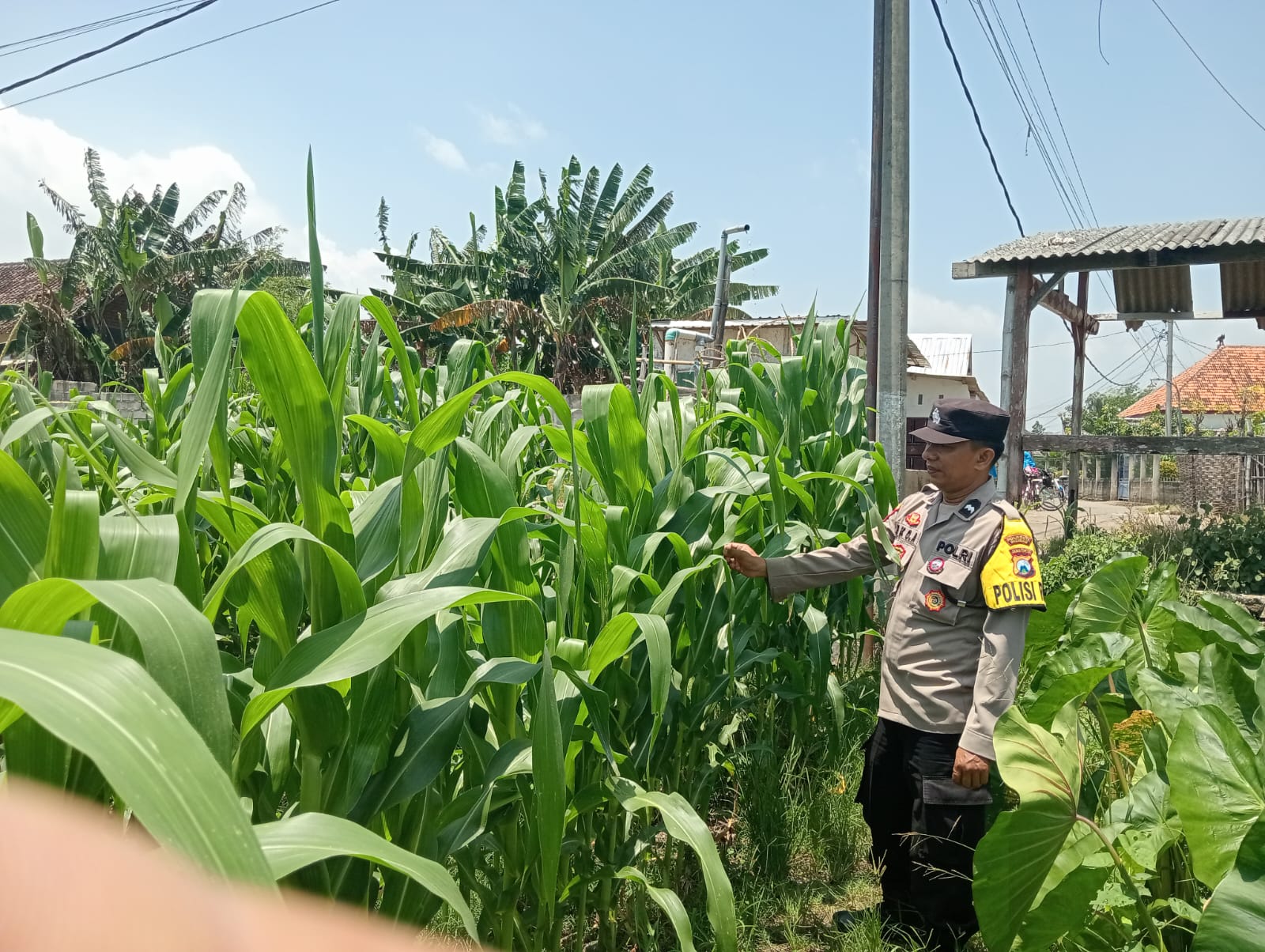
Polresta Pasuruan – Sebagai bentuk dukungan terhadap program ketahanan pangan nasional, Bhabinkamtibmas Polsek Keboncandi Polres Pasuruan Kota Polda Jatim melaksanakan kegiatan sambang dan monitoring lahan jagung binaan Polri di wilayah Kecamatan Gondangwetan, Kabupaten Pasuruan. Sabtu (20/6/2026).
Kegiatan tersebut dilakukan dengan mengunjungi para petani jagung sekaligus memantau perkembangan dan pertumbuhan tanaman jagung yang berada di lahan binaan Polri.
Selain melakukan pengecekan kondisi tanaman, Bhabinkamtibmas juga berdialog langsung dengan para petani guna mendengarkan berbagai masukan, kendala, maupun keluhan yang dihadapi selama proses budidaya tanaman jagung.
Melalui kegiatan sambang tersebut, Polri terus berupaya hadir di tengah masyarakat, khususnya para petani, untuk memberikan motivasi dan dukungan agar pengelolaan lahan pertanian dapat berjalan optimal serta menghasilkan panen yang maksimal.
Kegiatan ini merupakan tindak lanjut arahan Kapolres Pasuruan Kota AKBP Titus Yudho Uly, S.I.K., M.Si., dalam mendukung program ketahanan pangan nasional serta mewujudkan swasembada pangan melalui pemanfaatan lahan produktif yang ada di wilayah hukum Polres Pasuruan Kota.
Kapolsek Keboncandi AKP Topo Utomo, S.H., mengatakan bahwa keterlibatan Bhabinkamtibmas dalam mendampingi petani merupakan wujud nyata komitmen Polri dalam mendukung program pemerintah di sektor pertanian.
“Melalui kegiatan sambang dan monitoring ini, kami ingin memastikan tanaman jagung di lahan binaan Polri tumbuh dengan baik sekaligus mengetahui kendala yang dihadapi para petani. Polri akan terus hadir memberikan dukungan dan motivasi agar produktivitas pertanian semakin meningkat sehingga mampu mendukung ketahanan pangan nasional,” ujar AKP Topo Utomo.
Dengan adanya pendampingan dan monitoring yang dilakukan secara rutin, diharapkan terjalin sinergi yang kuat antara Polri dan masyarakat dalam mendukung program ketahanan pangan serta meningkatkan kesejahteraan para petani.
#astacita
#polrespasuruankota
#birosdmpoldajatim
#ketahananpanganpoldajatim
#polripresisi
#swasembadapangan
#swassembadajagung
#polisicintapetani
#astacitapresiden
Polresta Pasuruan – Dalam menjaga keamanan dan ketertiban masyarakat (kamtibmas), Polsek Lekok Polres Pasuruan Kota Polda Jatim melaksanakan kegiatan patroli rutin di wilayah Kecamatan Lekok, Kabupaten Pasuruan. Sabtu (20/6/2026).
Patroli dilakukan dengan menyasar kawasan permukiman warga, pertokoan, fasilitas umum, serta sejumlah titik yang dianggap rawan terjadinya gangguan kamtibmas.
Kegiatan ini bertujuan untuk mencegah terjadinya aksi kriminalitas sekaligus memberikan rasa aman dan nyaman kepada masyarakat saat menjalankan aktivitas sehari-hari.
Selain melaksanakan patroli, personel Polsek Lekok juga berdialog dengan masyarakat yang ditemui selama patroli berlangsung.
Masyarakat diimbau untuk memastikan kendaraan diparkir di tempat yang aman dan menggunakan kunci ganda, mengunci pintu rumah saat ditinggalkan, serta meningkatkan kepedulian terhadap keamanan lingkungan. Warga juga diminta segera melaporkan kepada pihak kepolisian apabila mengetahui adanya aktivitas yang mencurigakan.
Kapolsek Lekok AKP Mawan, S.H., mengatakan bahwa patroli rutin merupakan salah satu langkah preventif yang terus dilakukan guna menjaga situasi kamtibmas tetap aman dan kondusif.
“Patroli rutin ini merupakan bentuk kehadiran Polri di tengah masyarakat untuk memberikan rasa aman dan mencegah terjadinya tindak kriminalitas. Kami juga mengajak seluruh masyarakat untuk bersama-sama menjaga keamanan lingkungan dengan meningkatkan kewaspadaan dan kepedulian terhadap situasi di sekitarnya,” ujar AKP Mawan.
Dengan dilaksanakannya patroli secara rutin dan berkelanjutan, diharapkan situasi kamtibmas di wilayah Kecamatan Lekok tetap aman, nyaman, dan kondusif sehingga masyarakat dapat beraktivitas dengan tenang.
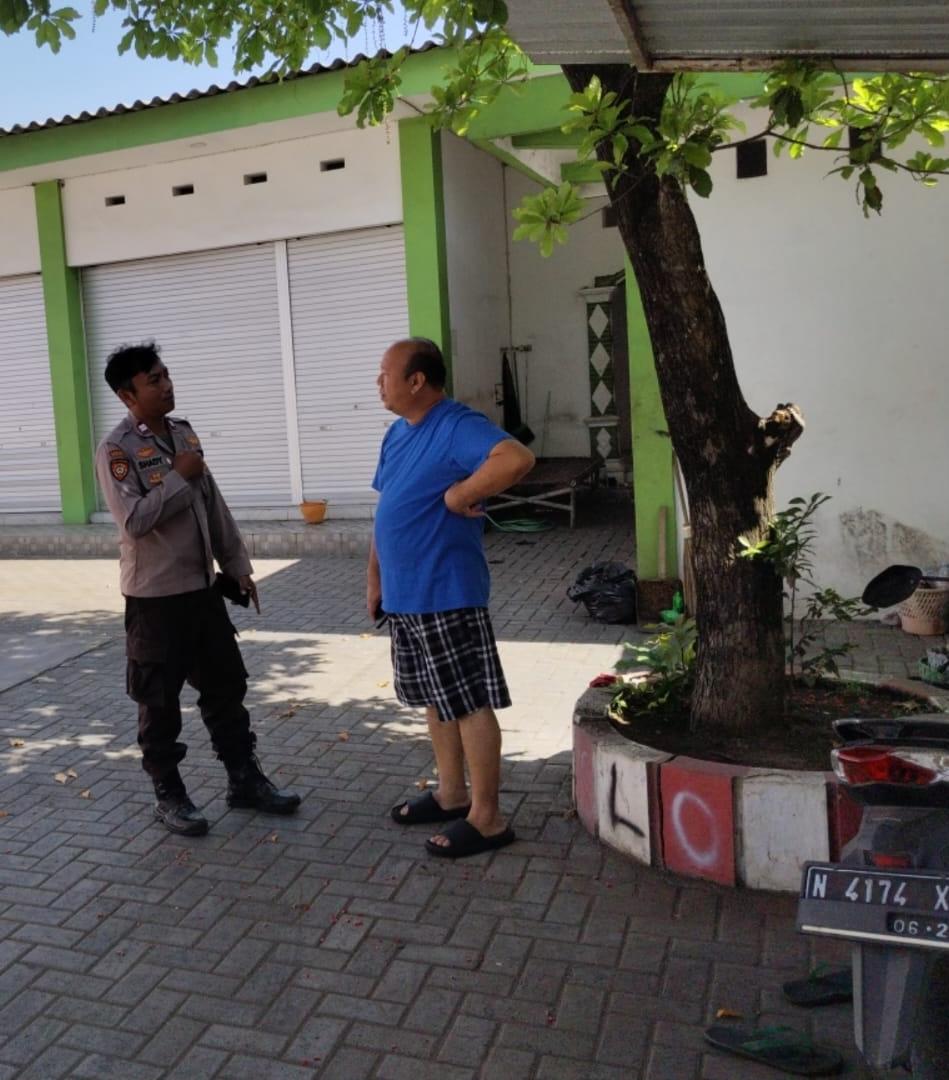
Polresta Pasuruan – Jaga situasi keamanan dan ketertiban masyarakat (kamtibmas) tetap aman dan kondusif, Polsek Kraton Polres Pasuruan Kota Polda Jatim melaksanakan kegiatan patroli kamtibmas di wilayah hukumnya. Sabtu (20/6/2026).
Patroli dilakukan dengan menyasar kawasan permukiman warga, pertokoan, fasilitas umum, serta sejumlah lokasi yang dianggap rawan terjadinya gangguan kamtibmas.
Kegiatan ini merupakan langkah preventif kepolisian untuk mengantisipasi berbagai potensi gangguan keamanan serta memberikan rasa aman dan nyaman kepada masyarakat.
Selain melaksanakan patroli, personel Polsek Kraton juga melakukan dialogis dengan masyarakat yang ditemui selama kegiatan berlangsung.
Masyarakat diimbau untuk memastikan kendaraan diparkir di tempat yang aman dan menggunakan kunci ganda, mengunci pintu rumah saat ditinggalkan, serta mengaktifkan kembali kegiatan ronda malam atau siskamling sebagai upaya bersama dalam menjaga keamanan lingkungan.
Kapolsek Kraton AKP Moch. Sholeh mengatakan bahwa patroli kamtibmas merupakan kegiatan rutin yang terus ditingkatkan guna menjaga stabilitas keamanan di wilayah hukum Polsek Kraton.
“Melalui patroli dan dialogis dengan masyarakat, kami ingin memastikan situasi kamtibmas tetap aman dan kondusif. Kami juga mengajak seluruh masyarakat untuk berperan aktif menjaga keamanan lingkungan serta segera melaporkan kepada pihak kepolisian apabila menemukan hal-hal yang berpotensi mengganggu kamtibmas,” ujar AKP Moch. Sholeh.
Dengan adanya patroli rutin yang dilaksanakan secara berkelanjutan, diharapkan situasi kamtibmas di wilayah Kecamatan Kraton tetap terjaga dengan baik sehingga masyarakat dapat beraktivitas dengan aman, nyaman, dan tenang.
-
 Berita3 tahun ago
Anggota Polsek Pohjentrek Rutin Patroli SPBU Serta Memberikan Himbauan ke Pembeli dan Petugas
-
 Berita3 tahun ago
Ajak Anggotanya Tingkatkan Harkamtibmas, Kapolsek Purworejo Gelar Coffe Morning
-
 Berita3 tahun ago
Langkah Kompolnas dan Divisi Humas Polri Bangun Sinergitas Berikan Pelayanan Terbaik Kepada Masyarakat
-
 Berita3 tahun ago
Jelang Libur Nataru, Polres Probolinggo Pastikan Keamanan dan Kenyamanan Obyek Wisata
-
 Berita2 tahun ago
Bhabinkamtibmas Polsek Purworejo Lakukan Pengamanan Jalan Santai Peringatan HUT Ke-79 Republik Indonesia
-
 Berita3 tahun ago
Polsek Grati Patroli Antisipasi Kamtibmas Jelang Idul Fitri
-
 Berita3 tahun ago
Dengan Sinergitas, Polres Pasuruan Kota Sukseskan Pengamanan Tour de Pasuruan dan Suropati Race IV 2023
-
 Berita3 tahun ago
Bhabinkamtibmas Polsek Grati Dialogis Dengan Masyarakat Desa Binaan Ciptakan Keamanan