
Berita
Pasca Ledakan Bom Bunuh Diri di Bandung, Polres Pasuruan Kota Perketat Penjagaan


Polres Pasuruan Kota – Polres Pasuruan Kota memperketat akses pintu keluar masuk di depan pos penjagaan. Hal itu mengantisipasi hal yang tidak diinginkan usai bom bunuh diri di Polsek Astana Anyar, Bandung.
Salah seorang warga, Risna mengatakan, pemeriksaan yang dilakukan anggota kepolisian yang berjaga di Polres Pasuruan Kota cukup ketat. Perempuan asal kebonagung yang ingin meminta pelayanan tidak luput dari pemeriksaan anggota kepolisian.
“Ketat juga pemeriksaannya, saya sempat ditanya tujuan datang ke sini,” ujar Risna di Polres Pasuruan Kota, Kamis (8/12/2022).
Risna menjelaskan, anggota kepolisian yang berjaga melakukan pemeriksaan terhadap barang bawaannya yakni tas. Anggota telah meminta izin untuk memeriksa barang bawaan Risna sebelum memasuki Polres Pasuruan Kota.
“Mungkin pemeriksaan ini berkaitan dengan kejadian di Bandung yang Polseknya meledak karena bom bunuh diri,” jelas Risna.
Risna mengungkapkan, tindakan yang dilakukan anggota kepolisian yang berjaga dinilai cukup baik. Hal itu memberikan kenyamanan kepada warga pasca kejadian bom bunuh diri saat berada di kantor kepolisian.
“Saya sangat mendukung, ini juga berkaitan dengan kami yang meminta pelayanan di Polres Pasuruan Kota,” tutupnya.
Ditempat yang terpisah Kasi Humas Polres Pasuruan Kota , IPTU Vita membenarkan anggota yang berjaga di pos penjagaan melakukan pemeriksaan terhadap pengunjung yang masuk. Hal itu dilakukan bukan saat ini namun sudah dilakukan sejak beberapa waktu lalu.
“Bukan karena pasca ledakan di Polsek wilayah Bandung tapi sudah kami laksanakan dari sebelumnya,” ujar IPTU Vita


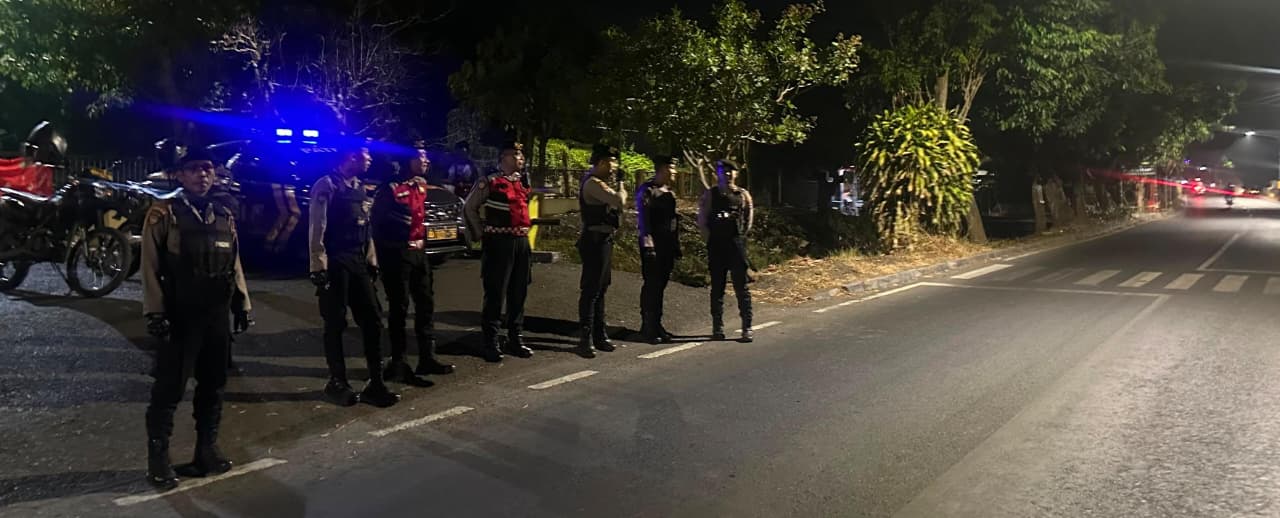
Polresta Pasuruan – Menciptakan rasa aman dan nyaman bagi masyarakat, patroli SAE atau Sigap, Amanah, Empati terus digencarkan di wilayah Kota Pasuruan. Minggu dini hari, 23 Agustus 2026, personel Peleton Siaga dipimpin Perwira Pengawas menyusuri sejumlah ruas jalan utama sebagai langkah preventif menjaga situasi kamtibmas tetap aman, tertib, dan kondusif.
Patroli SAE dilaksanakan dengan menyasar Jalan Wahidin Sudiro Husodo, Jalan Panglima Sudirman, Jalan Veteran, Jalan Ir. H. Juanda hingga Jalan KH Mansur Kota Pasuruan.
Kegiatan tersebut merupakan upaya preventif untuk mengantisipasi berbagai potensi gangguan kamtibmas maupun tindak kriminalitas, khususnya pada jam-jam rawan.
Kehadiran personel di sejumlah ruas jalan diharapkan dapat memberikan rasa aman dan nyaman bagi masyarakat yang masih beraktivitas maupun pengguna jalan.
Patroli dipimpin oleh Perwira Pengawas (Pawas) dan diikuti personel Polres Pasuruan Kota yang tergabung dalam Peleton Siaga.
Personel melakukan pemantauan situasi secara mobile serta mengantisipasi adanya aktivitas yang berpotensi mengganggu keamanan dan ketertiban masyarakat.
Kabag Ops Polres Pasuruan Kota Kompol Miftaful M.B.K., S.H., M.H. mengatakan, Patroli SAE merupakan komitmen kepolisian untuk menghadirkan personel di tengah masyarakat.
“Patroli SAE atau Sigap, Amanah, Empati merupakan komitmen kami untuk menghadirkan personel di tengah masyarakat. Kegiatan ini tidak hanya dilaksanakan pada akhir pekan, tetapi rutin setiap hari oleh Polres Pasuruan Kota bersama seluruh Polsek jajaran, sebagai upaya mencegah gangguan kamtibmas sekaligus memberikan rasa aman dan nyaman kepada masyarakat,” ujar Kompol Miftaful.
Menurutnya, patroli rutin tersebut menjadi langkah kepolisian dalam mencegah potensi gangguan keamanan sekaligus memperkuat kehadiran Polri sebagai pelindung, pengayom, dan pelayan masyarakat.
Dalam pelaksanaannya, personel mengedepankan pendekatan humanis dengan menyapa masyarakat serta menyampaikan imbauan kamtibmas agar bersama-sama menjaga keamanan lingkungan.
Patroli SAE tidak hanya dilaksanakan oleh personel Polres Pasuruan Kota, tetapi juga rutin digelar setiap hari oleh seluruh Polsek jajaran sesuai dengan situasi dan karakteristik wilayah masing-masing.
Melalui kegiatan tersebut, kepolisian mengajak masyarakat turut berperan aktif menjaga situasi kamtibmas serta segera melaporkan apabila menemukan kejadian mencurigakan atau membutuhkan bantuan polisi.
Kehadiran Patroli SAE diharapkan dapat memberikan rasa aman sekaligus memastikan masyarakat dapat menjalankan aktivitas dengan nyaman. Apabila terjadi keadaan darurat atau membutuhkan kehadiran polisi, masyarakat dapat menghubungi Call Center 110 Polri agar laporan segera ditindaklanjuti.
-
 Berita3 tahun ago
Anggota Polsek Pohjentrek Rutin Patroli SPBU Serta Memberikan Himbauan ke Pembeli dan Petugas
-
 Berita4 tahun ago
Ajak Anggotanya Tingkatkan Harkamtibmas, Kapolsek Purworejo Gelar Coffe Morning
-
 Berita4 tahun ago
Langkah Kompolnas dan Divisi Humas Polri Bangun Sinergitas Berikan Pelayanan Terbaik Kepada Masyarakat
-
 Berita3 tahun ago
Jelang Libur Nataru, Polres Probolinggo Pastikan Keamanan dan Kenyamanan Obyek Wisata
-
 Berita2 tahun ago
Bhabinkamtibmas Polsek Purworejo Lakukan Pengamanan Jalan Santai Peringatan HUT Ke-79 Republik Indonesia
-
 Berita3 tahun ago
Polsek Grati Patroli Antisipasi Kamtibmas Jelang Idul Fitri
-
 Berita3 tahun ago
Dengan Sinergitas, Polres Pasuruan Kota Sukseskan Pengamanan Tour de Pasuruan dan Suropati Race IV 2023
-
 Berita3 tahun ago
Bhabinkamtibmas Polsek Grati Dialogis Dengan Masyarakat Desa Binaan Ciptakan Keamanan