
Berita
SAPIMAS, Program Polres Blitar Peduli Warga Masyarakat


BLITAR – Kapolres Blitar AKBP Adhitya Panji Anom S.I.K. bersama para Perwira serta Bhabinkamtibmas desa Birowo Polsek Binangun Aipda Arifin Mustofa melaksanakan kegiatan pembagian sayur gratis kepada warga yang Desa Birowo kec Binangun Kabupaten Blitar. Rabu (07/12/2022).
Pak Arifin, sapaan akrab Aipda Arifin mengungkapkan bahwa kegiatan SAPIMAS (Sayuran Problem Solving Bhabinkamtibmas) ini merupakan kegiatan yang rutin dilakukan oleh Polsek Binangun Polres Blitar Polda Jawa Timur sebagai bentuk kepedulian terhadap masyarakat.
“Kegiatan SAPIMAS ini kita rutinkan seminggu sekali, supaya bisa membantu warga sekitar yang kurang mampu dan warga yang berkebutuhan,”kata Aipda Arifin.
Sementara itu Kapolres Blitar AKBP Adhitya Panji Anom mengapresiasi kegiatan yang telah dilaksanakan oleh Bhabinkamtibmas di Polsek Binangun yang merupakan jajaran Polres Blitar Polda Jatim.
“Polri harus tanggap dalam melihat situasi kondisi di masyarakat dan kita tetap usahakan, kalau ada warga yang membutuhkan kita bantu,”tutur AKBP Adhitya.
Masih kat Kapolres Blitar, dampak dari pandemi memang sangat dirasakan oleh masyarakat luas. Tak hanya dampak sosial, dampak ekonomi juga sangat menghawatirkan.
“Oleh karena itu Polres Blitar seperti yang saat ini dilaksanakan oleh Polsek Binangun berupaya ikut andil dalam membantu masyarakat,”tambah AKBP Adhitya.
Kapolres Blitar berharap dengan adanya kegiatan sosial ini dapat meringankan beban warga. Selain itu, tak lupa anggota di lapangan juga diminta selalu memberikan himbauan tentang protokol kesehatan dan himbauan kamtibmas terhadap warga masyarakat. (*)


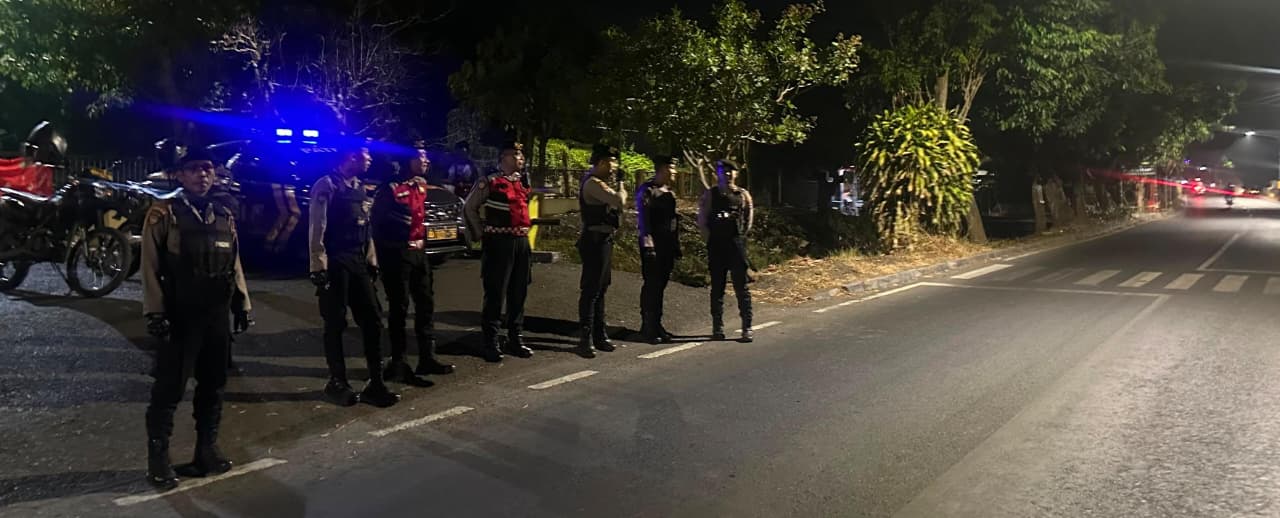
Polresta Pasuruan – Menciptakan rasa aman dan nyaman bagi masyarakat, patroli SAE atau Sigap, Amanah, Empati terus digencarkan di wilayah Kota Pasuruan. Minggu dini hari, 23 Agustus 2026, personel Peleton Siaga dipimpin Perwira Pengawas menyusuri sejumlah ruas jalan utama sebagai langkah preventif menjaga situasi kamtibmas tetap aman, tertib, dan kondusif.
Patroli SAE dilaksanakan dengan menyasar Jalan Wahidin Sudiro Husodo, Jalan Panglima Sudirman, Jalan Veteran, Jalan Ir. H. Juanda hingga Jalan KH Mansur Kota Pasuruan.
Kegiatan tersebut merupakan upaya preventif untuk mengantisipasi berbagai potensi gangguan kamtibmas maupun tindak kriminalitas, khususnya pada jam-jam rawan.
Kehadiran personel di sejumlah ruas jalan diharapkan dapat memberikan rasa aman dan nyaman bagi masyarakat yang masih beraktivitas maupun pengguna jalan.
Patroli dipimpin oleh Perwira Pengawas (Pawas) dan diikuti personel Polres Pasuruan Kota yang tergabung dalam Peleton Siaga.
Personel melakukan pemantauan situasi secara mobile serta mengantisipasi adanya aktivitas yang berpotensi mengganggu keamanan dan ketertiban masyarakat.
Kabag Ops Polres Pasuruan Kota Kompol Miftaful M.B.K., S.H., M.H. mengatakan, Patroli SAE merupakan komitmen kepolisian untuk menghadirkan personel di tengah masyarakat.
“Patroli SAE atau Sigap, Amanah, Empati merupakan komitmen kami untuk menghadirkan personel di tengah masyarakat. Kegiatan ini tidak hanya dilaksanakan pada akhir pekan, tetapi rutin setiap hari oleh Polres Pasuruan Kota bersama seluruh Polsek jajaran, sebagai upaya mencegah gangguan kamtibmas sekaligus memberikan rasa aman dan nyaman kepada masyarakat,” ujar Kompol Miftaful.
Menurutnya, patroli rutin tersebut menjadi langkah kepolisian dalam mencegah potensi gangguan keamanan sekaligus memperkuat kehadiran Polri sebagai pelindung, pengayom, dan pelayan masyarakat.
Dalam pelaksanaannya, personel mengedepankan pendekatan humanis dengan menyapa masyarakat serta menyampaikan imbauan kamtibmas agar bersama-sama menjaga keamanan lingkungan.
Patroli SAE tidak hanya dilaksanakan oleh personel Polres Pasuruan Kota, tetapi juga rutin digelar setiap hari oleh seluruh Polsek jajaran sesuai dengan situasi dan karakteristik wilayah masing-masing.
Melalui kegiatan tersebut, kepolisian mengajak masyarakat turut berperan aktif menjaga situasi kamtibmas serta segera melaporkan apabila menemukan kejadian mencurigakan atau membutuhkan bantuan polisi.
Kehadiran Patroli SAE diharapkan dapat memberikan rasa aman sekaligus memastikan masyarakat dapat menjalankan aktivitas dengan nyaman. Apabila terjadi keadaan darurat atau membutuhkan kehadiran polisi, masyarakat dapat menghubungi Call Center 110 Polri agar laporan segera ditindaklanjuti.
-
 Berita3 tahun ago
Anggota Polsek Pohjentrek Rutin Patroli SPBU Serta Memberikan Himbauan ke Pembeli dan Petugas
-
 Berita4 tahun ago
Ajak Anggotanya Tingkatkan Harkamtibmas, Kapolsek Purworejo Gelar Coffe Morning
-
 Berita4 tahun ago
Langkah Kompolnas dan Divisi Humas Polri Bangun Sinergitas Berikan Pelayanan Terbaik Kepada Masyarakat
-
 Berita3 tahun ago
Jelang Libur Nataru, Polres Probolinggo Pastikan Keamanan dan Kenyamanan Obyek Wisata
-
 Berita2 tahun ago
Bhabinkamtibmas Polsek Purworejo Lakukan Pengamanan Jalan Santai Peringatan HUT Ke-79 Republik Indonesia
-
 Berita3 tahun ago
Polsek Grati Patroli Antisipasi Kamtibmas Jelang Idul Fitri
-
 Berita3 tahun ago
Dengan Sinergitas, Polres Pasuruan Kota Sukseskan Pengamanan Tour de Pasuruan dan Suropati Race IV 2023
-
 Berita3 tahun ago
Bhabinkamtibmas Polsek Grati Dialogis Dengan Masyarakat Desa Binaan Ciptakan Keamanan