
Berita
Akan Banyak Jiwa Yang Tertolong Dengan Pelatihan Basic Life Support


Polresta Pasuruan – Polri yang selalu bersentuhan dengan masyarakat dituntut harus mampu mengatasi masalah dalam setiap kondisi, baik dalam hal sosial maupun kegawatdaruratan.
Situasi gawat darurat tidak hanya terjadi akibat adanya laka lantas, numun sering terjadi pada lingkup keluarga, tetangga dalam lingkungannya maupun teman kerja sehingga diperlukan keahlian dan pengetahuan praktis dalam penanganannya.
Tuntutan masyarakat yang menganggap bahwa personel Polri harus serba bisa dalam mengatasi masalah membuat Kapolda Jawa Timur Irjen Pol Dr. Toni Harmanto merasa perlu dalam mengedukasi anggota jika terjadi situasi yang buruk atau mendesak dalam kegawatdaruratan.
Hal ini diwujudkan dalam pelatihan yang diselenggarakan oleh RS Bhayangkara Hasta Brata dengan narasumber dr. Arifian Juari, Sp.OG beserta tim untuk mengedukasi personel Polres Pasuruan Kota bersama Polres Pasuruan pada Rabu (14/12/22).
Dengan tajuk Pelatihan Basic Life Support merupakan pelatihan dasar yang harus dimiliki oleh setiap orang agar mampu melakukan Resuitasi Jantung Paru (RJP) dengan segera pada saat melihat atau menemukan seseorang yang mengalami henti jantung sebelum bantuan medis tiba.
Pelatihan yang juga dihadiri oleh anggota Polsek Jajaran Polres Pasuruan Kota khususnya para Bhabinkamtibmas diharapkan juga bisa menularkan pengetahuan yang didapat pada masyarakat di wilayah binaanya masing-masing.
Personel yang hadir harus mampu mengimplementasikan pelatihan ini jika menemui situasi gawat darurat atau membutuhkan penanganan yang cepat sebelum bantuan medis tiba dilokasi ujar Kapolres Pasuruan Kota AKBP Dr. RM Jauhari, S.H.,S.I.K.,M.Si.
“Akan banyak jiwa tertolong karena penanganan yang tepat dan cepat jika kita mengetahui cara mengatasinya, dalam hal ini membutuhkan keahlian dan pengetahuan yang mencukupi bagi personel Polri” tambah Kapolres.


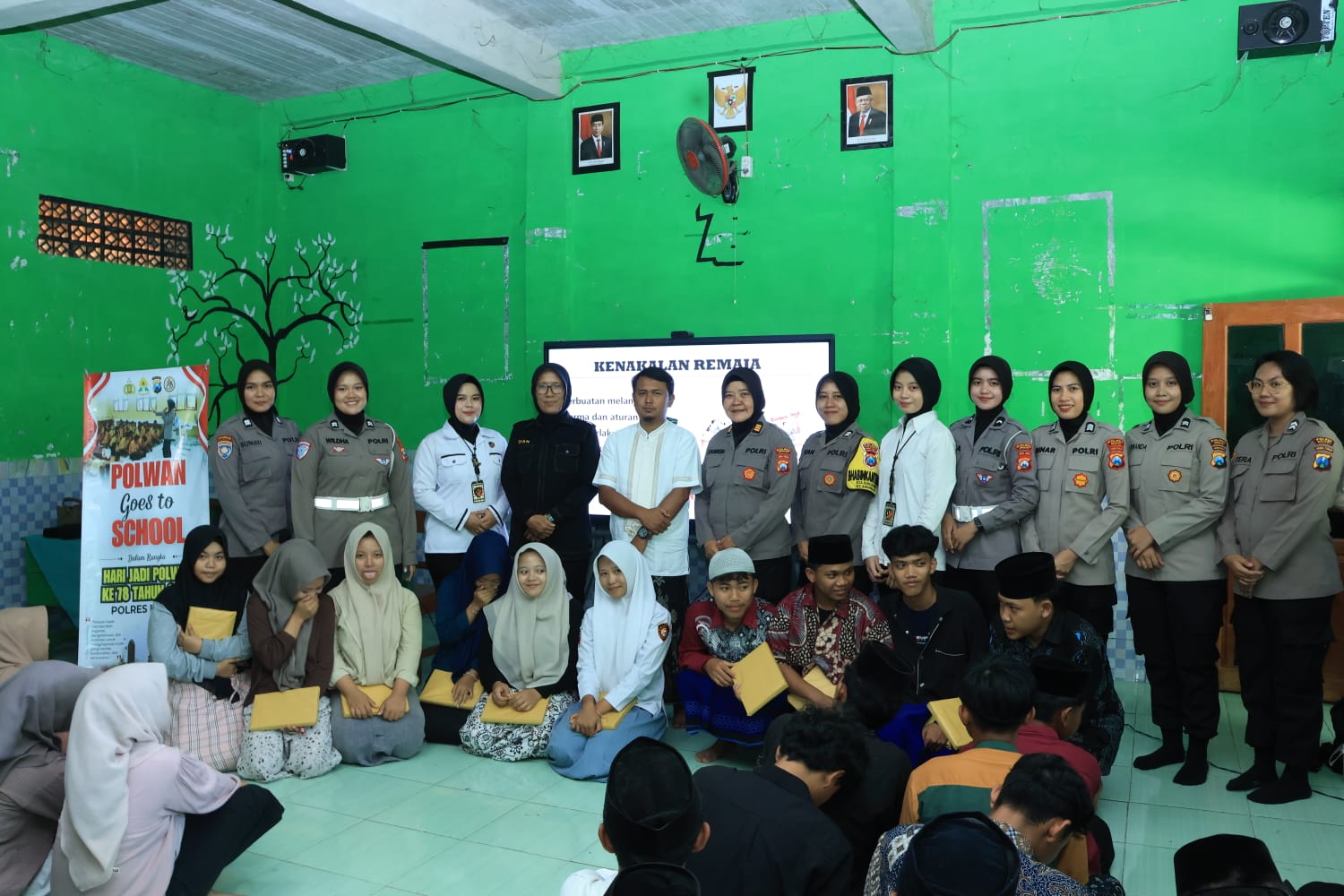
NGAWI – Momen menyambut Hari Polisi Wanita (Polwan) ke-78, Polres Ngawi Polda melaksanakan kegiatan Polwan Goes to School di Pondok Pesantren Mambaul Hikmah, Desa Kerten, Kecamatan Paron, Kabupaten Ngawi, Senin (24/8/2026).
Pada kegiatan yang diikuti oleh para santri tersebut dihadiri senior Polwan Polres Ngawi AKP Edhi Setyaningsih, perwakilan pimpinan Pondok Pesantren Mambaul Hikmah Nafifudin Muslih, M.Pd., serta Da’i Kamtibmas Polres Ngawi Desa Kerten Muh Ali Shodiqin, S.H.
Kapolres Ngawi AKBP Prayoga Angga Widyatama, S.I.K., M.Si., melalui Kasubbag Binkar yang juga senior Polwan Polres Ngawi AKP Edhi Setyaningsih mengatakan, kehadiran Polwan Polres Ngawi kali ini untuk memberikan edukasi kepada para santri mengenai kesehatan mental bagi generasi muda.
AKP Edhi Setyaningsih menekankan pentingnya mengenali dan mengelola emosi, membangun kepercayaan diri, serta tidak ragu untuk bercerita dan mencari bantuan ketika menghadapi masalah.
“Pemahaman bahwa menjaga kesehatan mental merupakan bagian penting dalam membangun kehidupan yang sehat, produktif dan positif,” kata AKP Edhi Setyaningsih.
Para santri juga diajak untuk lebih peduli terhadap kondisi diri sendiri maupun lingkungan sekitar.
Selain itu, materi tentang kenakalan remaja dan tertib berlalu lintas juga diberikan, agar para santri dan santriwati menjadi generasi muda yang unggul, dan menjadi kebangggan serta turut serta menjaga kamtibmas di lingkungannya.
“Edukasi ini sebagai bekal dalam menghadapi berbagai tantangan di lingkungan sekolah maupun kehidupan sehari-hari,” ungkap AKP Edhi Setyaningsih.
Kegiatan berlangsung interaktif dengan sesi tanya jawab yang disambut antusian oleh para santri yang dilanjutkan pemberian doorprize serta plakat.
Sementara itu, perwakilan pimpinan Pondok Pesantren Mambaul Hikmah, Nafifudin Muslih, M.Pd sangat apresiasi program dari Polres Ngawi yang turun menyasar lingkungan pendidikan dan Pondok Pesantren.
“Kami sangat berterimakasih dan apresiasi atas kehiatan Polwan Goes to School ini, dimana para ibu – ibu Polwan telah membantu dan peduli membangun generasi yang kuat, sehat dan berprestasi di lingkungan sekolah maupun Pondok Pesantren,” ungkapnya. (*)
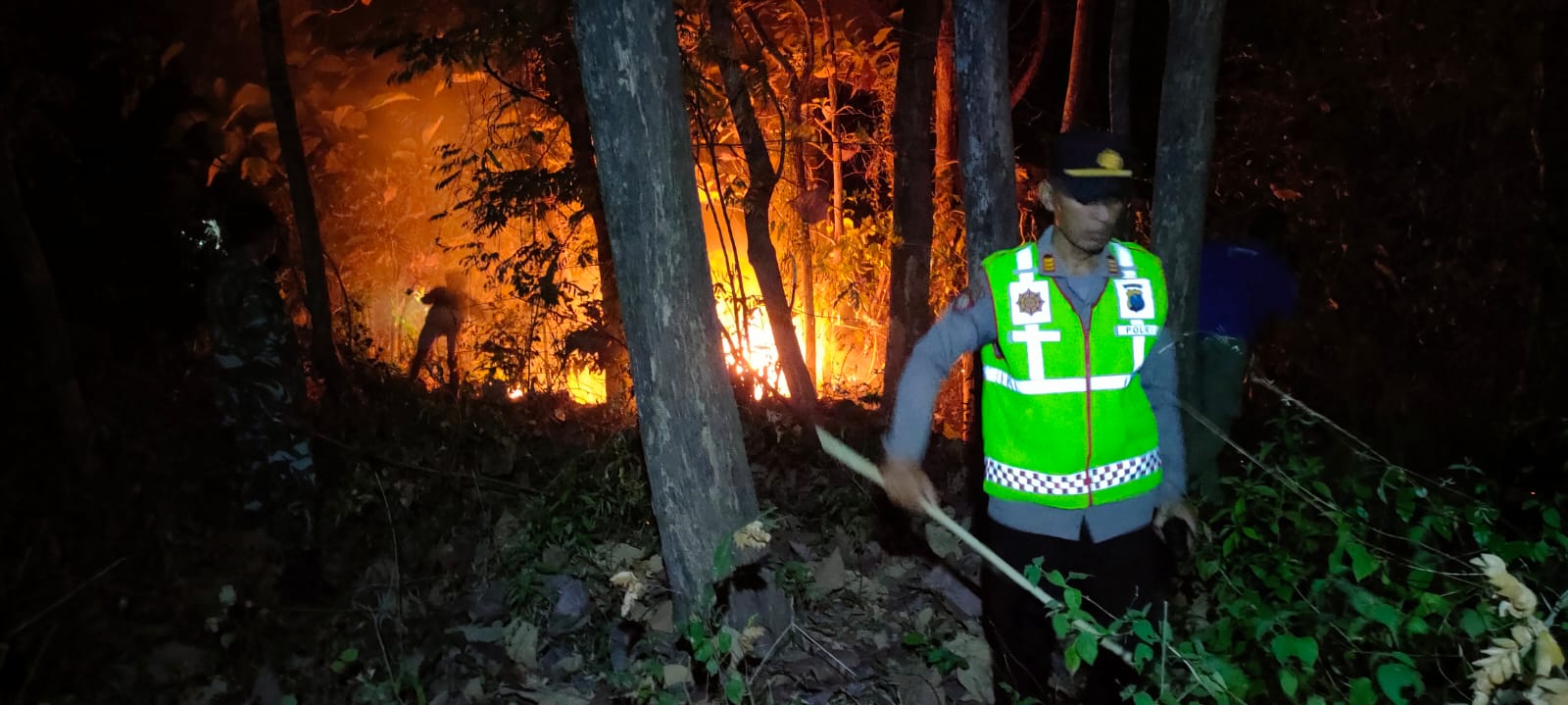
MAGETAN – Memasuki musim kemarau 2026, Polres Magetan Polda Jatim meningkatkan langkah mitigasi dan pencegahan kebakaran hutan dan lahan (karhutla) di wilayah Kabupaten Magetan.
Selain melakukan sosialisasi dan edukasi kepada masyarakat, kepolisian juga mengingatkan adanya konsekuensi hukum yang serius bagi pihak yang dengan sengaja maupun karena kelalaiannya menyebabkan kebakaran hutan dan lahan.
Kapolres Magetan AKBP Dr. Raden Erik Bangun Prakasa menegaskan, kondisi musim kemarau menjadi perhatian serius bagi Polres Magetan dan jajarannya.
Ia menyebut cuaca yang kering, minim curah hujan dan kondisi vegetasi yang mudah terbakar dapat meningkatkan risiko munculnya titik panas (hotspot) serta mempercepat penyebaran api.
“Kami mengajak seluruh masyarakat untuk bersama-sama melakukan pencegahan dengan tidak melakukan aktivitas yang berpotensi memicu kebakaran,” ujar AKBP Erik, Senin (24/8/2026).
Polres Magetan Polda Jatim juga melarang warga membuka lahan dengan cara membakar, karena api dapat dengan mudah merambat dan meluas, terutama dalam kondisi angin kencang dan vegetasi kering.
Demi mencegah kebaran, masyarakat diimbau tidak membuang putung rokok sembarangan, terutama di kawasan hutan dan lahan yang kondisinya kering dan tidak meninggalkan api setelah melakukan aktivitas di sekitar hutan maupun lahan.
“Segera laporkan apabila melihat kebakaran kepada kepolisian, aparat setempat, maupun melalui Call Center Polri 110, kami akan segera tindaklanjuti,” tegas AKBP Erik.
Polres Magetan juga memberikan pemahaman kepada masyarakat bahwa larangan membakar hutan dan lahan memiliki dasar hukum yang kuat.
Salah satunya adalah Undang-Undang Nomor 32 Tahun 2009 tentang Perlindungan dan Pengelolaan Lingkungan Hidu, sebagaimana telah mengalami perubahan melalui peraturan perundang-undangan terkait.
Dalam Pasal 69 ayat (1) huruf h UU 32/2009, terdapat larangan melakukan pembukaan lahan dengan cara membakar.
Pelanggaran terhadap ketentuan tersebut dapat dikenakan Pasal 108, yang mengatur pidana penjara paling singkat 3 tahun dan paling lama 10 tahun, serta denda paling sedikit Rp.3 miliar dan paling banyak Rp.10 miliar.
Sementara itu, apabila perbuatan tersebut berkaitan dengan pembakaran hutan, terdapat ketentuan dalam Undang-Undang Nomor 41 Tahun 1999 tentang Kehutanan.
“Pasal 50 memuat larangan membakar hutan, sedangkan ketentuan pidananya diatur dalam Pasal 78,” pungkas AKBP Erik. (*)
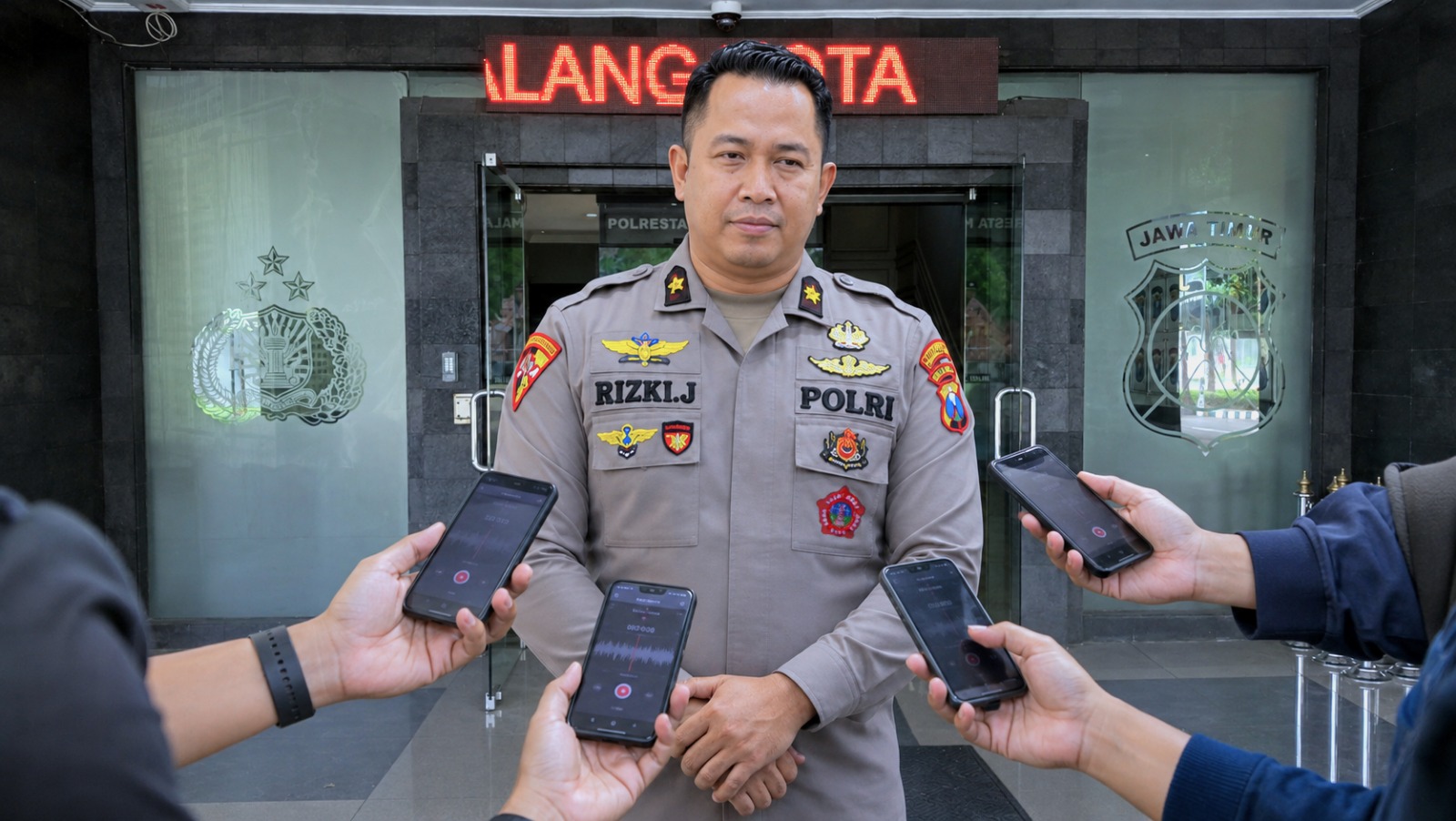
MALANG KOTA – Polresta Malang Kota Polda Jatim terus mendorong inovasi pelayanan publik berbasis digital melalui Microsite “Info Makota”, https://s.id/infomakota sebuah platform yang menghimpun berbagai informasi dan layanan penting bagi masyarakat dalam satu akses.
Inovasi ini menjadi bagian dari implementasi Polri yang kreatif, presisi, adaptif dan responsif terhadap kebutuhan masyarakat.
Microsite sebelumnya dimanfaatkan dalam sejumlah kegiatan berskala nasional yang berlangsung di Kota Malang untuk membantu pengunjung, peserta maupun masyarakat dari luar daerah memperoleh informasi secara cepat.
Kapolresta Malang Kota Kombes Pol Danang Setiyo PS melalui Kabagops Kompol Rizky Juliada Putra Buna mengatakan, kini, Info Makota https://s.id/infomakota dikembangkan agar bisa digunakan setiap hari oleh warga Malang Raya maupun masyarakat dari luar kota yang hendak berkunjung, singgah, melintas atau membutuhkan informasi terkait Kota Malang.
“Info Makota kami hadirkan agar masyarakat cukup membawa informasi dalam satu genggaman.,” ujar Kompol Rizky, Senin (24/08/2026.
Menurut Kompol Rizky, melalui satu akses ini, warga dapat memperoleh layanan kepolisian, informasi kondisi kota hingga nomor bantuan darurat secara lebih cepat dan praktis.
“Konsepnya sederhana, yakni mempercepat informasi dan memperpendek akses pelayanan. Kami juga membangun sinergi dengan berbagai instansi agar informasi yang dibutuhkan masyarakat dapat dihimpun dalam satu platform,” jelasnya.
Platform tersebut dapat diakses melalui telepon seluler dengan memindai QR Code atau membuka Info Makota.
Microsite Info Makota mengintegrasikan sejumlah layanan yang dinilai dibutuhkan dan kapan pun diperlukan masyarakat dalam aktivitas sehari-hari.
Untuk kondisi darurat, tersedia akses langsung ke layanan Polisi 110 serta 112 NGALAM yang dapat digunakan untuk kebutuhan pemadam kebakaran, ambulans dan penanganan kebencanaan.
Masyarakat juga dapat mengakses layanan kepolisian secara daring, antara lain SKCK, layanan SIM, izin keramaian serta pengaduan melalui Dumas Presisi.
Tidak hanya layanan kepolisian, platform Info Makota menyediakan akses CCTV Kota Malang untuk melihat kondisi lalu lintas secara actual.
Informasi lain mencakup pajak kendaraan, jadwal Samsat Keliling, berita kepolisian serta berbagai imbauan resmi mengenai keamanan dan lalu lintas.
Kehadiran microsite Info Makota ini sekaligus menjadi bagian dari transformasi pelayanan publik Polresta Malang Kota.
Dengan konsep digital, praktis dan mudah diakses, microsite tersebut diharapkan menjadi sarana informasi yang dapat dibawa ke mana saja melalui telepon seluler, mengikuti kebutuhan masyarakat dan perkembangan teknologi. (*)
-
 Berita3 tahun ago
Anggota Polsek Pohjentrek Rutin Patroli SPBU Serta Memberikan Himbauan ke Pembeli dan Petugas
-
 Berita4 tahun ago
Ajak Anggotanya Tingkatkan Harkamtibmas, Kapolsek Purworejo Gelar Coffe Morning
-
 Berita4 tahun ago
Langkah Kompolnas dan Divisi Humas Polri Bangun Sinergitas Berikan Pelayanan Terbaik Kepada Masyarakat
-
 Berita3 tahun ago
Jelang Libur Nataru, Polres Probolinggo Pastikan Keamanan dan Kenyamanan Obyek Wisata
-
 Berita2 tahun ago
Bhabinkamtibmas Polsek Purworejo Lakukan Pengamanan Jalan Santai Peringatan HUT Ke-79 Republik Indonesia
-
 Berita3 tahun ago
Polsek Grati Patroli Antisipasi Kamtibmas Jelang Idul Fitri
-
 Berita3 tahun ago
Dengan Sinergitas, Polres Pasuruan Kota Sukseskan Pengamanan Tour de Pasuruan dan Suropati Race IV 2023
-
 Berita3 tahun ago
Bhabinkamtibmas Polsek Grati Dialogis Dengan Masyarakat Desa Binaan Ciptakan Keamanan