
Berita
Cegah Kecelakaan di Perlintasan Kereta Api, Polres Malang Pasang Papan Himbauan


MALANG – Melakukan langkah-langkah preventif dengan memasang papan himbauan,Sat Lantas Polres Malang,Polda Jatim berupaya mencegah terjadinya kecelakaan lalulintas khusunya di perlintasan Kereta Api.
Hal tersebut dilakukan oleh Sat lantas Polres Malang mengingat tingginya angka kecelakaan di perlintasan kereta di Jawa Timur terlebih pada perlintasan keteta tanpa palang.
Kapolres Malang AKBP Putu Kholis Aryana melalui Kasat Lantas Polres Malang AKP Agnis J.M menjelaskan terkait pemasangan papan himbauan di perlintasan kereta api tanpa palang pintu ini bertujuan untuk mengingatkan warga masyarakat yang melintas untuk lebih waspada.
“Ada beberapa perlintasan kereta api yang kami pasang papan himbauan diantaranya perlintasan kereta api tanpa palang pintu di Dsn Tamanayu Desa Jatirejoyoso Kec Kepanjen dan di Desa Ngebruk Kec Sumberpucung,”ujar AKP Agnis,Selasa (10/1).
Dengan papan himbauan ini pihaknya berharap masyarakat lebih berhati-hati ketika melintas di perlintasan kereta api tanpa palang pintu.
AKP Agnis juga memberikan apresiasi kepada warga sekitar lokasi atas kepeduliannya terhadap keselamatan para pengguna jalan yang melintas dengan menjadi relawan di perlintasan kereta api tersebut.
“Relawan di perlintasan kereta api tanpa palang pintu sangat membantu, kami apresiasi untuk mereka,”pungkas AKP Agnis. (*)

Berita
Kompolnas Visitasi Polrestabes dan Polres Semarang, Soroti Inovasi Pelayanan dan Pemberdayaan Masyarakat

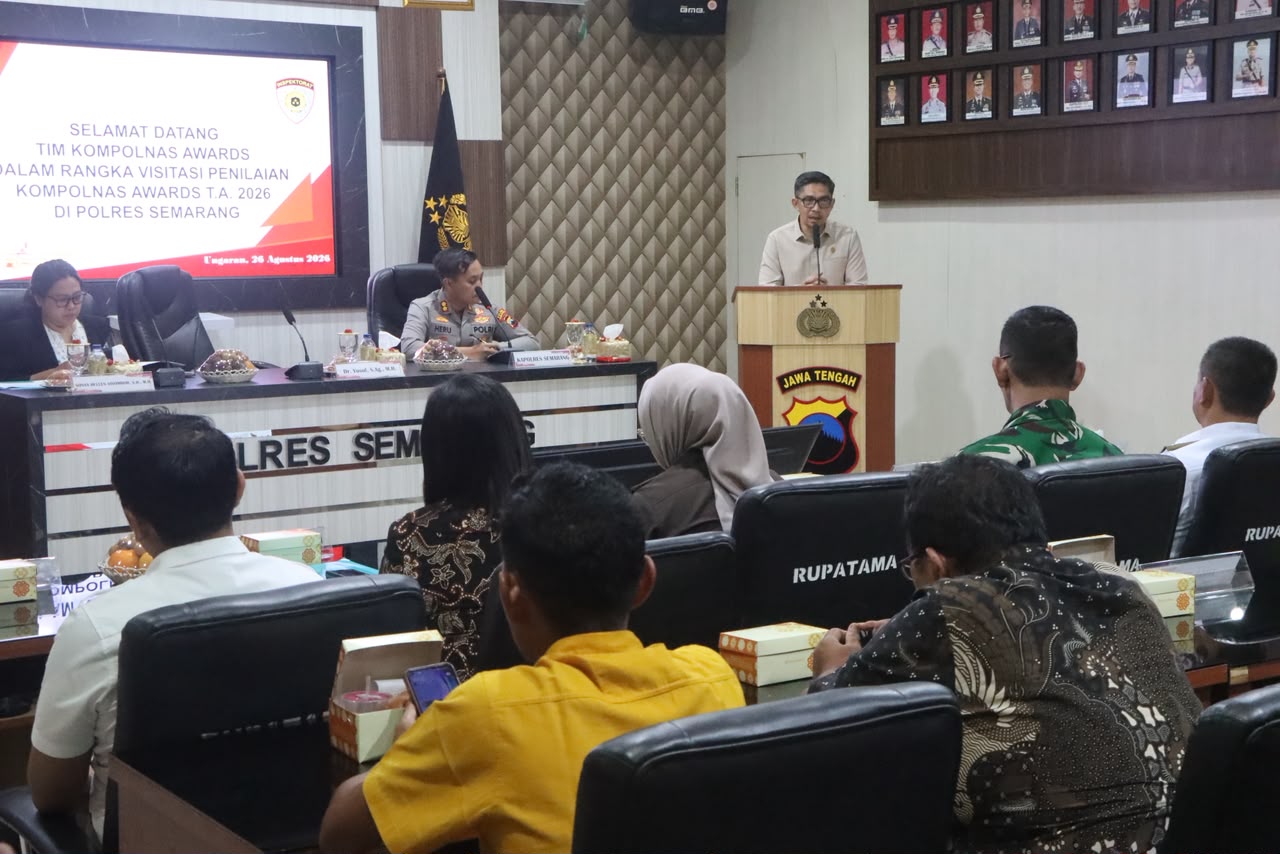
SEMARANG, JAWA TENGAH – Komisi Kepolisian Nasional (Kompolnas) melaksanakan visitasi Kompolnas Awards 2026 di wilayah hukum Polda Jawa Tengah, dengan mengunjungi Polrestabes Semarang dan Polres Semarang, Rabu (26/8/2026).
Kegiatan tersebut dipimpin Anggota Kompolnas selaku Ketua Tim Visitasi, Dr. Yusuf, S.Ag., S.H., M.H., bersama Dewan Juri Eksternal Kompolnas Awards 2026, serta jajaran Sekretariat Kompolnas.
Sejumlah program dan inovasi menjadi perhatian dalam visitasi, antara lain aplikasi pelayanan publik LIBAS yang memiliki sejumlah fitur seperti tombol darurat SOS, Polisi RW, Tim Elang, dan Patroli Perintis Presisi. Polrestabes Semarang juga menyediakan fasilitas pelayanan yang ramah bagi penyandang disabilitas, seperti ramp kursi roda, toilet khusus, dan tactile paving.
Selain pelayanan publik, Polrestabes Semarang turut memperkuat dukungan terhadap aktivitas ekonomi melalui penempatan pospol subsektor di Kawasan Industri Candi serta patroli keamanan untuk mencegah premanisme, pungutan liar, dan gangguan kamtibmas di kawasan industri.
Dalam aspek lingkungan, Polrestabes Semarang menerapkan konsep green office, antara lain melalui pemanfaatan aplikasi ASTINA untuk mendukung paperless investigation, pengelolaan sampah, serta efisiensi penggunaan energi listrik.
Penguatan kemitraan juga dilakukan dengan berbagai pihak, mulai dari TNI dan Satpol PP, Bapas, Dinsos, Mall Pelayanan Publik Kota Semarang, KPU, Pengadilan Agama, UNNES, Bulog, Dinas Pertanian, PT Pos Indonesia hingga pelaku usaha. Kemitraan tersebut diarahkan untuk mendukung pelayanan masyarakat, penanganan perkara anak, ketahanan pangan, serta pemeliharaan keamanan.
Sementara di Polres Semarang, Tim Visitasi diterima Kapolres Semarang AKBP Heru Dwi Purnomo, S.I.K., M.Si., bersama unsur Forkopimda, stakeholder, tokoh masyarakat, tokoh agama, tokoh adat, dan pegiat seni budaya.
Dalam visitasi tersebut, salah satu yang menjadi perhatian adalah nominasi kategori perseorangan kelompok Prosperity atas nama Briptu Adi Qori Kurniawan. Personel Polri tersebut aktif mengembangkan seni dan budaya melalui Sanggar Sarasvati Widiasmara Art di Kabupaten Semarang dan Wonosobo.
Kegiatan sanggar tidak hanya menjadi ruang belajar seni tari, drama, dan musik, tetapi juga menjadi sarana pemberdayaan masyarakat, pengembangan potensi generasi muda, pendampingan anak-anak termasuk penyandang disabilitas, serta upaya mencegah kenakalan remaja dan kriminalitas melalui kegiatan positif.
Ketua Tim Visitasi Kompolnas Awards 2026, Dr. Yusuf, mengatakan visitasi dilakukan untuk melihat secara langsung berbagai inovasi dan praktik baik yang dijalankan jajaran kepolisian dalam memberikan pelayanan kepada masyarakat.
“Visitasi ini kami lakukan untuk melihat secara langsung bagaimana program dan inovasi yang dijalankan benar-benar memberikan manfaat bagi masyarakat. Tidak hanya dari sisi administrasi, tetapi juga bagaimana pelayanan, kemitraan, dan pemberdayaan masyarakat itu dilaksanakan di lapangan,” ujar Dr. Yusuf dalam keterangannya, Kamis (27/8/2026).
Menurutnya, berbagai inovasi yang ditemukan dalam visitasi menunjukkan bahwa pelayanan kepolisian dapat dikembangkan sesuai dengan karakteristik dan kebutuhan masyarakat di masing-masing wilayah.
“Yang kami lihat di Semarang cukup beragam. Ada inovasi pelayanan publik, perhatian terhadap kelompok disabilitas, dukungan terhadap kawasan ekonomi, kepedulian terhadap lingkungan, penguatan kemitraan, hingga pemberdayaan masyarakat melalui seni dan budaya. Ini menjadi bagian yang penting dalam membangun kehadiran Polri yang semakin dekat dengan masyarakat,” katanya.
Dr. Yusuf berharap berbagai praktik baik yang ditemukan selama visitasi dapat terus dikembangkan dan menjadi inspirasi bagi satuan kerja lainnya.
“Kompolnas Awards bukan hanya tentang penghargaan, tetapi juga bagaimana praktik-praktik baik yang sudah dilakukan dapat terus dipertahankan, dikembangkan, dan memberikan manfaat yang lebih luas bagi masyarakat,” tuturnya.
Pelaksanaan visitasi tersebut menjadi bagian dari rangkaian Kompolnas Awards 2026 untuk melihat secara langsung kinerja, inovasi, pelayanan, kemitraan, serta kontribusi satuan kerja dan personel Polri dalam menjalankan tugas dan memberikan pelayanan kepada masyarakat.
Berita
Polda Metro Jaya Siapkan Layanan Kesehatan bagi Masyarakat dalam Kegiatan Penyampaian Aspirasi
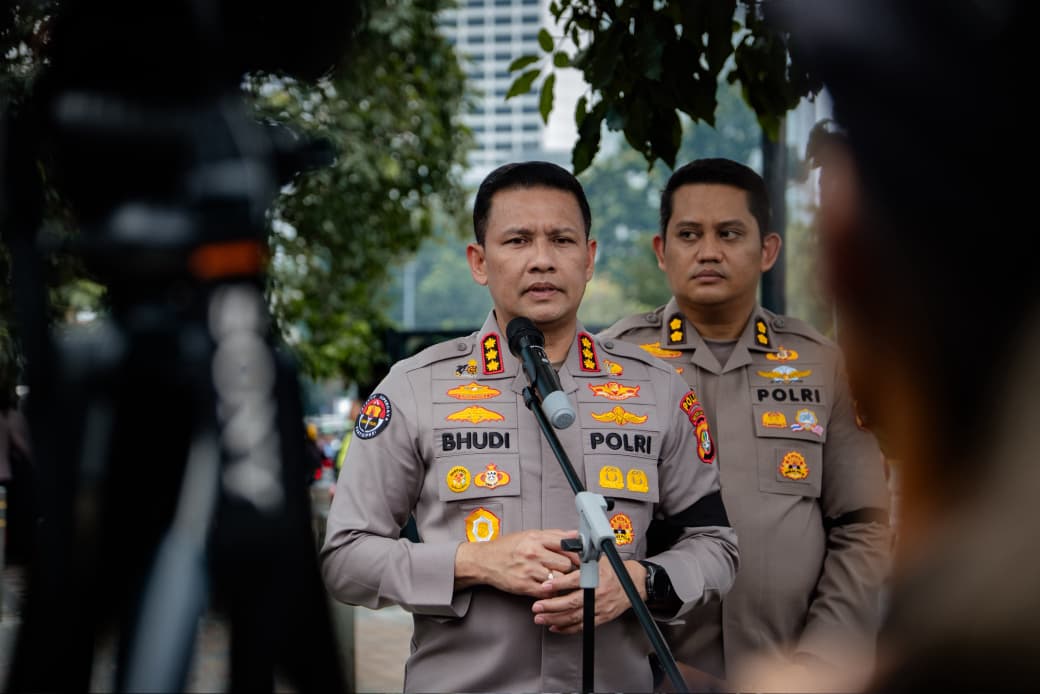
JAKARTA – Polda Metro Jaya menyiapkan layanan kesehatan bagi masyarakat dalam rangka kegiatan penyampaian aspirasi yang berlangsung di Jakarta, Kamis (27/8/2026). Personel Bidang Kedokteran dan Kesehatan (Dokkes) disiagakan untuk memberikan pertolongan dan pelayanan medis apabila dibutuhkan.
Kesiapan tersebut merupakan bagian dari pelayanan Polri kepada masyarakat untuk memastikan kegiatan penyampaian aspirasi dapat berlangsung dengan tertib, aman, dan tetap mengedepankan aspek kemanusiaan. Personel Dokkes disiapkan untuk memberikan pertolongan pertama serta layanan kesehatan kepada masyarakat maupun personel yang membutuhkan.
Selain menyiagakan personel medis, Polda Metro Jaya juga memastikan akses terhadap fasilitas kesehatan lanjutan apabila terdapat kondisi yang membutuhkan penanganan lebih lanjut. Langkah tersebut dilakukan sebagai bagian dari kesiapsiagaan pelayanan kesehatan selama kegiatan berlangsung.
Kabid Humas Polda Metro Jaya, Kombes Pol. Budi Hermanto mengatakan kesiapan layanan kesehatan merupakan bentuk kehadiran Polri dalam memberikan pelayanan kepada masyarakat.
“Polri hadir untuk memberikan pelayanan kepada masyarakat. Karena itu, personel Dokkes kami siapkan untuk memberikan pertolongan apabila ada masyarakat yang membutuhkan layanan kesehatan. Jika diperlukan penanganan lebih lanjut, kami juga memastikan akses terhadap fasilitas kesehatan dapat berjalan dengan baik,” ujarnya dalam keterangannya di Jakarta, Kamis (27/8/2026).
Menurutnya, penyampaian aspirasi merupakan bagian dari ruang demokrasi yang harus dapat berlangsung secara tertib. Polri juga berupaya memastikan seluruh masyarakat tetap dapat menjalankan aktivitasnya dengan aman dan nyaman.
“Yang kami kedepankan adalah pelayanan. Kami ingin memastikan masyarakat yang hadir maupun masyarakat yang beraktivitas di sekitar lokasi tetap mendapatkan pelayanan dan merasa aman. Termasuk apabila ada yang membutuhkan pertolongan kesehatan, personel Dokkes siap memberikan bantuan,” katanya.
Polri mengajak seluruh masyarakat yang mengikuti maupun berada di sekitar kegiatan penyampaian aspirasi untuk bersama-sama menjaga ketertiban, memperhatikan kondisi kesehatan, serta saling menghormati agar seluruh aktivitas masyarakat dapat berjalan dengan baik.
“Harapan kami seluruh kegiatan dapat berlangsung tertib dan damai. Polri akan terus hadir memberikan pelayanan kepada masyarakat dan memastikan kebutuhan masyarakat dapat direspons dengan baik, termasuk dalam hal pelayanan kesehatan,” tutupnya.
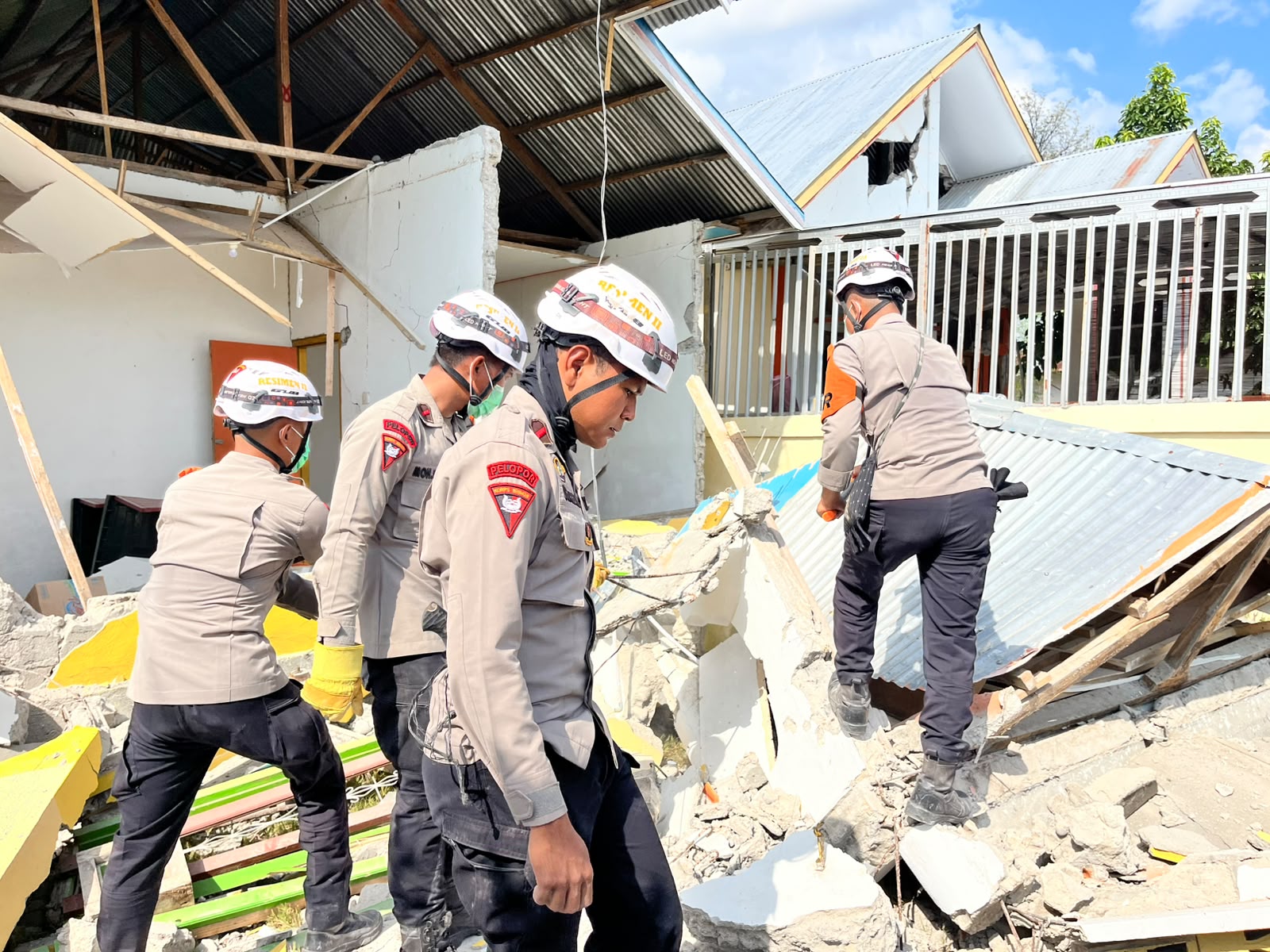
MANGGARAI, NTT — Upaya memenuhi kebutuhan dasar warga terdampak gempa bumi di Kabupaten Manggarai, Nusa Tenggara Timur, terus dilakukan Korps Brimob Polri. Salah satunya melalui sinergi dengan PT Pertamina dalam rencana pengeboran sumber air bersih bagi masyarakat yang masih berada di lokasi pengungsian.
Koordinasi tersebut dilaksanakan oleh Dansatgas SAR Korps Brimob Polri Kombes Pol Hasripuddin, Kamis (27/8/2026) pukul 10.20 WITA. Kegiatan berlangsung di Posko Brimob Polsek Reo dan Posko Pengungsi Korban Bencana Gempa Bumi di Jalan Barangkolong RT 03/04, Kelurahan Mata Air, Kecamatan Reo, Kabupaten Manggarai.
Dalam koordinasi tersebut, Brimob bersama PT Pertamina membahas persiapan teknis pengeboran air bersih di sekitar lokasi posko. Langkah ini dilakukan sebagai bentuk respons terhadap kebutuhan air bersih yang menjadi salah satu kebutuhan penting warga selama berada di pengungsian.
Kombes Pol Hasripuddin mengatakan, pemenuhan kebutuhan dasar masyarakat menjadi bagian penting dalam penanganan pascabencana. Karena itu, pihaknya terus membangun koordinasi dengan berbagai pihak agar bantuan yang diberikan dapat memberikan manfaat nyata bagi warga.
“Kami terus berupaya memenuhi kebutuhan dasar warga terdampak, salah satunya ketersediaan air bersih. Koordinasi dengan berbagai pihak dilakukan agar kebutuhan tersebut dapat segera terpenuhi,” ujar Kombes Hasripuddin.
Rencana pengeboran tersebut diharapkan dapat menambah sumber air bersih yang dapat dimanfaatkan warga di sekitar posko pengungsian. Selain membantu memenuhi kebutuhan sehari-hari, ketersediaan air bersih juga menjadi bagian penting dalam menjaga kebersihan dan kesehatan masyarakat selama masa pemulihan.
Sinergi Brimob dan Pertamina ini sekaligus menunjukkan pentingnya kolaborasi lintas pihak dalam penanganan dampak bencana. Korps Brimob Polri akan terus mendukung masyarakat terdampak melalui pengerahan personel, pelayanan kemanusiaan, serta pemenuhan kebutuhan dasar di wilayah pengungsian.
Melalui langkah tersebut, kehadiran personel Brimob di tengah masyarakat tidak hanya berfokus pada penanganan kondisi darurat, tetapi juga ikut mendorong terpenuhinya kebutuhan warga menuju proses pemulihan pascabencana.
-
 Berita3 tahun ago
Anggota Polsek Pohjentrek Rutin Patroli SPBU Serta Memberikan Himbauan ke Pembeli dan Petugas
-
 Berita4 tahun ago
Ajak Anggotanya Tingkatkan Harkamtibmas, Kapolsek Purworejo Gelar Coffe Morning
-
 Berita4 tahun ago
Langkah Kompolnas dan Divisi Humas Polri Bangun Sinergitas Berikan Pelayanan Terbaik Kepada Masyarakat
-
 Berita3 tahun ago
Jelang Libur Nataru, Polres Probolinggo Pastikan Keamanan dan Kenyamanan Obyek Wisata
-
 Berita2 tahun ago
Bhabinkamtibmas Polsek Purworejo Lakukan Pengamanan Jalan Santai Peringatan HUT Ke-79 Republik Indonesia
-
 Berita3 tahun ago
Polsek Grati Patroli Antisipasi Kamtibmas Jelang Idul Fitri
-
 Berita3 tahun ago
Dengan Sinergitas, Polres Pasuruan Kota Sukseskan Pengamanan Tour de Pasuruan dan Suropati Race IV 2023
-
 Berita3 tahun ago
Bhabinkamtibmas Polsek Grati Dialogis Dengan Masyarakat Desa Binaan Ciptakan Keamanan