
Berita
Polri Backup Proses Penegakan Hukum Terhadap Lukas Enembe, Jaga Papua Tetap Kondusif


Lukas Enembe Ditangkap, Polri Minta Masyarakat Jaga Papua Tetap Kondusif
Kepolisian Republik Indonesia (Polri) memastikan akan membantu proses hukum yang sedang dilakukan Komisi Pemberantasan Korupsi (KPK) terhadap Gubernur Papua, Lukas Enembe. Diketahui, Lukas Enembe ditangkap KPK di salah satu tempat makan guna diproses dalam kasus dugaan gratifikasi pada Selasa (10/1/2023).
Kepala Divisi Humas Polri Irjen Dedi Prasetyo mengatakan, Polri melalui Polda Papua memberikan backup penuh KPK mulai dari penangkapan hingga Lukas Enembe tiba di Jakarta.
“Polri melalui Polda Papua sudah berkoordinasi dari awal dan memberikan backup penuh terhadap penangkapan sampai keberangkatan ke Bandara dan tetap menjaga keamanan di tanah Papua. Sementara terkait dengan keberangkatan Bapak Lukas Enembe kita membackup dan mendampingi sampai di Jakarta untuk dilakukan pengecekan kesehatan,” kata Dedi dalam keterangan tertulisnya, Rabu (11/1/2023).
Selain memberikan bantuan pengamanan, Dedi menuturkan Polda Papua tetap menjaga keamanan Bumi Cendrawasih. Untuk itu, ia meminta masyarakat untuk dapat bersinergi dan bekerjasama untuk menghalau dan memilah kejadian, serta berita yang beredar pasca penangkapan Gubernur Papua Lukas Enembe.
“Jangan terhasut dengan adanya isu-isu kemerdekaan dari kelompok-kelompok yang ingin memecah belah persatuan di tanah Papua,” katanya.
Guna menciptakan kondisi yang kondusif pasca penangkapan Lukas Enembe, Polri menggandeng tokoh adat, tokoh masyarakat dan tokoh agama untuk memberikan edukasi dan pemahaman kepada masyarakat bahwa upaya penangkapan Lukas Enembe murni proses penegakan hukum yang sedang dilakukan KPK.
“Mari kita beri dukungan moril terhadap proses penegakan hukum yang sedang berjalan. Mari kita berhenti seberkan hoax. Kita bangun kerjasama, kita bangun komunikasi untuk membuat Papua ini menjadi lebih baik,” ucapnya.
Lebih lanjut, Dedi mengatakan, Polda Papua juga memberikan imbauan dan penjelasan kepada keluarga Lukas Enembe untuk tak membawa proses penegakan hukum ke isu lain, yang membuat suasana di Papua menjadi tak kondusif.
“Proses hukum jangan kita bawa ke arah lain, mari kita bawa ke KPK untuk menyelesaikan tugasnya. Dan saya yakin dengan tindakan yang sudah kita ambil ini dapat menghilangkan isu-isu yang beredar,” ujarnya.


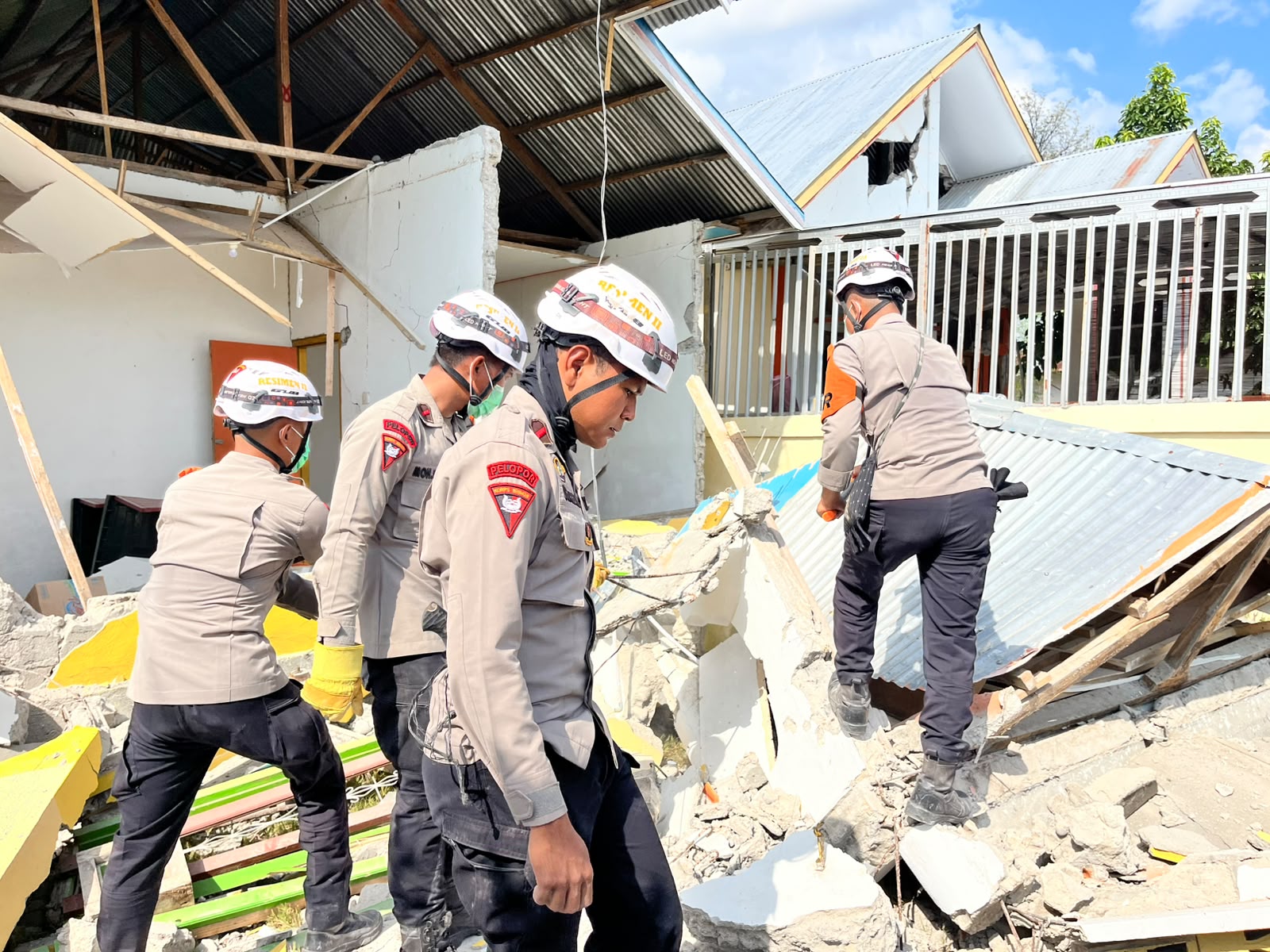
MANGGARAI, NTT — Upaya memenuhi kebutuhan dasar warga terdampak gempa bumi di Kabupaten Manggarai, Nusa Tenggara Timur, terus dilakukan Korps Brimob Polri. Salah satunya melalui sinergi dengan PT Pertamina dalam rencana pengeboran sumber air bersih bagi masyarakat yang masih berada di lokasi pengungsian.
Koordinasi tersebut dilaksanakan oleh Dansatgas SAR Korps Brimob Polri Kombes Pol Hasripuddin, Kamis (27/8/2026) pukul 10.20 WITA. Kegiatan berlangsung di Posko Brimob Polsek Reo dan Posko Pengungsi Korban Bencana Gempa Bumi di Jalan Barangkolong RT 03/04, Kelurahan Mata Air, Kecamatan Reo, Kabupaten Manggarai.
Dalam koordinasi tersebut, Brimob bersama PT Pertamina membahas persiapan teknis pengeboran air bersih di sekitar lokasi posko. Langkah ini dilakukan sebagai bentuk respons terhadap kebutuhan air bersih yang menjadi salah satu kebutuhan penting warga selama berada di pengungsian.
Kombes Pol Hasripuddin mengatakan, pemenuhan kebutuhan dasar masyarakat menjadi bagian penting dalam penanganan pascabencana. Karena itu, pihaknya terus membangun koordinasi dengan berbagai pihak agar bantuan yang diberikan dapat memberikan manfaat nyata bagi warga.
“Kami terus berupaya memenuhi kebutuhan dasar warga terdampak, salah satunya ketersediaan air bersih. Koordinasi dengan berbagai pihak dilakukan agar kebutuhan tersebut dapat segera terpenuhi,” ujar Kombes Hasripuddin.
Rencana pengeboran tersebut diharapkan dapat menambah sumber air bersih yang dapat dimanfaatkan warga di sekitar posko pengungsian. Selain membantu memenuhi kebutuhan sehari-hari, ketersediaan air bersih juga menjadi bagian penting dalam menjaga kebersihan dan kesehatan masyarakat selama masa pemulihan.
Sinergi Brimob dan Pertamina ini sekaligus menunjukkan pentingnya kolaborasi lintas pihak dalam penanganan dampak bencana. Korps Brimob Polri akan terus mendukung masyarakat terdampak melalui pengerahan personel, pelayanan kemanusiaan, serta pemenuhan kebutuhan dasar di wilayah pengungsian.
Melalui langkah tersebut, kehadiran personel Brimob di tengah masyarakat tidak hanya berfokus pada penanganan kondisi darurat, tetapi juga ikut mendorong terpenuhinya kebutuhan warga menuju proses pemulihan pascabencana.
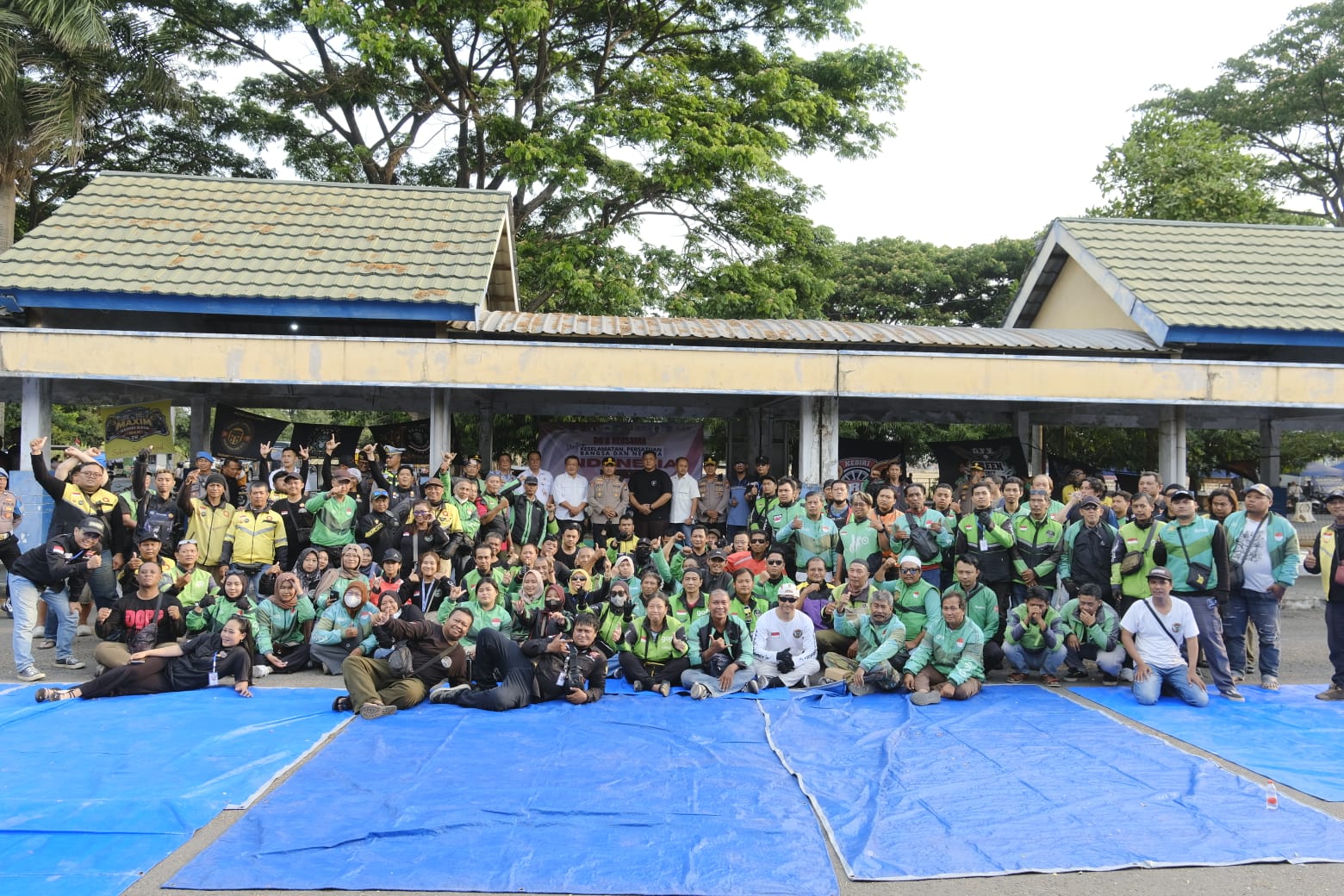
KEDIRI – Polres Kediri Polda Jawa Timur menyatakan komitmennya senantiasa hadir di tengah kegiatan masyarakat untuk memberikan pelayanan demi menjaga stabilitas Kamtibmas.
Hal itu disampaikan oleh Kapolres Kediri, AKBP Muh. Wahyudin Latif saat menghadiri doa bersama Ratusan anggota Gabungan Aksi Roda Dua (GARDA) Kabupaten di Eks Terminal Simpang Lima Gumul (SLG) pada Rabu (26/8/2026).
AKBP Latif juga mengajak seluruh elemen masyarakat untuk memperkuat rasa nasionalisme, optimisme, dan persaudaraan sesama anak bangsa.
Kapolres Kediri menegaskan bahwa menjaga persatuan adalah fondasi mutlak demi keberlanjutan bangsa.
Ia meminta publik tidak mudah terpengaruh oleh berbagai opini yang mencoba memecah belah kesatuan.
“Mari kita perkuat rasa nasionalisme dan persaudaraan demi kemajuan dan kesejahteraan bagi kehidupan bangsa Indonesia,” ujar AKBP Latif.
Ia menekankan, penguatan persatuan dinilai menjadi kunci utama agar energi bangsa tidak habis untuk berkonflik, melainkan fokus pada pembangunan dan kemajuan nasional.
“Melalui sinergi yang kuat antara Polri dan warga, diharapkan kedewasaan berdemokrasi di Indonesia dapat terus tumbuh di atas fondasi persatuan yang kokoh,” pungkasnya.
Seperti diketahui, sekitar 500 pengemudi ojek online (ojol) se-Kediri Raya menggelar doa bersama untuk keselamatan bangsa dan negara di kawasan di Eks Terminal Simpang Lima Gumul (SLG) pada Rabu (26/8/2026) sore.
Para pengemudi yang tergabung dalam Gabungan Aksi Roda Dua (Garda) Kediri Raya tersebut datang dari berbagai aplikator, mulai Gojek, Grab, Maxim, Shopee hingga aplikator lainnya.
Acara inti yang diisi dengan doa lintas agama ini dilanjutkan dengan pernyataan sikap dan komitmen bersama.
Suasana kebersamaan terasa kental berkat keterlibatan berbagai unsur, mulai dari anggota GARDA, pemerintah daerah dan kepolisian.
Selain doa bersama, kegiatan tersebut menjadi momentum bagi pengemudi ojol menyampaikan sejumlah aspirasi kepada pemerintah.
Salah satu tuntutan yang disoroti adalah penerbitan Perpres Nomor 27 yang diharapkan memberikan kepastian perlindungan dan kesejahteraan bagi pengemudi ojol.
Kapolres Kediri mengapresiasi kegiatan ini dan menilai pesan persatuan yang dibawa harus dijaga dengan baik. (*)
-
 Berita3 tahun ago
Anggota Polsek Pohjentrek Rutin Patroli SPBU Serta Memberikan Himbauan ke Pembeli dan Petugas
-
 Berita4 tahun ago
Ajak Anggotanya Tingkatkan Harkamtibmas, Kapolsek Purworejo Gelar Coffe Morning
-
 Berita4 tahun ago
Langkah Kompolnas dan Divisi Humas Polri Bangun Sinergitas Berikan Pelayanan Terbaik Kepada Masyarakat
-
 Berita3 tahun ago
Jelang Libur Nataru, Polres Probolinggo Pastikan Keamanan dan Kenyamanan Obyek Wisata
-
 Berita2 tahun ago
Bhabinkamtibmas Polsek Purworejo Lakukan Pengamanan Jalan Santai Peringatan HUT Ke-79 Republik Indonesia
-
 Berita3 tahun ago
Polsek Grati Patroli Antisipasi Kamtibmas Jelang Idul Fitri
-
 Berita3 tahun ago
Dengan Sinergitas, Polres Pasuruan Kota Sukseskan Pengamanan Tour de Pasuruan dan Suropati Race IV 2023
-
 Berita3 tahun ago
Bhabinkamtibmas Polsek Grati Dialogis Dengan Masyarakat Desa Binaan Ciptakan Keamanan