
Berita
Polres Gresik Ungkap Kasus Dukun Palsu Pengganda Uang, 2 Tersangka Diamankan


GRESIK – Polres Gresik yang merupakan jajaran Polda Jatim ini akhirnya berhasil membongkar praktek aksi dukun palsu berinisial MY yang mengaku bisa menggandakan uang.
MY sang dukun palsu warga asal Menganti, Gresik, Jawa Timur yang mengontrak rumah di Perumahan Grand Verona Gresik sebagai lokasi praktik itu diamankan oleh Polisi untuk mempertanggung jawabkan perbuatannya yang telah meresahkan masyarakat.
Kapolres Gresik AKBP Mochamad Nur Aziz mengatakan banyak korban yang dirugikan oleh praktek perdukunan oleh tersangka MY ini.
“Korban ada yang dari Kecamatan Menganti, Kebomas dan daerah lainnya. Total seluruh kerugian masih dalam hitungan, karena kemungkinan ada korban lain yang belum melapor. Saat ini masih kami kembangkan,” kata AKBP Mochamad Nur Aziz saat menggelar konferensi pers, Senin (16/1/2023).
AKBP Mochamad Nur Aziz menjelaskan, untuk meyakinkan korbannya, tersangka melakukan ritual mistis menggunakan peralatan atau media seperti keris, patung-patung kecil, dan lilin.
“Bahkan, tersangka juga menggunakan darah manusia dalam ritual penggandaan uang tersebut. Tersangka menjalankan praktek penipuan ini sudah satu tahun,” ujar AKBP Mochamad Nur Aziz.
Kecurigaan salah satu korban mulai muncul pada bulan Juni hingga Agustus 2022 tahun lalu. Hal itu setelah janji tersangka untuk melipatgandakan uang tidak bisa terpenuhi.
AKBP Mochamad Nur Aziz juga menjelaskan, saat itu salah satu korban menyerahkan uang asli kepada tersangka dua kali. Pertama, senilai Rp 65 juta dan yang kedua, Rp 500 juta. Sedangkan janji tersangka bisa menggandakan menjadi Rp 3,9 miliar.
“Tetapi pada bulan September 2022, tersangka hanya mengembalikan uang sebesar Rp 170 juta. Kemudian, setelah korban menanyakan kapan sisa uangnya dikembalikan, tersangka hanya memberikan alasan menunggu petunjuk dan waktu kapan uang tersebut akan diberikan,”terang AKBP Mochamad Nur Aziz.
Atas kejadian tersebut, korban mengalami kerugian sebesar Rp 395 juta. Karena merasa dipermainkan dan ditipu, korban lalu melapor ke Polres Gresik.
Selain menangkap tersangka MY, Polisi juga mengamankan pelaku lain berinisial MI (46), warga Pangkah Kulon, Kecamatan Ujungpangkah, Gresik.
AKBP Mochamad Nur Aziz menyebut,peran tersangka MI sebagai pemasok darah berlabel PMI untuk mendukung aksi tersangka M. Yanto.
“Kami temukan juga di rumah praktek tersangka MY, 23 kantong darah yang didapatkan secara ilegal. Dan, itu sudah expired,” tambah AKBP Mochamad Nur Aziz
Sementara itu, Kasat Reskrim Polres Gresik, Iptu Aldhino Prima Wirdhan menambahkan, tersangka MY dijerat sesuai Pasal 378 KUHP.
Ancaman hukumannya, maksimal 4 tahun penjara. Sedangkan MY dikenai Pasal 195 Undang-undang Republik Indonesia nomor 36 Tahun 2009 tentang Kesehatan.
Dalam kasus ini, polisi menyita 1 unit handphone, 6 Keris, 2 bal uang mainan pecahan 100 ribu, 2 kardus air mineral berisi uang mainan. 1 blangkon, 7 dupa, 1 kotak berisi patung bayi, 2 kotak berwama hitam berisi patung Dewi Kwan In dan 18 ampul darah golongan darah 0+
“Yang kami dapat info dari PMI darah tersebut sudah expired. Yang pasti didapatkan dari luar Gresik, dan kami sudah kantongi nama-nama yang menjual darah ke tersangka MI,”pungkas Aldhino. (*)


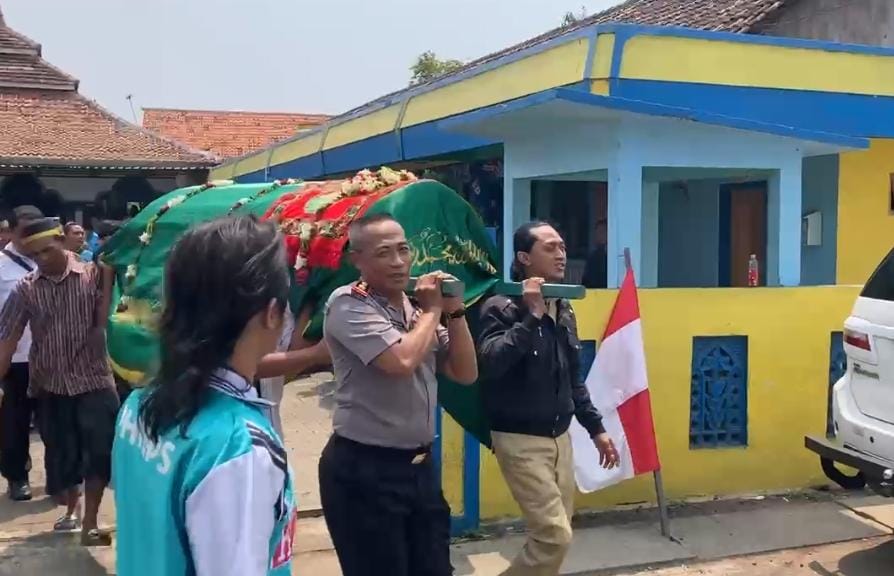
Polresta Pasuruan – Di tengah kesibukan tugas sebagai Kapolsek, Kompol Hudi Supriyanto menunjukkan sisi humanisnya dengan terlibat langsung dalam prosesi pemakaman salah satu warganya.
Momen ini terjadi pada Senin, 31 Agustus 2025, ketika Kompol Hudi terlihat membopong keranda jenazah seorang warga yang meninggal dunia di di kediaman rumah duka Kel Bakalan Kec Bugul Kidul Kota Pasuruan
Jenazah yang diantar menuju peristirahatan terakhir tersebut adalah istri dari Bapak Ilham seorang tokoh masyarakat Sekaligus Salah satu Pegawai Kesbangpol Kota Pasuruan Kota
Almarhumah diketahui meninggal dunia menderita sakit, dan rencananya akan dimakamkan di Pemakakaman Umum Kel Bakalan Kec Bugul Kidul Kota Pasuruan
Dalam suasana duka tersebut, sejumlah personel Polsek Bugul Kidul ikut hadir untuk takziah dan memberikan penghormatan terakhir.
Namun yang membuat suasana semakin mengharukan adalah ketika Kapolsek Kompol Hudi Supriyanto tak hanya hadir sebagai atasan dan tokoh aparat, tetapi juga menunjukkan kepeduliannya dengan membantu mengangkat keranda jenazah.
Tanpa ragu dan dengan penuh keikhlasan, Kompol Hudi turut serta memanggul keranda bersama warga lainnya, yang akan membawa ke tempat peristirahatan terakhir
“Saya merasa ini adalah bentuk kepedulian dan tanggung jawab sebagai sesama manusia. Kita harus hadir tidak hanya dalam tugas formal, tetapi juga di momen-momen seperti ini, ketika warga kita sedang berduka. Ini juga cara kami mempererat hubungan antara kepolisian dan masyarakat sebagai ungkapan rasa kepedulian ,” ujar Kompol Hudi Supriyanto.
Kehadiran Kompol Hudi dan anggotanya di acara takziah ini tidak hanya menunjukkan sisi profesionalisme dalam tugas kepolisian, tetapi juga sisi empati yang mendalam terhadap warga di lingkungan tempatnya bertugas.
Baginya, menjalankan tugas sebagai Kapolsek bukan hanya tentang menjaga keamanan, tetapi juga tentang peduli terhadap kondisi sosial dan kehidupan sehari-hari warganya.
Aksi membopong keranda ini menjadi bukti nyata bahwa sosok polisi bisa hadir sebagai bagian dari masyarakat, bukan hanya dalam situasi formalitas tugas, tetapi juga dalam kondisi kemanusiaan
Bagi keluarga almarhumah, khususnya Bapak Ilham, kehadiran Kapolsek dan anggotanya membawa rasa kedekatan yang lebih mendalam
Mereka merasa didukung tidak hanya oleh keluarga dan kerabat, tetapi juga oleh pihak kepolisian yang selalu siap membantu, bahkan dalam kondisi yang penuh duka.
Momen ini juga menjadi pengingat bahwa di balik tugas berat seorang polisi, ada rasa empati yang besar terhadap masyarakat.
-
 Berita3 tahun ago
Anggota Polsek Pohjentrek Rutin Patroli SPBU Serta Memberikan Himbauan ke Pembeli dan Petugas
-
 Berita4 tahun ago
Ajak Anggotanya Tingkatkan Harkamtibmas, Kapolsek Purworejo Gelar Coffe Morning
-
 Berita4 tahun ago
Langkah Kompolnas dan Divisi Humas Polri Bangun Sinergitas Berikan Pelayanan Terbaik Kepada Masyarakat
-
 Berita3 tahun ago
Jelang Libur Nataru, Polres Probolinggo Pastikan Keamanan dan Kenyamanan Obyek Wisata
-
 Berita2 tahun ago
Bhabinkamtibmas Polsek Purworejo Lakukan Pengamanan Jalan Santai Peringatan HUT Ke-79 Republik Indonesia
-
 Berita3 tahun ago
Polsek Grati Patroli Antisipasi Kamtibmas Jelang Idul Fitri
-
 Berita3 tahun ago
Dengan Sinergitas, Polres Pasuruan Kota Sukseskan Pengamanan Tour de Pasuruan dan Suropati Race IV 2023
-
 Berita3 tahun ago
Bhabinkamtibmas Polsek Grati Dialogis Dengan Masyarakat Desa Binaan Ciptakan Keamanan